



AD
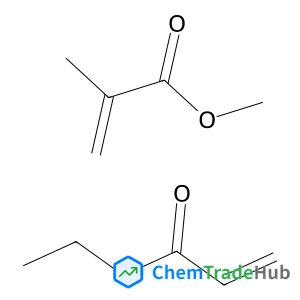
Ethyl acrylate methyl methacrylate(CAS: 9010-88-2)
CAS Number
Related Products
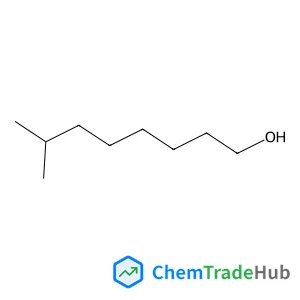
7-Methyl-1-octanol
CAS Number: 27458-94-2
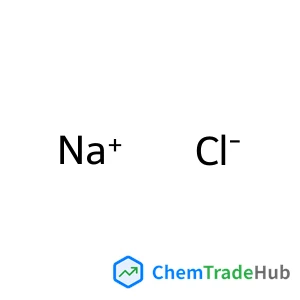
Sodium chloride
CAS Number: 7647-14-5
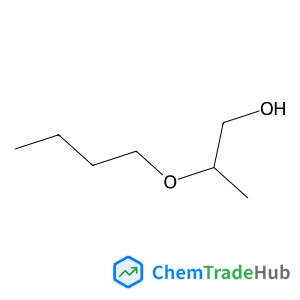
2-Butoxy-1-propanol
CAS Number: 15821-83-7
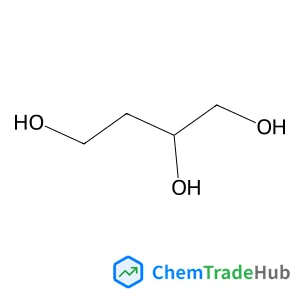
1,2,4-Butanetriol
CAS Number: 3068-00-6
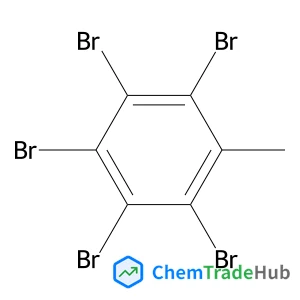
1,2,3,4,5-Pentabromo-6-methylbenzene
CAS Number: 87-83-2
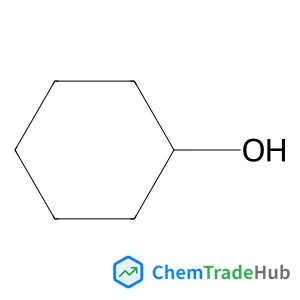
Cyclohexanol
CAS Number: 108-93-0
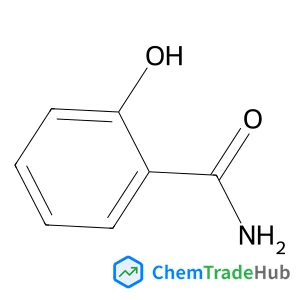
Salicylamide
CAS Number: 65-45-2
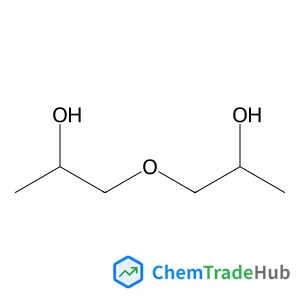
1,1'-Oxydi(2-propanol)
CAS Number: 110-98-5
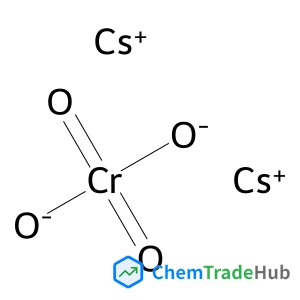
Dicaesium dioxido(dioxo)chromium
CAS Number: 56320-90-2
Other Suppliers for Ethyl acrylate methyl methacrylate







Basic Information
Molecular Formula
C10H16O4
Molecular Weight
200.23 g/mol
Physical Properties
Melting Point
150 °C
Density
1.2 g/mL at 25 °C(lit.)
Chemical Identifiers
SMILES
CCOC(=O)C=C.CC(=C)C(=O)OC
InChIKey
XPNLOZNCOBKRNJ-UHFFFAOYSA-N
Database References
MDL Number
MFCD00134349
FAQ
Ethyl acrylate methyl methacrylate (CAS: 9010-88-2) is regulated under the Globally Harmonized System of Classification and Labeling of Chemicals (GHS) for its flammability, reactivity, and potential health hazards. In the European Union, it is subject to the Registration, Evaluation, Authorization, and Restriction of Chemicals (REACH) regulation. The U.S. Food and Drug Administration (FDA) and Environmental Protection Agency (EPA) also have specific rules and guidelines for its use and disposal, particularly in consumer products and industrial applications.
Ethyl acrylate methyl methacrylate (CAS: 9010-88-2) can be replaced by other acrylate and methacrylate esters, such as butyl acrylate, or by other vinyl monomers like styrene. These alternatives may offer similar properties but with different reactivity and toxicity profiles, making them suitable for various polymerization processes and applications depending on the specific requirements.
The market for Ethyl acrylate methyl methacrylate (CAS: 9010-88-2) is driven by its use in the production of adhesives, coatings, and elastomers. Research trends focus on developing more sustainable and eco-friendly alternatives, as well as exploring its applications in biomedical and pharmaceutical industries. Market demand is expected to grow with increasing demand for environmentally friendly materials and technologies.
Waste containing Ethyl acrylate methyl methacrylate (CAS: 9010-88-2) should be collected and stored in a closed container to prevent spillage. The waste should be disposed of through incineration or professional waste disposal services, as per local environmental regulations. Safe handling procedures include proper ventilation and personal protective equipment (PPE) to minimize exposure. Environmental protection measures should also be implemented to prevent groundwater contamination and ensure compliance with regulatory standards.
Safety Notice
Please verify product specifications and safety data before use. Contact the supplier for detailed safety information.
Always follow proper handling procedures
Contact Information
lilang88@126.com