



AD
Iron(2+) ethanedioate hydrate (1:1:2)(CAS: 6047-25-2)

CAS Number
Related Products
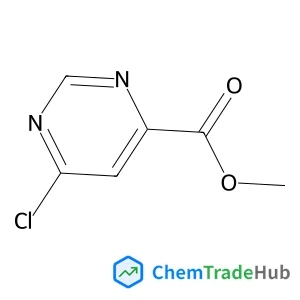
Methyl 6-chloro-4-pyrimidinecarboxylate
CAS Number: 6627-22-1
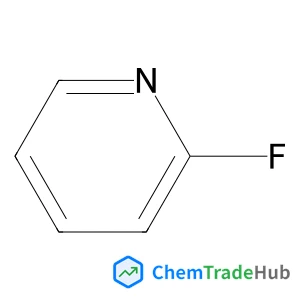
2-Fluoropyridine
CAS Number: 372-48-5
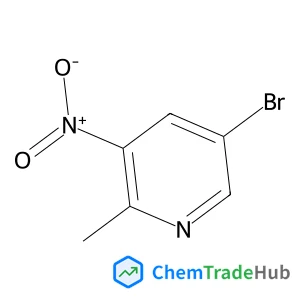
5-Bromo-2-methyl-3-nitropyridine
CAS Number: 911434-05-4
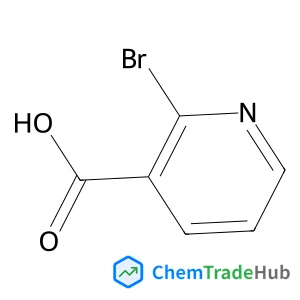
2-Bromonicotinic acid
CAS Number: 35905-85-2

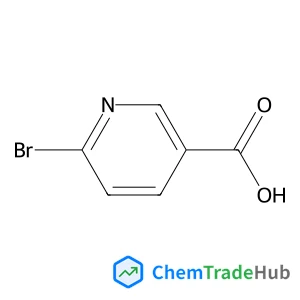
6-Bromonicotinic acid
CAS Number: 6311-35-9

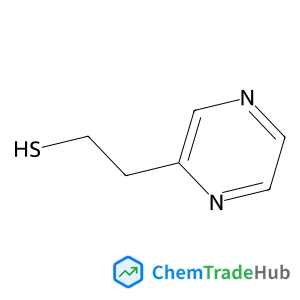
2-(2-Pyrazinyl)ethanethiol
CAS Number: 35250-53-4
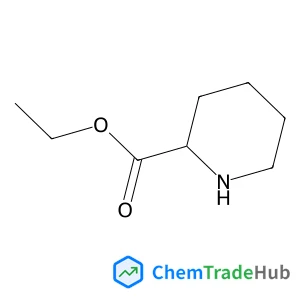
Ethyl 2-piperidinecarboxylate
CAS Number: 15862-72-3
Other Suppliers for Iron(2+) ethanedioate hydrate (1:1:2)




Basic Information
Molecular Formula
C2H4FeO6
Molecular Weight
179.89 g/mol
Physical Properties
Melting Point
210°C
Boiling Point
365.1 °C at 760 mmHg
Density
2.28 g/mL at 25 °C(lit.)
Flash Point
188.8 °C
Water Solubility
Soluble in water. Insoluble in acetic acid.
Chemical Identifiers
SMILES
C(=O)(C(=O)[O-])[O-].O.O.[Fe+2]
InChIKey
NPLZZSLZTJVZSX-UHFFFAOYSA-L
Database References
MDL Number
MFCD00150040
FAQ
Iron(2+) ethanedioate hydrate (CAS: 6047-25-2) is a crystalline compound with a molecular weight of approximately 240.9 g/mol. It has a solubility of about 0.1 g/100 mL in water. The compound exhibits moderate reactivity, particularly in acidic conditions, and is stable in neutral to basic media. It forms a stable hydrate structure with two water molecules per iron(II) ion and ethanedioate (oxalate) ligand.
Iron(2+) ethanedioate hydrate (CAS: 6047-25-2) is typically synthesized by reacting iron(II) sulfate with oxalic acid in a stoichiometric ratio. The reaction is carried out in water, and the resulting mixture is heated to form the hydrate. Commonly, the reaction is monitored by color change and the formation of a precipitate, which is then filtered, washed, and dried to obtain the hydrated compound.
Iron(2+) ethanedioate hydrate (CAS: 6047-25-2) is used in various industries due to its unique chemical properties. It is employed in the pharmaceutical industry as a chelating agent and in the production of iron-based complexes. In polymer production, it serves as a stabilizer. Additionally, it finds application in the development of sensors and semiconductors, where its stability and reactivity make it a valuable component.
When handling Iron(2+) ethanedioate hydrate (CAS: 6047-25-2), it is important to use personal protective equipment (PPE) such as gloves and safety goggles. This compound should be used in a well-ventilated area or a fume hood to minimize inhalation risks. In case of spillage, the area should be immediately cleaned up using appropriate spill management techniques. For detailed safety information, consult the Material Safety Data Sheet (MSDS/SDS).
Safety Notice
Please verify product specifications and safety data before use. Contact the supplier for detailed safety information.
Always follow proper handling procedures
Contact Information
Contact Person
Manager Wang
hope2084@163.com