



AD
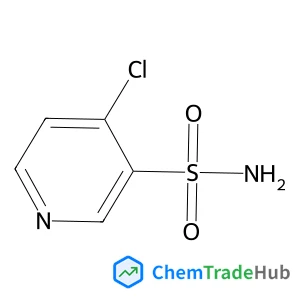
4-Chloro-3-pyridinesulfonamide(CAS: 33263-43-3)
CAS Number
Related Products
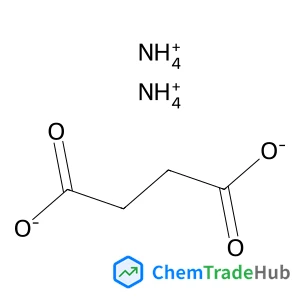
Ammonium succinate
CAS Number: 2226-88-2
![[2,2'-Biquinoline]-4,4'-dicarboxylic acid, disodium salt](https://static.chemtradehub.com/structs/979/979-88-4-02bd.webp)
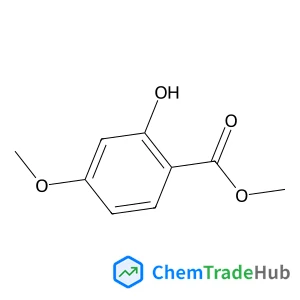
Methyl 2-hydroxy-4-methoxybenzoate
CAS Number: 5446-02-6
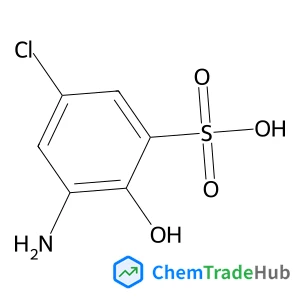
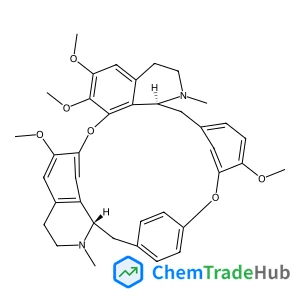

1,1,1-trifluoro-2-iodoethane
CAS Number: 353-83-3
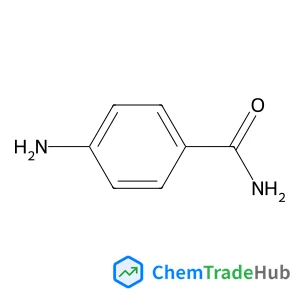
4-Aminobenzamide
CAS Number: 2835-68-9
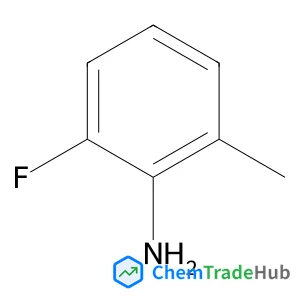
2-Fluoro-6-methylaniline
CAS Number: 443-89-0
Other Suppliers for 4-Chloro-3-pyridinesulfonamide




Basic Information
Molecular Formula
C5H5ClN2O2S
Molecular Weight
192.63 g/mol
Physical Properties
Melting Point
150-155 ºC
Boiling Point
380.4°C at 760 mmHg
Chemical Identifiers
SMILES
NS(=O)(=O)c1cnccc1Cl
InChIKey
DGIINIBYHCODIH-UHFFFAOYSA-N
Database References
MDL Number
MFCD04038136
FAQ
4-Chloro-3-pyridinesulfonamide (CAS: 33263-43-3) is classified under the Globally Harmonized System (GHS) as a hazardous chemical with specific health and environmental hazards. In the European Union, it is subject to REACH regulations, which require manufacturers and importers to register the substance and assess its potential risks. Additionally, the FDA and EPA regulate its use and disposal in the United States, ensuring it meets safety and environmental standards.
While 4-Chloro-3-pyridinesulfonamide (CAS: 33263-43-3) is a specific reagent with distinct properties, alternatives such as 3-chloro-4-pyridinesulfonamide and other sulfonamides can be used in some synthetic processes. These alternatives may offer similar functional groups but with varying reactivity and solubility, making them suitable for specific applications.
The research trend for 4-Chloro-3-pyridinesulfonamide (CAS: 33263-43-3) is primarily focused on its applications in pharmaceuticals and agrochemicals due to its unique chemical structure. Market trends indicate increasing demand in drug discovery and synthesis, particularly for compounds targeting specific biological pathways. However, the trend also highlights the need for safer and more sustainable alternatives in light of regulatory pressures.
Waste containing 4-Chloro-3-pyridinesulfonamide (CAS: 33263-43-3) should be collected and disposed of according to strict waste management protocols. This includes neutralization to reduce the hazardous nature of the waste, followed by incineration or professional waste disposal services. Proper environmental protection measures, such as containment and spill prevention, are essential to prevent contamination of the environment and ensure worker safety during handling and disposal.
Safety Notice
Please verify product specifications and safety data before use. Contact the supplier for detailed safety information.
Always follow proper handling procedures

Contact Information
Contact Person
Manager Liu
xiyashiji@163.com
Mobile
13395390286
Visit Website
https://www.xiyashiji.comAddress
Linshu County Economic and Technological Development Zone Chemical Park