



AD
3-Pyridinesulfonyl chloride hydrochloride (1:1)(CAS: 42899-76-3)
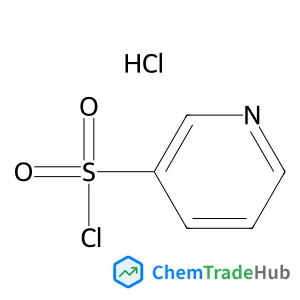
CAS Number
Related Products
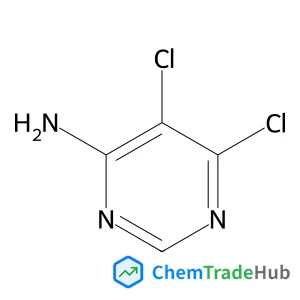
5,6-dichloropyrimidin-4-amine
CAS Number: 310400-38-5
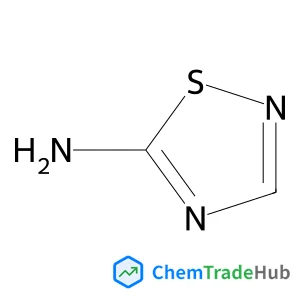
1,2,4-Thiadiazol-5-amine
CAS Number: 7552-07-0
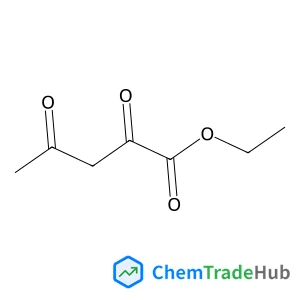
Ethyl 2,4-dioxopentanoate
CAS Number: 615-79-2
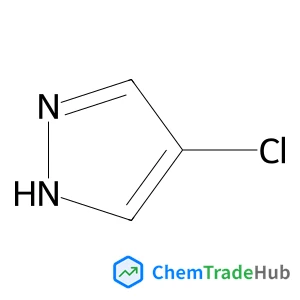
4-Chloro-1H-pyrazole
CAS Number: 15878-00-9
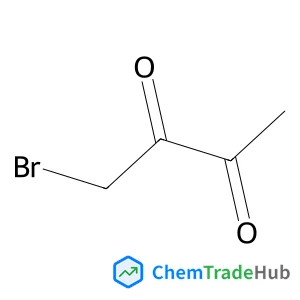
1-Bromo-2,3-butanedione
CAS Number: 5308-51-0
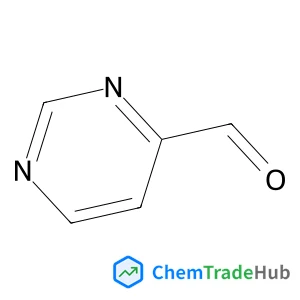
4-Pyrimidinecarbaldehyde
CAS Number: 2435-50-9
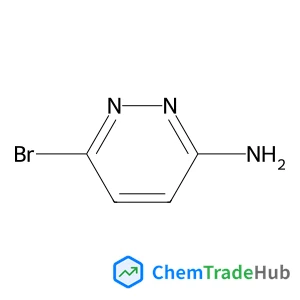
3-Amino-6-bromopyridazine
CAS Number: 88497-27-2
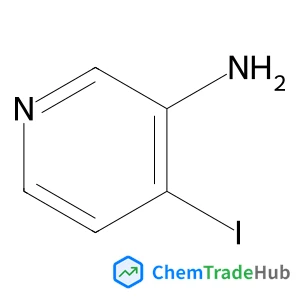
4-Iodo-3-pyridinamine
CAS Number: 105752-11-2
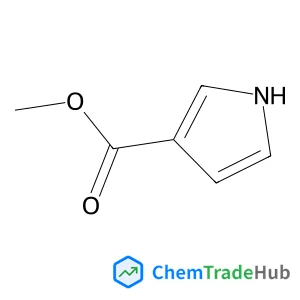
Methyl 1H-pyrrole-3-carboxylate
CAS Number: 2703-17-5
Other Suppliers for 3-Pyridinesulfonyl chloride hydrochloride (1:1)





Basic Information
Molecular Formula
C5H5Cl2NO2S
Molecular Weight
214.07 g/mol
Physical State
White to Yellow Solid
Physical Properties
Melting Point
120-126
Boiling Point
352.7°C at 760 mmHg
Flash Point
>110℃
Water Solubility
Reacts with water.
Chemical Identifiers
SMILES
C1=CC(=CN=C1)S(=O)(=O)Cl.Cl
InChIKey
VIVPWOMJFLICOZ-UHFFFAOYSA-N
Database References
MDL Number
MFCD04035552
FAQ
3-Pyridinesulfonyl chloride hydrochloride (CAS: 42899-76-3) should comply with GHS classification for handling, storage, and transport. Under REACH regulations, manufacturers and importers must register and provide Material Safety Data Sheets (MSDS). FDA and EPA may also have specific labeling and environmental handling requirements for this compound.
Yes, there are alternatives such as 2-Pyridinesulfonyl chloride or 4-Pyridinesulfonyl chloride. These can be used in similar synthetic processes. Other substitutes include sulfamoyl chlorides or other sulfonyl chlorides, which may offer different reactivity profiles depending on the specific application.
The market for 3-Pyridinesulfonyl chloride hydrochloride (CAS: 42899-76-3) is growing due to its applications in pharmaceuticals and agrochemicals. Research trends focus on its use in synthesizing novel drugs and pesticides. Emerging studies are exploring its potential in catalysis and as a precursor for other chemical intermediates.
Waste containing 3-Pyridinesulfonyl chloride hydrochloride (CAS: 42899-76-3) should be collected and disposed of by a licensed waste management company. Incineration is a common method for disposal, ensuring complete destruction of the compound. Environmental precautions include preventing release into water systems and complying with local and national regulations for hazardous waste management.
Safety Notice
Please verify product specifications and safety data before use. Contact the supplier for detailed safety information.
Always follow proper handling procedures