



AD
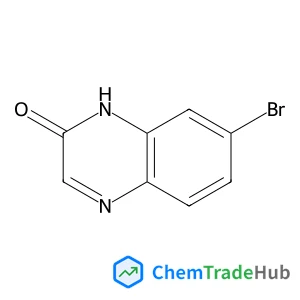
7-Bromo-2(1H)-quinoxalinone(CAS: 82031-32-1)
CAS Number
Related Products
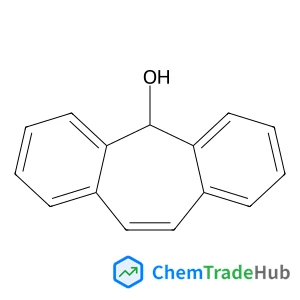
Dibenzosuberenol
CAS Number: 10354-00-4
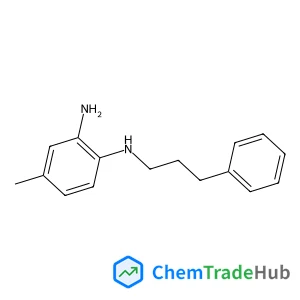
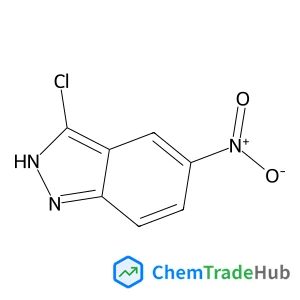
3-Chloro-5-nitro-1H-indazole
CAS Number: 4812-45-7
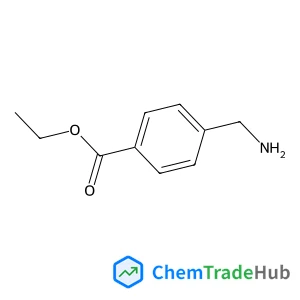
Ethyl 4-(aminomethyl)benzoate
CAS Number: 366-84-7
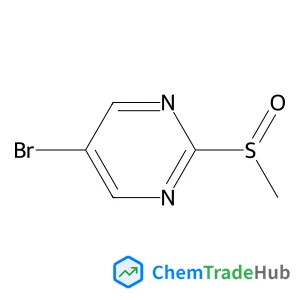
5-Bromo-2-(methylsulfinyl)pyrimidine
CAS Number: 79685-17-9
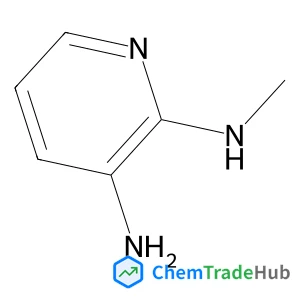
N2-Methylpyridine-2,3-diamine
CAS Number: 5028-20-6
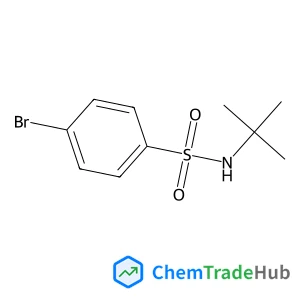
N-t-Butyl 4-bromobenzenesulfonamide
CAS Number: 93281-65-3
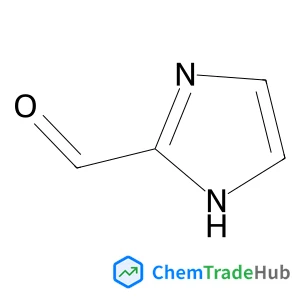
1H-Imidazole-2-carbaldehyde
CAS Number: 10111-08-7
Other Suppliers for 7-Bromo-2(1H)-quinoxalinone


Basic Information
Molecular Formula
C8H5BrN2O
Molecular Weight
225.05 g/mol
Physical State
White to Yellow Solid
Chemical Identifiers
SMILES
C1=CC2=C(C=C1Br)NC(=O)C=N2
InChIKey
PXVQWJPOMIRXQL-UHFFFAOYSA-N
Database References
MDL Number
MFCD01464325
FAQ
7-Bromo-2(1H)-quinoxalinone (CAS: 82031-32-1) is subject to various regulatory guidelines. Under the Globally Harmonized System of Classification and Labelling of Chemicals (GHS), it may be classified as a hazardous chemical based on its physical and health hazards. Additionally, it falls under the European Union's Registration, Evaluation, Authorization, and Restriction of Chemicals (REACH) regulations, which require registration if it meets the tonnage threshold. The U.S. Food and Drug Administration (FDA) and Environmental Protection Agency (EPA) also have specific requirements for the handling and reporting of this compound.
Alternative reagents and compounds can be used in the synthesis of 7-Bromo-2(1H)-quinoxalinone (CAS: 82031-32-1). Common substitutes include bromoacetic acid and quinoxaline, which can be used to produce similar brominated quinoxaline derivatives. Other analogs, such as 2-bromo-1,3-diketone, can also be considered. It's important to evaluate the availability and cost of these alternatives, as well as their reactivity and yield in the synthesis process.
The market for 7-Bromo-2(1H)-quinoxalinone (CAS: 82031-32-1) is primarily driven by its applications in pharmaceuticals and materials science. Recent research trends indicate an increasing interest in the compound for developing new drug candidates and as a precursor in the synthesis of other useful quinoxaline derivatives. The trend is also showing potential in the field of organic electronics and as an intermediate in polymer synthesis. Market demand is expected to grow with advancements in these areas.
Waste containing 7-Bromo-2(1H)-quinoxalinone (CAS: 82031-32-1) should be collected in appropriate containers and stored in a secure, well-ventilated area until disposal. The waste should be neutralized, if necessary, and then incinerated or disposed of through a licensed professional waste disposal service. Environmental protection measures include ensuring that the waste is not released into the environment and that proper safety precautions, such as wearing protective equipment, are followed. Proper labeling and documentation of the waste are also essential.
Safety Notice
Please verify product specifications and safety data before use. Contact the supplier for detailed safety information.
Always follow proper handling procedures
Contact Information
mychess007@163.com