



AD
Dihydro-2,4,6-tris(2-methylpropyl)-4H-1,3,5-dithiazine(CAS: 74595-94-1)

CAS Number
Related Products
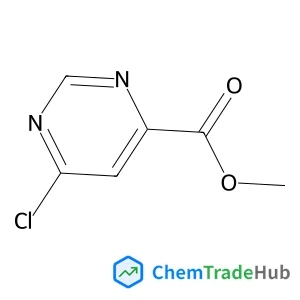
Methyl 6-chloro-4-pyrimidinecarboxylate
CAS Number: 6627-22-1
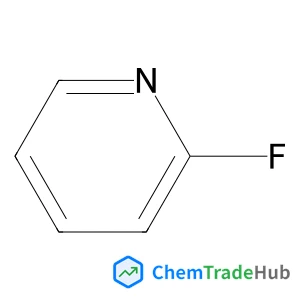
2-Fluoropyridine
CAS Number: 372-48-5
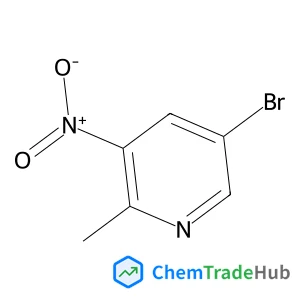
5-Bromo-2-methyl-3-nitropyridine
CAS Number: 911434-05-4

2-Bromonicotinic acid
CAS Number: 35905-85-2

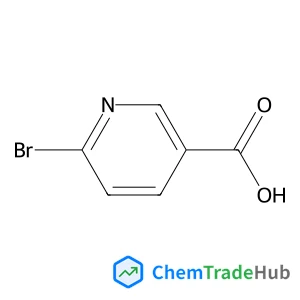
6-Bromonicotinic acid
CAS Number: 6311-35-9

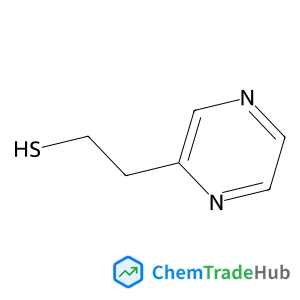
2-(2-Pyrazinyl)ethanethiol
CAS Number: 35250-53-4
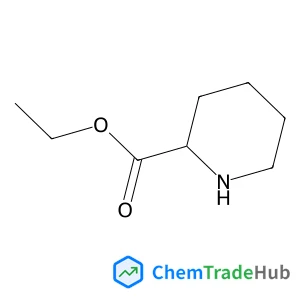
Ethyl 2-piperidinecarboxylate
CAS Number: 15862-72-3
Other Suppliers for Dihydro-2,4,6-tris(2-methylpropyl)-4H-1,3,5-dithiazine



Basic Information
Molecular Formula
C15H31NS2
Molecular Weight
289.54 g/mol
Chemical Identifiers
SMILES
CC(CC1NC(CC(C)C)SC(S1)CC(C)C)C
InChIKey
RQGPQWUKHADVPF-UHFFFAOYSA-N
Database References
MDL Number
MFCD06409998
FAQ
Dihydro-2,4,6-tris(2-methylpropyl)-4H-1,3,5-dithiazine (CAS: 74595-94-1) is subject to various regulatory guidelines, including GHS classification for hazardous substances, REACH regulations for the European Union, and FDA and EPA requirements for safety and environmental protection. Specific handling, storage, and disposal guidelines must be adhered to ensure compliance with local and international regulations.
There are several alternatives to dihydro-2,4,6-tris(2-methylpropyl)-4H-1,3,5-dithiazine (CAS: 74595-94-1) in synthesis, including isothiazolines and other dithizines. Common alternative reagents include 2,4,6-tris(2-methylpropyl)isothiazole and related compounds, which may offer similar functionalities with different reaction profiles.
The market and research trends for dihydro-2,4,6-tris(2-methylpropyl)-4H-1,3,5-dithiazine (CAS: 74595-94-1) are focused on its applications in agriculture as a fungicide, and in the development of new materials and pharmaceuticals. Recent research trends include the exploration of its potential in biocatalysis and as a protective agent against microbial infections.
Waste containing dihydro-2,4,6-tris(2-methylpropyl)-4H-1,3,5-dithiazine (CAS: 74595-94-1) should be managed according to local regulations. Waste liquid should be collected and treated to remove the compound, followed by safe disposal methods such as incineration or professional waste disposal services. Environmental protection precautions, including proper containment and handling to prevent exposure, are essential.
Safety Notice
Please verify product specifications and safety data before use. Contact the supplier for detailed safety information.
Always follow proper handling procedures
Contact Information
Contact Person
Manager Wang
hope2084@163.com