



AD
(S)-2-amino-2-(3-chlorophenyl)ethanol(CAS: 663611-73-2)
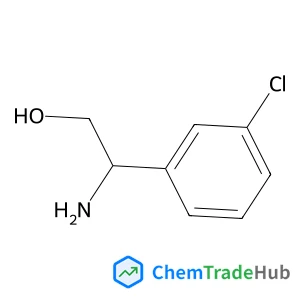
CAS Number
Related Products
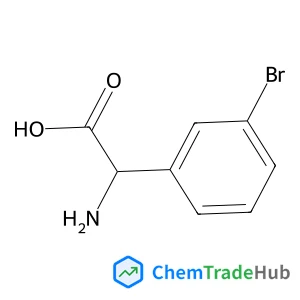
Amino(3-bromophenyl)acetic acid
CAS Number: 79422-73-4
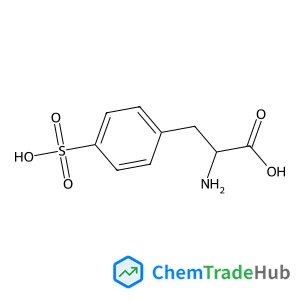
4-Sulfo-L-phenylalanine
CAS Number: 84053-08-7
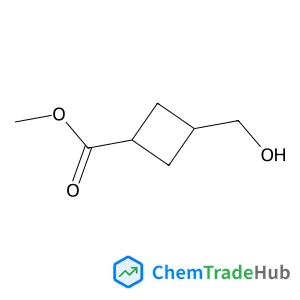
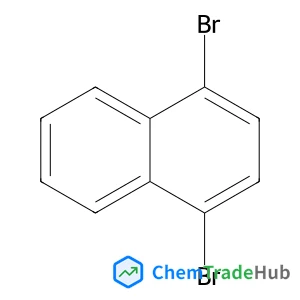
1,4-dibromonaphthalene
CAS Number: 83-53-4
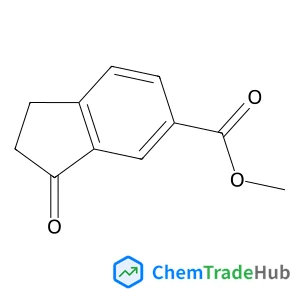
Methyl 3-oxo-5-indanecarboxylate
CAS Number: 68634-03-7
![5-Methoxypyrazolo[1,5-a]pyridine-2-carboxylic acid](https://static.chemtradehub.com/structs/876/876379-71-4-2133.webp)
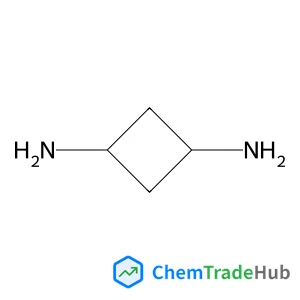
Cyclobutane-1,3-diamine
CAS Number: 91301-66-5
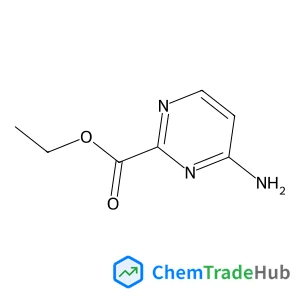
Ethyl 4-amino-2-pyrimidinecarboxylate
CAS Number: 71470-41-2
Other Suppliers for (S)-2-amino-2-(3-chlorophenyl)ethanol






Basic Information
Molecular Formula
C8H10ClNO
Molecular Weight
171.63 g/mol
Chemical Identifiers
SMILES
C1=CC(=CC(=C1)Cl)C(CO)N
InChIKey
HLXHAXFWWGYXQW-MRVPVSSYSA-N
Database References
MDL Number
MFCD09253677
FAQ
The compound (S)-2-amino-2-(3-chlorophenyl)ethanol (CAS: 663611-73-2) falls under various regulatory guidelines including GHS (Globally Harmonized System of Classification and Labelling of Chemicals), REACH (Registration, Evaluation, Authorisation and Restriction of Chemicals) for EU substances, and FDA (Food and Drug Administration) and EPA (Environmental Protection Agency) requirements in the US. Compliance with these guidelines is essential for handling, storage, and disposal of the compound in industrial and laboratory settings.
Yes, there are alternatives to (S)-2-amino-2-(3-chlorophenyl)ethanol (CAS: 663611-73-2) in synthesis. Common alternatives include (R)-2-amino-2-(3-chlorophenyl)ethanol, which is a stereoisomer, and various other aminophenols. These alternatives can serve as effective substitutes depending on the specific synthesis requirements and desired properties.
The market for (S)-2-amino-2-(3-chlorophenyl)ethanol (CAS: 663611-73-2) is driven by research in pharmaceuticals and agrochemicals. Recent trends show increased interest in developing new drugs and pesticides containing this compound due to its unique chemical properties. Research is also focused on exploring its potential in biocatalysis and green chemistry applications.
Waste containing (S)-2-amino-2-(3-chlorophenyl)ethanol (CAS: 663611-73-2) should be handled with caution to prevent environmental contamination. Waste should be collected in appropriate containers and stored separately. Incineration is a common method for disposal, while professional waste disposal services can also be utilized. Proper safety measures and disposal procedures should adhere to local and international environmental regulations to ensure safe and sustainable management of the waste.
Safety Notice
Please verify product specifications and safety data before use. Contact the supplier for detailed safety information.
Always follow proper handling procedures
Contact Information
sales@acemol.com