



AD
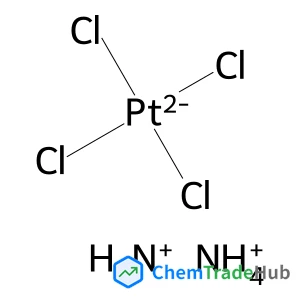
Diammonium tetrachloroplatinate(2-)(CAS: 13820-41-2)
CAS Number
Related Products
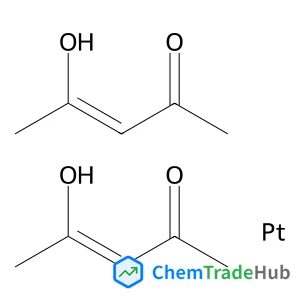
Bis(acetylacetonato)platinum(II)
CAS Number: 15170-57-7
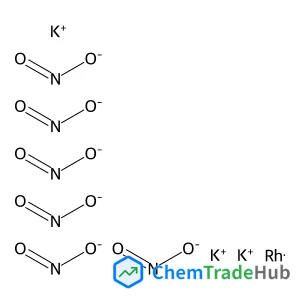
tripotassium;hexanitrorhodium(3-)
CAS Number: 17712-66-2
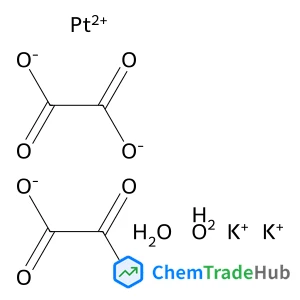
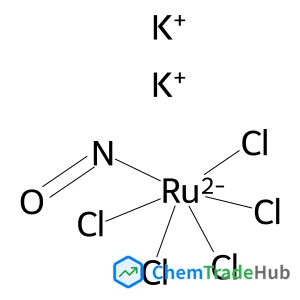
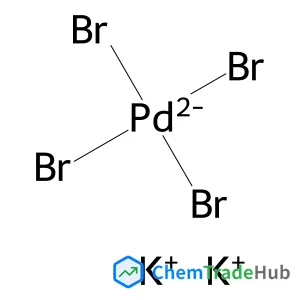
Dipotassium tetrabromopalladate(2-)
CAS Number: 13826-93-2
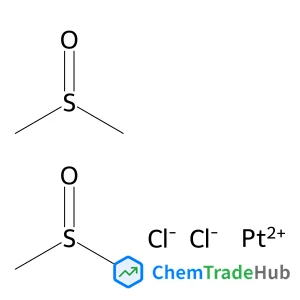
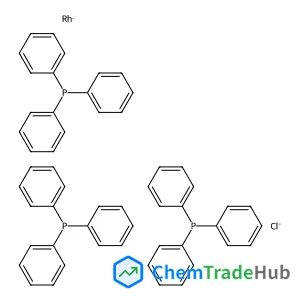
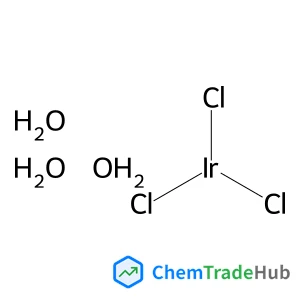
Trichloroiridium trihydrate
CAS Number: 13569-57-8
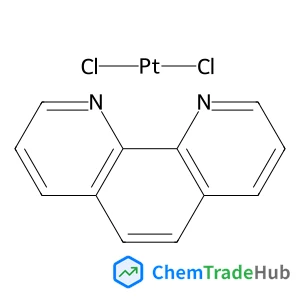
Other Suppliers for Diammonium tetrachloroplatinate(2-)



Basic Information
Molecular Formula
H8Cl4N2Pt
Molecular Weight
372.97 g/mol
Physical Properties
Melting Point
140 °C (dec.) (lit.)
Chemical Identifiers
SMILES
[NH4+].[NH4+].Cl[Pt-2](Cl)(Cl)Cl
InChIKey
QJIMNDWDOXTTBR-UHFFFAOYSA-L
Database References
MDL Number
MFCD00010885
FAQ
Diammonium tetrachloroplatinate(2-) (CAS: 13820-41-2) is a chemical substance that falls under various regulatory guidelines such as the Globally Harmonized System of Classification and Labelling of Chemicals (GHS), REACH (Registration, Evaluation, Authorisation and Restriction of Chemicals) in the European Union, and the Federal Insecticide, Fungicide, and Rodenticide Act (FIFRA) in the United States. It is important to follow these guidelines for handling, storage, and disposal to ensure safety and compliance.
In synthesis, diammonium tetrachloroplatinate(2-) (CAS: 13820-41-2) is often used for its specific properties. However, alternatives like tetrachloroplatinum(II) chloride or other metal complexes can be considered depending on the specific application. It is advisable to consult a chemist or a material safety data sheet (MSDS) for detailed information on alternatives.
The market for diammonium tetrachloroplatinate(2-) (CAS: 13820-41-2) is driven by its applications in catalysis, electrochemistry, and materials science. Research trends are focusing on its use in electrode materials for batteries and its catalytic properties in organic synthesis. The demand is expected to grow with advancements in these fields. However, market trends can vary based on global economic conditions and regulatory changes.
Waste containing diammonium tetrachloroplatinate(2-) (CAS: 13820-41-2) should be handled according to the guidelines of the Globally Harmonized System (GHS) and local regulations. It is recommended to collect waste in appropriate containers, neutralize any acidic or basic components, and then dispose of it through a professional hazardous waste disposal service. Environmental protection measures should be taken to prevent contamination of soil and water sources.
Safety Notice
Please verify product specifications and safety data before use. Contact the supplier for detailed safety information.
Always follow proper handling procedures
Contact Information
Contact Person
Zhang Jinming
353434860@qq.com