



AD
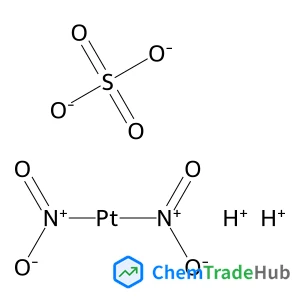
dinitroplatinum;hydron;sulfate(CAS: 12033-81-7)
CAS Number
Related Products
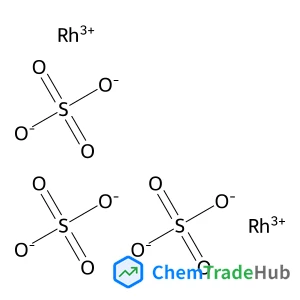
rhodium(+2) cation trisulfate
CAS Number: 10489-46-0
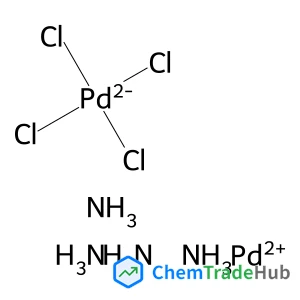
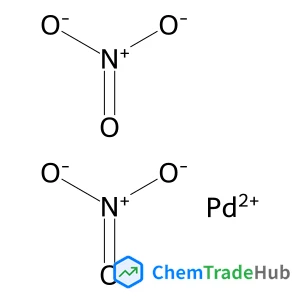
Palladium(Ⅱ) Nitrate
CAS Number: 10102-05-3
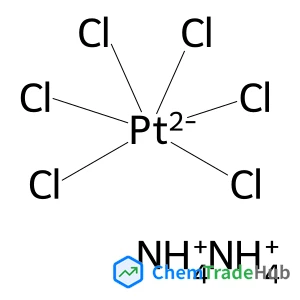
Diammonium hexachloroplatinate(2-)
CAS Number: 16919-58-7
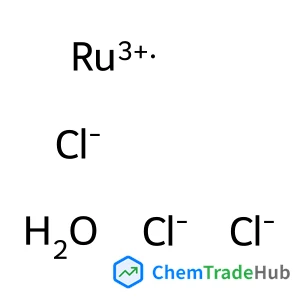
Ruodium (Ⅲ) Chloride Hydrate
CAS Number: 14898-67-0
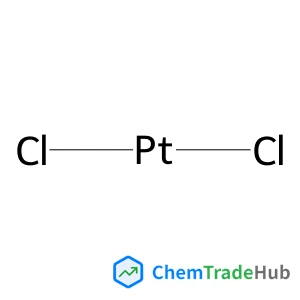
Platinum(2+) dichloride
CAS Number: 10025-65-7
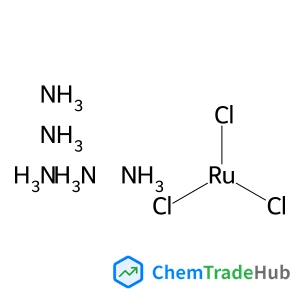
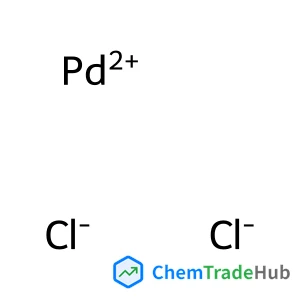
Palladium(2+) dichloride
CAS Number: 7647-10-1
Other Suppliers for dinitroplatinum;hydron;sulfate






Basic Information
Molecular Formula
H2N2O8PtS
Molecular Weight
385.17 g/mol
EINECS
234-794-7
Physical Properties
Water Solubility
Miscible with water.
Chemical Identifiers
SMILES
[H+].[H+].[N+](=O)([O-])[Pt][N+](=O)[O-].[O-]S(=O)(=O)[O-]
InChIKey
UPPIZEQBIVFXNM-UHFFFAOYSA-N
Database References
MDL Number
MFCD00064668
FAQ
Dinitroplatinum (CAS: 12033-81-7) is a coordination compound with a molecular formula of Pt(NO2)2. It appears as a white crystalline solid. The molecular weight is approximately 243.94 g/mol. It is insoluble in water but soluble in common organic solvents such as ethanol and acetone. The compound is not highly reactive but can undergo substitution reactions with various ligands. It has a high melting point and is stable under normal conditions.
Dinitroplatinum (CAS: 12033-81-7) is synthesized by the reaction of platinum metal or platinum(II) chloride with nitric acid in the presence of a strong oxidizing agent such as potassium nitrate. The synthesis typically involves dissolving platinum in nitric acid and then treating the solution with potassium nitrate to produce the dinitroplatinum complex. The yield and selectivity are generally good under controlled conditions.
Dinitroplatinum (CAS: 12033-81-7) is primarily used in the manufacturing of catalytic materials for various industrial processes. It is also utilized in research and development for catalyst design and evaluation. Additionally, it can be found in specialized applications such as electrochemical sensors and as a reagent in certain analytical techniques.
When handling dinitroplatinum (CAS: 12033-81-7), it is important to follow standard laboratory safety protocols. Wear appropriate personal protective equipment (PPE) such as gloves, goggles, and a lab coat. Handle the compound in a well-ventilated area or fume hood to avoid inhalation of dust or fumes. In case of a spill, immediately clean up using appropriate absorbent materials and follow the safety data sheet (SDS) guidelines for disposal. Ensure that the compound is stored in a secure, well-ventilated area away from incompatible materials.
Safety Notice
Please verify product specifications and safety data before use. Contact the supplier for detailed safety information.
Always follow proper handling procedures
Contact Information
3080634228@qq.com