



AD
Palladium(2+), tetraammine-, (SP-4-1)-, (SP-4-1)-tetrachloropalladate(2-) (1:1)(CAS: 13820-44-5)
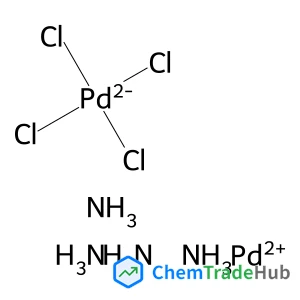
CAS Number
Related Products
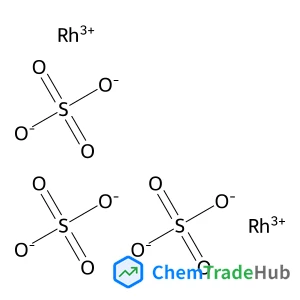
rhodium(+2) cation trisulfate
CAS Number: 10489-46-0
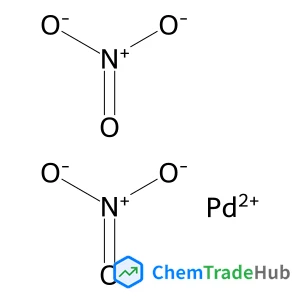
Palladium(Ⅱ) Nitrate
CAS Number: 10102-05-3
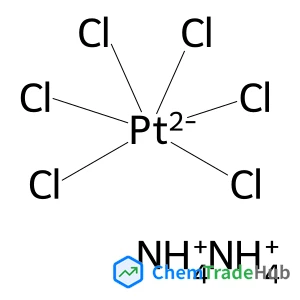
Diammonium hexachloroplatinate(2-)
CAS Number: 16919-58-7
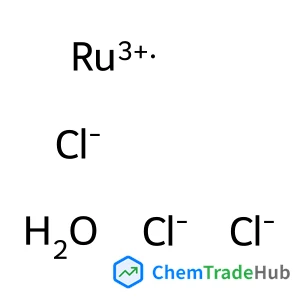
Ruodium (Ⅲ) Chloride Hydrate
CAS Number: 14898-67-0
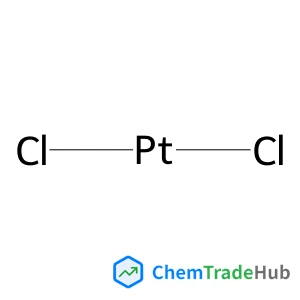
Platinum(2+) dichloride
CAS Number: 10025-65-7
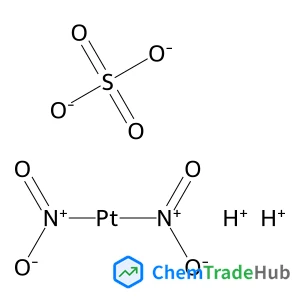
dinitroplatinum;hydron;sulfate
CAS Number: 12033-81-7
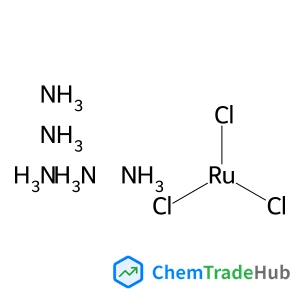
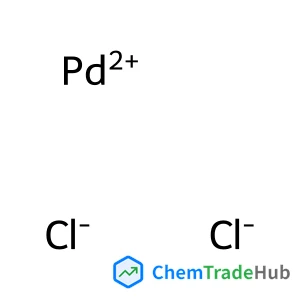
Palladium(2+) dichloride
CAS Number: 7647-10-1

Other Suppliers for Palladium(2+), tetraammine-, (SP-4-1)-, (SP-4-1)-tetrachloropalladate(2-) (1:1)




Basic Information
Molecular Formula
Cl4H12N4Pd2
Molecular Weight
422.8 g/mol
Physical Properties
Melting Point
192 °C (dec.)(lit.)
Chemical Identifiers
SMILES
N.N.N.N.Cl[Pd-2](Cl)(Cl)Cl.[Pd+2]
InChIKey
SAZHJAFUUQUXRW-UHFFFAOYSA-J
Database References
MDL Number
MFCD00049783
FAQ
Palladium(2+), tetraammine-, (SP-4-1)-, (SP-4-1)-tetrachloropalladate(2-) (1:1) (CAS: 13820-44-5) falls under the scope of REACH regulations for chemical substances. It must comply with GHS classification for hazardous substances, and follow FDA and EPA guidelines for use in the United States. Specific handling, storage, and disposal procedures are required based on its classification.
Alternatives to Palladium(2+), tetraammine-, (SP-4-1)-, (SP-4-1)-tetrachloropalladate(2-) (1:1) include other palladium complexes such as tetrakis(triphenylphosphine)palladium(0) and bis(triphenylphosphine) palladium(II) dichloride. These can be used as catalysts in various palladium-catalyzed reactions, offering different reactivity profiles.
The market for Palladium(2+), tetraammine-, (SP-4-1)-, (SP-4-1)-tetrachloropalladate(2-) (1:1) (CAS: 13820-44-5) is driven by advancements in catalytic chemistry, particularly in palladium-catalyzed reactions for organic synthesis. Research is focusing on developing more efficient and environmentally friendly catalysts, which could lead to increased demand and innovation in this area.
Waste containing Palladium(2+), tetraammine-, (SP-4-1)-, (SP-4-1)-tetrachloropalladate(2-) (1:1) should be collected in appropriate containers and disposed of by a licensed waste management company. Incineration or professional waste disposal methods should be employed to ensure the safe reduction of palladium levels. Environmental protection should be prioritized to prevent contamination of soil and water sources.
Safety Notice
Please verify product specifications and safety data before use. Contact the supplier for detailed safety information.
Always follow proper handling procedures
Contact Information
3080634228@qq.com