



AD
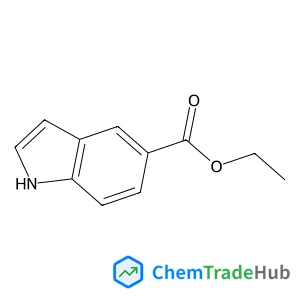
Ethyl 1H-indole-5-carboxylate(CAS: 32996-16-0)
CAS Number
Related Products
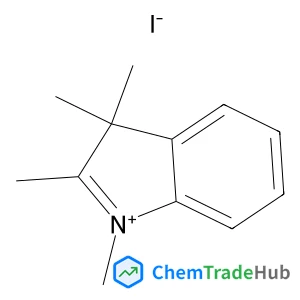
1,2,3,3-Tetramethyl-3H-indolium iodide
CAS Number: 5418-63-3
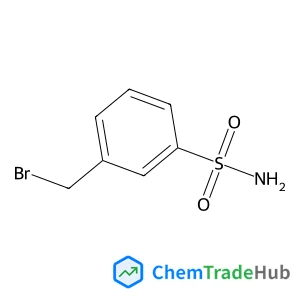
3-(Bromomethyl)benzenesulfonamide
CAS Number: 220798-52-7
![3,3'-(1,1,1,3,3,3-Hexafluoro-2,2-propanediyl)bis[6-(allyloxy)aniline]](https://static.chemtradehub.com/structs/257/2573217-07-7-f3dd.webp)
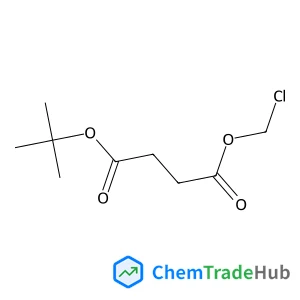
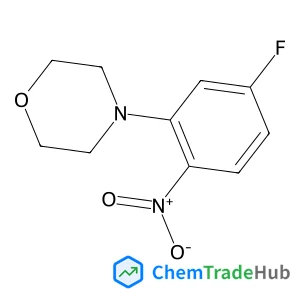
4-(5-Fluoro-2-nitrophenyl)morpholine
CAS Number: 536977-34-1
Other Suppliers for Ethyl 1H-indole-5-carboxylate




Basic Information
Molecular Formula
C11H11NO2
Molecular Weight
189.21 g/mol
Physical Properties
Melting Point
98-101°C
Chemical Identifiers
SMILES
CCOC(=O)C1=CC2=C(C=C1)NC=C2
InChIKey
PDXPRWCJESNIIT-UHFFFAOYSA-N
Database References
MDL Number
MFCD01074506
FAQ
Ethyl 1H-indole-5-carboxylate (CAS: 32996-16-0) falls under the scope of various regulatory guidelines. For safety data, it follows the Globally Harmonized System of Classification and Labelling of Chemicals (GHS) and is regulated by the European Chemicals Agency under REACH. Additionally, the U.S. Environmental Protection Agency (EPA) and the Food and Drug Administration (FDA) have specific requirements for its use and handling, particularly in medicinal and industrial applications. Proper labeling, storage, and disposal must comply with these guidelines to ensure safety and meet legal standards.
Yes, there are alternatives to Ethyl 1H-indole-5-carboxylate (CAS: 32996-16-0) in synthesis, such as other indole derivatives and related carboxylic acids. For instance, methyl 1H-indole-5-carboxylate can be used as an analogous compound. Common alternative reagents include acyl chlorides, anhydrides, and carboxylic acids. These alternatives can offer similar functionalities while providing different reaction profiles and ease of use in the lab.
The market for Ethyl 1H-indole-5-carboxylate (CAS: 32996-16-0) is growing, particularly in pharmaceutical and agrochemical research, owing to its use as a precursor in drug and pesticide development. Research trends are focusing on its role in synthesizing biologically active compounds. Demand is also increasing in the flavor and fragrance industry. Market trends indicate a steady rise in demand, driven by the continuous exploration of its potential applications.
Waste containing Ethyl 1H-indole-5-carboxylate (CAS: 32996-16-0) should be managed carefully to ensure safety and compliance. Collect waste in appropriate containers and label them accordingly. For large quantities or hazardous waste, professional waste disposal services should be utilized. Incineration can be an effective method for disposal, but it should be done in a controlled environment to prevent air pollution. Always follow local regulations and guidelines for environmental protection and ensure all waste is handled in a manner that minimizes ecological impact.
Safety Notice
Please verify product specifications and safety data before use. Contact the supplier for detailed safety information.
Always follow proper handling procedures
Contact Information
Contact Person
Zhang Manager
angela@labgogo.com