



AD
2,5,8,11-Tetraoxatetradec-13-yne(CAS: 89635-82-5)
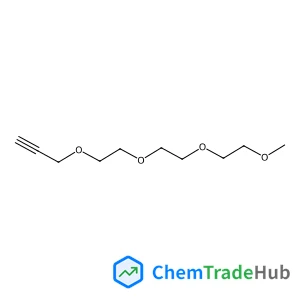
CAS Number
Related Products
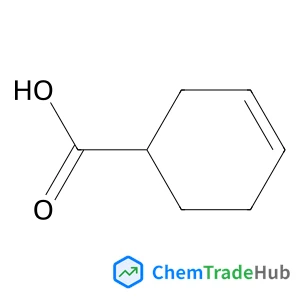
(1S)-3-Cyclohexene-1-carboxylic acid
CAS Number: 5708-19-0
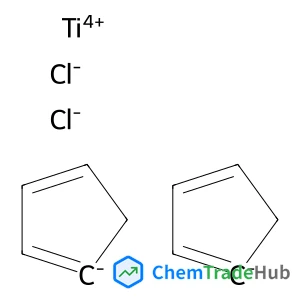
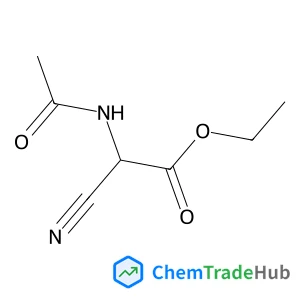
Ethyl Acetamidocyanoacetate
CAS Number: 4977-62-2
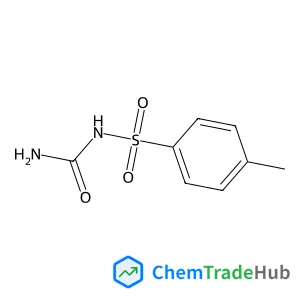
N-Carbamoyl-4-methylbenzenesulfonamide
CAS Number: 1694-06-0
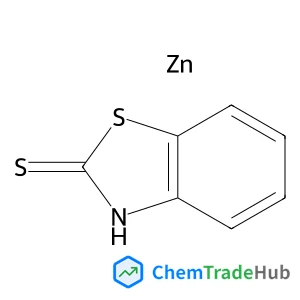
Zinc bis(1,3-benzothiazole-2-thiolate)
CAS Number: 155-04-4
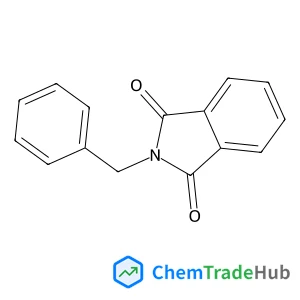
2-Benzyl-1H-isoindole-1,3(2H)-dione
CAS Number: 2142-01-0
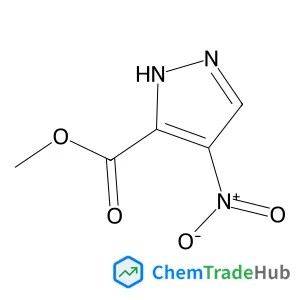
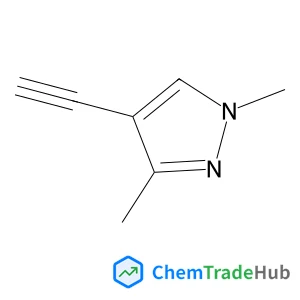
4-Ethynyl-1,3-dimethyl-1H-pyrazole
CAS Number: 61514-53-2
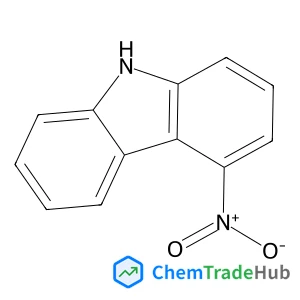
1-Nitro-9H-carbazole
CAS Number: 57905-76-7
Other Suppliers for 2,5,8,11-Tetraoxatetradec-13-yne





Basic Information
Molecular Formula
C10H18O4
Molecular Weight
192.25 g/mol
Chemical Identifiers
SMILES
COCCOCCOCCOCC#C
InChIKey
TYHJQPGPBRVOJZ-UHFFFAOYSA-N
Database References
MDL Number
MFCD27977518
FAQ
2,5,8,11-Tetraoxatetradec-13-yne (CAS: 89635-82-5) falls under various regulatory guidelines including GHS (Global Harmonized System of Classification and Labeling of Chemicals), REACH (Registration, Evaluation, Authorisation and Restriction of Chemicals) in the EU, and FDA/EPA requirements in the USA. Specific handling, storage, and disposal guidelines are mandated by these regulations to ensure safety and compliance.
Alternatives to 2,5,8,11-Tetraoxatetradec-13-yne (CAS: 89635-82-5) in synthesis include using isomers or analogs such as 2,5,8,11-Tetraoxatetradec-12-yne or similar compounds. Other common alternative reagents might include other linear or branched alkenes and alkynes. These alternatives can offer similar functionalities with potentially different reactivity profiles.
The market for 2,5,8,11-Tetraoxatetradec-13-yne (CAS: 89635-82-5) is primarily driven by its unique chemical structure, making it suitable for advanced applications in pharmaceuticals, materials science, and biotechnology. Research trends focus on its potential in catalysis, polymer synthesis, and drug delivery systems. Market demand is expected to grow with increasing R&D investments in these areas.
Waste containing 2,5,8,11-Tetraoxatetradec-13-yne (CAS: 89635-82-5) should be collected in appropriate containers and stored in a well-ventilated, dry area. For disposal, professional waste management services should be employed to ensure compliance with local and international regulations. Specific precautions include neutralization to reduce reactivity, proper labeling, and safe transportation to designated waste treatment facilities.
Safety Notice
Please verify product specifications and safety data before use. Contact the supplier for detailed safety information.
Always follow proper handling procedures
Contact Information
jacschem@163.com