



AD
(2-methylphenyl)methanol(CAS: 89-95-2)
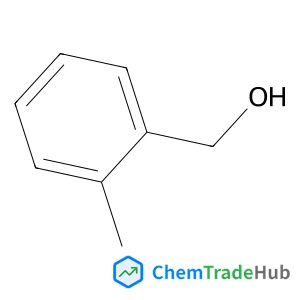
CAS Number
Related Products
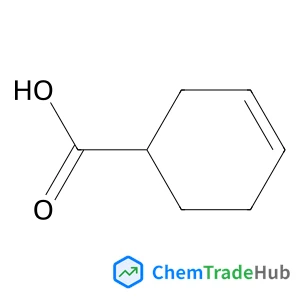
(1S)-3-Cyclohexene-1-carboxylic acid
CAS Number: 5708-19-0
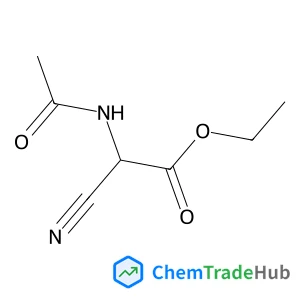
Ethyl Acetamidocyanoacetate
CAS Number: 4977-62-2
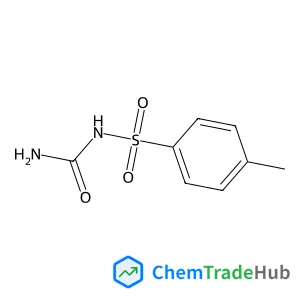
N-Carbamoyl-4-methylbenzenesulfonamide
CAS Number: 1694-06-0
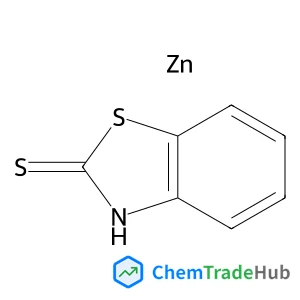
Zinc bis(1,3-benzothiazole-2-thiolate)
CAS Number: 155-04-4
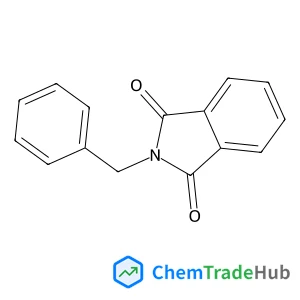
2-Benzyl-1H-isoindole-1,3(2H)-dione
CAS Number: 2142-01-0
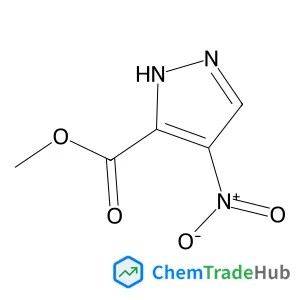
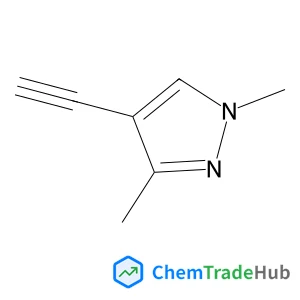
4-Ethynyl-1,3-dimethyl-1H-pyrazole
CAS Number: 61514-53-2
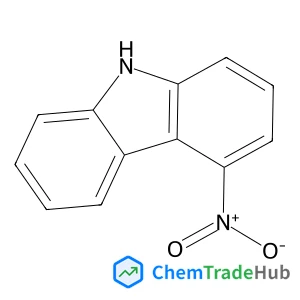
1-Nitro-9H-carbazole
CAS Number: 57905-76-7
Other Suppliers for (2-methylphenyl)methanol





Basic Information
Molecular Formula
C8H10O
Molecular Weight
122.17 g/mol
Physical Properties
Melting Point
35.0 to 38.0 deg-C
Boiling Point
219°C(lit.)
Density
1.0230
Chemical Identifiers
SMILES
CC1=CC=CC=C1CO
InChIKey
XPNGNIFUDRPBFJ-UHFFFAOYSA-N
Database References
MDL Number
MFCD00004622
Beilstein Registry Number
1929783
FAQ
(2-methylphenyl)methanol (CAS: 89-95-2) is a colorless to light yellow liquid with a melting point of -31°C and a boiling point of 152.1°C. Its molecular weight is approximately 130.18 g/mol. It is slightly soluble in water but miscible with most organic solvents. This compound is known for its reactivity towards electrophiles and nucleophiles, participating in various organic synthesis reactions.
(2-methylphenyl)methanol is typically synthesized via the application of catalytic hydrogenation to 2-methylbenzaldehyde. The synthesis involves the use of a platinum-based catalyst and hydrogen gas under pressure. Commonly, the yield is around 90%, and the process is selective and efficient, making it a suitable method for industrial production.
(2-methylphenyl)methanol (CAS: 89-95-2) is widely used in the pharmaceutical, polymer, and chemical industries. It serves as a precursor in the synthesis of various drugs, and it is also used as a monomer in polymer production. Additionally, it finds applications in the production of sensors and semiconductors due to its chemical reactivity and stability.
When handling (2-methylphenyl)methanol (CAS: 89-95-2), it is essential to wear appropriate personal protective equipment (PPE), including gloves, goggles, and a lab coat. It should be handled in a well-ventilated area or a fume hood. Spills should be contained and handled according to the safety data sheet (SDS). In case of accidental ingestion, seek medical attention immediately. Always follow the guidelines provided in the SDS for safe handling and disposal.
Safety Notice
Please verify product specifications and safety data before use. Contact the supplier for detailed safety information.
Always follow proper handling procedures
Contact Information
jacschem@163.com