



AD
Palladium(2+) chloride ammoniate (1:2:2)(CAS: 13782-33-7)
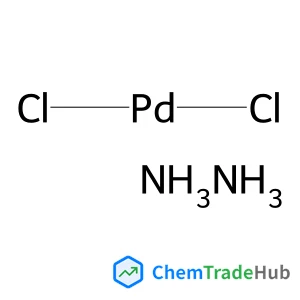
CAS Number
Related Products
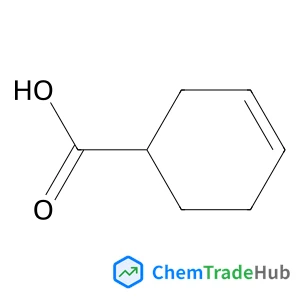
(1S)-3-Cyclohexene-1-carboxylic acid
CAS Number: 5708-19-0
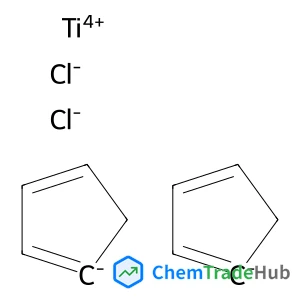
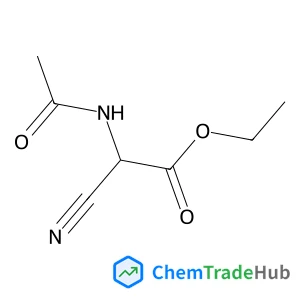
Ethyl Acetamidocyanoacetate
CAS Number: 4977-62-2
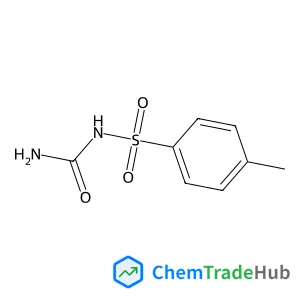
N-Carbamoyl-4-methylbenzenesulfonamide
CAS Number: 1694-06-0
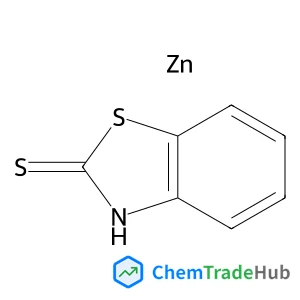
Zinc bis(1,3-benzothiazole-2-thiolate)
CAS Number: 155-04-4
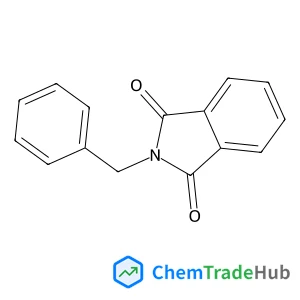
2-Benzyl-1H-isoindole-1,3(2H)-dione
CAS Number: 2142-01-0
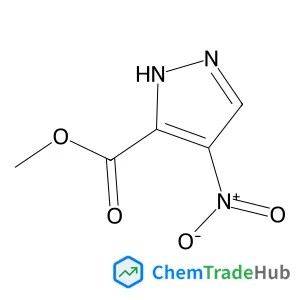
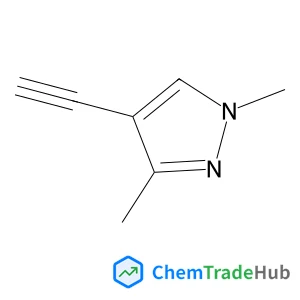
4-Ethynyl-1,3-dimethyl-1H-pyrazole
CAS Number: 61514-53-2
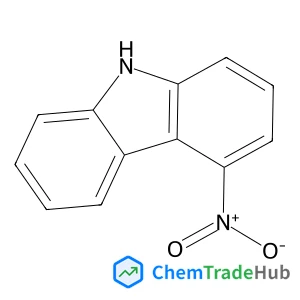
1-Nitro-9H-carbazole
CAS Number: 57905-76-7
Other Suppliers for Palladium(2+) chloride ammoniate (1:2:2)





Basic Information
Molecular Formula
H6Cl2N2Pd
Molecular Weight
211.39 g/mol
Chemical Identifiers
SMILES
N.N.Cl[Pd]Cl
InChIKey
WIEZTXFTOIBIOC-UHFFFAOYSA-L
Database References
MDL Number
MFCD00011621
FAQ
Palladium(2+) chloride ammoniate (CAS: 13782-33-7) is regulated under the Globally Harmonized System of Classification and Labelling of Chemicals (GHS) as a Flammable Liquid Category 4, and it is classified as a Hazardous Substance according to the European Union’s REACH regulations. FDA and EPA may require registration, reporting, and labeling in the United States. Adequate storage and handling practices must comply with local and national standards.
Alternatives to Palladium(2+) chloride ammoniate (CAS: 13782-33-7) include other palladium complexes such as palladium acetate, palladium(II) chloride, and Pd(OAc)₂. These alternatives are often used in homogeneous catalysis and can provide similar reactivity in various synthetic processes.
What is the market or research trend for Palladium(2+) chloride ammoniate (1:2:2) (CAS: 13782-33-7)?
The market for Palladium(2+) chloride ammoniate (CAS: 13782-33-7) is driven by its use in catalytic applications and organic synthesis. Research trends focus on developing more efficient and environmentally friendly catalytic systems, with a growing interest in renewable and sustainable catalysts. Demand is also influenced by technological advancements in the electronics and pharmaceutical industries.
Waste containing Palladium(2+) chloride ammoniate (CAS: 13782-33-7) should be handled carefully to minimize environmental impact. It should be collected in a sealed container, labeled as hazardous waste, and disposed of through a professional hazardous waste disposal service. Precautions include avoiding contact with skin and eyes, and ensuring proper ventilation during handling. Compliance with local and national regulations is essential.
Safety Notice
Please verify product specifications and safety data before use. Contact the supplier for detailed safety information.
Always follow proper handling procedures
Contact Information
jacschem@163.com