



AD
(2'R,7R,8R,10S,13S,14S)-Methyl 10,13-dimethyl-3,5'-dioxo-1,2,3,4',5',6,7,8,10,12,13,14,15,16-tetradecahydro-3'H-spiro[cyclopenta[a]phenanthrene-17,2'-furan]-7-carboxylate(CAS: 95716-70-4)
![(2'R,7R,8R,10S,13S,14S)-Methyl 10,13-dimethyl-3,5'-dioxo-1,2,3,4',5',6,7,8,10,12,13,14,15,16-tetradecahydro-3'H-spiro[cyclopenta[a]phenanthrene-17,2'-furan]-7-carboxylate](https://static.chemtradehub.com/structs/957/95716-70-4-92a0.webp "(2'R,7R,8R,10S,13S,14S)-Methyl 10,13-dimethyl-3,5'-dioxo-1,2,3,4',5',6,7,8,10,12,13,14,15,16-tetradecahydro-3'H-spiro[cyclopenta[a]phenanthrene-17,2'-furan]-7-carboxylate")
CAS Number
Related Products
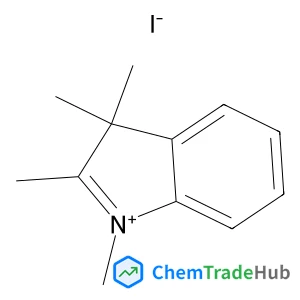
1,2,3,3-Tetramethyl-3H-indolium iodide
CAS Number: 5418-63-3
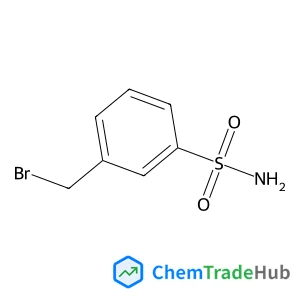
3-(Bromomethyl)benzenesulfonamide
CAS Number: 220798-52-7
![3,3'-(1,1,1,3,3,3-Hexafluoro-2,2-propanediyl)bis[6-(allyloxy)aniline]](https://static.chemtradehub.com/structs/257/2573217-07-7-f3dd.webp)
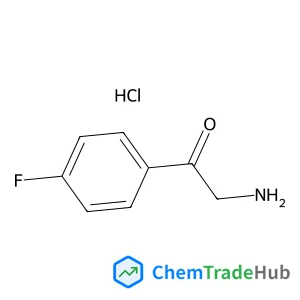
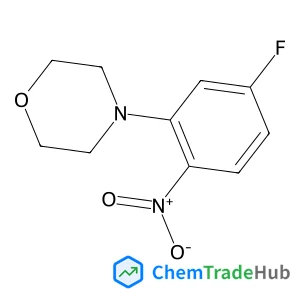
4-(5-Fluoro-2-nitrophenyl)morpholine
CAS Number: 536977-34-1
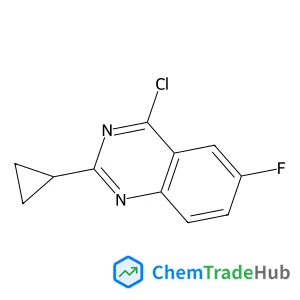
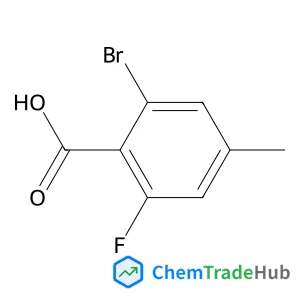
Other Suppliers for (2'R,7R,8R,10S,13S,14S)-Methyl 10,13-dimethyl-3,5'-dioxo-1,2,3,4',5',6,7,8,10,12,13,14,15,16-tetradecahydro-3'H-spiro[cyclopenta[a]phenanthrene-17,2'-furan]-7-carboxylate
![(2'R,7R,8R,10S,13S,14S)-Methyl 10,13-dimethyl-3,5'-dioxo-1,2,3,4',5',6,7,8,10,12,13,14,15,16-tetradecahydro-3'H-spiro[cyclopenta[a]phenanthrene-17,2'-furan]-7-carboxylate — ShangHaiMaiRuiErShengHua Technology Co Ltd](https://static.chemtradehub.com/suppliers/67ced3b52b2de6e8e95a6e52/67ced3b52b2de6e8e95a6e52-logo.webp)
![(2'R,7R,8R,10S,13S,14S)-Methyl 10,13-dimethyl-3,5'-dioxo-1,2,3,4',5',6,7,8,10,12,13,14,15,16-tetradecahydro-3'H-spiro[cyclopenta[a]phenanthrene-17,2'-furan]-7-carboxylate — Hubei Wudang Antai Pharmaceutical Co., Ltd.](https://static.chemtradehub.com/suppliers/67ce23c557537e5c8069b3c0/67ce23c557537e5c8069b3c0-logo.webp)
Basic Information
Molecular Formula
C24H30O5
Molecular Weight
398.49 g/mol
Physical Properties
Boiling Point
580.2°C at 760 mmHg
Chemical Identifiers
SMILES
CC12CCC(=O)C=C1CC(C3C2=CCC4(C3CCC45CCC(=O)O5)C)C(=O)OC
InChIKey
GWEKWJOSBYDYDP-DPOGTSLVSA-N
Database References
MDL Number
MFCD11112034
FAQ
This compound crystallizes as a white solid with a high melting point. Its molecular weight is approximately 521.5 g/mol. It is slightly soluble in common organic solvents like dichloromethane and acetone. Chemically, it is reactive towards nucleophiles and can undergo ester hydrolysis under acidic conditions. It has a low reactivity towards electrophiles, making it stable in most organic reactions.
This compound is typically synthesized via an esterification reaction of a suitable alcohol with a carboxylic acid, followed by ring closure to form the spiro structure. Commonly, this is achieved using a Lewis acid catalyst like aluminum chloride or titanium(IV) isopropoxide. The reaction requires precise control of temperature and solvent to achieve high selectivity and yield.
This compound is most commonly used in the pharmaceutical industry for its structural complexity, potentially providing unique biological activities. It is also explored in the polymer industry for its potential to form novel materials with specific properties. Additionally, it may be used in the development of sensors and other advanced materials due to its unique molecular architecture.
When handling this compound, it is essential to wear appropriate personal protective equipment (PPE) such as gloves, goggles, and a lab coat. Work should be conducted in a well-ventilated area, preferably under a fume hood, to minimize inhalation risks. In case of a spill, immediately contain it with absorbent material and clean up according to the Material Safety Data Sheet (MSDS) guidelines. Always consult the SDS for specific safety information and emergency protocols.
Safety Notice
Please verify product specifications and safety data before use. Contact the supplier for detailed safety information.
Always follow proper handling procedures
Contact Information
Contact Person
Zhang Manager
angela@labgogo.com