



AD
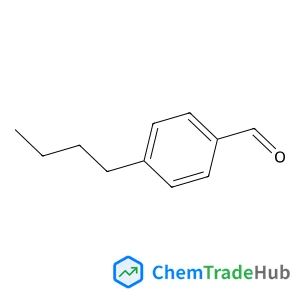
4-Butylbenzaldehyde(CAS: 1200-14-2)
CAS Number
Related Products
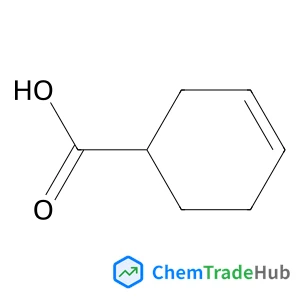
(1S)-3-Cyclohexene-1-carboxylic acid
CAS Number: 5708-19-0
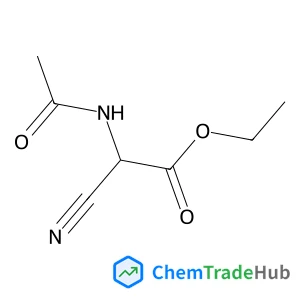
Ethyl Acetamidocyanoacetate
CAS Number: 4977-62-2
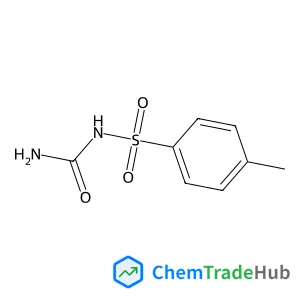
N-Carbamoyl-4-methylbenzenesulfonamide
CAS Number: 1694-06-0
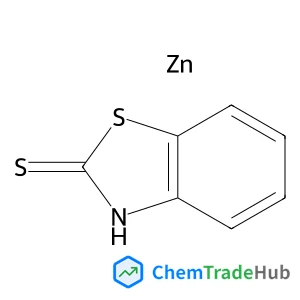
Zinc bis(1,3-benzothiazole-2-thiolate)
CAS Number: 155-04-4
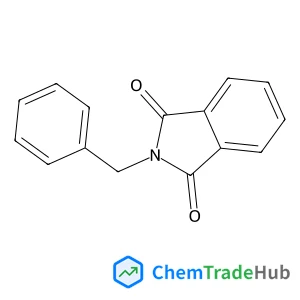
2-Benzyl-1H-isoindole-1,3(2H)-dione
CAS Number: 2142-01-0
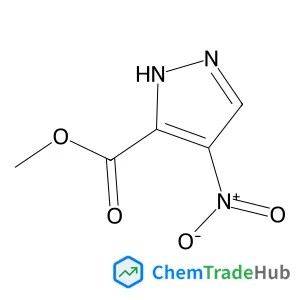
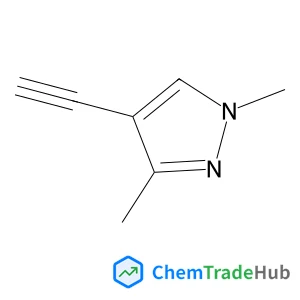
4-Ethynyl-1,3-dimethyl-1H-pyrazole
CAS Number: 61514-53-2
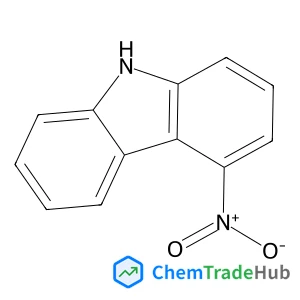
1-Nitro-9H-carbazole
CAS Number: 57905-76-7
Other Suppliers for 4-Butylbenzaldehyde





Basic Information
Molecular Formula
C11H14O
Molecular Weight
162.23 g/mol
Physical Properties
Melting Point
-43°C
Boiling Point
165°C/44mmHg(lit.)
Flash Point
96-98°C/5mm
Chemical Identifiers
SMILES
CCCCC1=CC=C(C=C1)C=O
InChIKey
ARIREUPIXAKDAY-UHFFFAOYSA-N
Database References
MDL Number
MFCD00040751
Beilstein Registry Number
2208267
FAQ
4-Butylbenzaldehyde (CAS: 1200-14-2) is a colorless or light yellow liquid with a melting point of -33°C and a boiling point of 217-219°C. It has a molecular weight of 142.22 g/mol and a density of 0.923 g/cm³. The compound is slightly soluble in water but soluble in ethanol, acetone, and ether. It is reactive towards nucleophiles and can undergo condensation reactions easily.
4-Butylbenzaldehyde is typically synthesized by the reduction of 4-butoxybenzaldehyde with sodium borohydride or lithium aluminum hydride. The reaction is conducted in a solvent such as ethanol or methanol at a temperature range of 0-25°C. The yield is generally around 85-90%, and the method involves careful handling to prevent over-reduction and the formation of 4-Butylphenol.
4-Butylbenzaldehyde (CAS: 1200-14-2) is used in the pharmaceutical industry for the synthesis of various organic compounds and as a fragrance component in the perfume industry. It is also used in the polymer industry as a monomer and in the production of sensors and semiconductors due to its chemical reactivity and functionality.
When handling 4-Butylbenzaldehyde (CAS: 1200-14-2), appropriate personal protective equipment (PPE) should be used, including gloves, goggles, and a lab coat. The compound should be stored in a well-ventilated area and away from sources of heat or ignition. Spills should be handled with care, using absorbent materials, and the area should be flushed with water. Always refer to the Safety Data Sheet (SDS) for detailed information on handling and storage.
Safety Notice
Please verify product specifications and safety data before use. Contact the supplier for detailed safety information.
Always follow proper handling procedures
Contact Information
jacschem@163.com