



AD
Methyl 3-oxo-3,4-dihydro-2H-1,4-benzoxazine-7-carboxylate(CAS: 142166-00-5)

CAS Number
Related Products
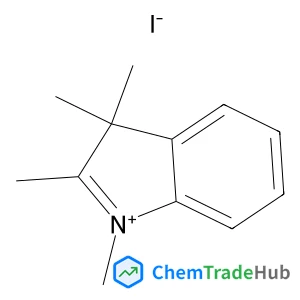
1,2,3,3-Tetramethyl-3H-indolium iodide
CAS Number: 5418-63-3

3-(Bromomethyl)benzenesulfonamide
CAS Number: 220798-52-7
![3,3'-(1,1,1,3,3,3-Hexafluoro-2,2-propanediyl)bis[6-(allyloxy)aniline]](https://static.chemtradehub.com/structs/257/2573217-07-7-f3dd.webp)




4-(5-Fluoro-2-nitrophenyl)morpholine
CAS Number: 536977-34-1


Other Suppliers for Methyl 3-oxo-3,4-dihydro-2H-1,4-benzoxazine-7-carboxylate




Basic Information
Molecular Formula
C10H9NO4
Molecular Weight
207.18 g/mol
Physical Properties
Melting Point
253-255 ºC (hexane )
Density
1.313±0.06 g/cm3 (20 ºC 760 Torr),
Chemical Identifiers
SMILES
COC(=O)C1=CC2=C(C=C1)NC(=O)CO2
InChIKey
HBGXBRNLTSFTIG-UHFFFAOYSA-N
Database References
MDL Number
MFCD07774184
FAQ
Methyl 3-oxo-3,4-dihydro-2H-1,4-benzoxazine-7-carboxylate (CAS: 142166-00-5) is subject to various regulatory guidelines. It falls under the GHS classification system for hazardous chemicals. In Europe, it must comply with REACH regulations, which cover the registration, evaluation, authorization, and restriction of chemicals. For use in the United States, FDA and EPA guidelines must also be adhered to, including proper labeling and handling to prevent environmental contamination.
Yes, there are alternative reagents used in the synthesis of similar compounds. For instance, methyl 3-oxo-3,4-dihydro-2H-1,4-benzoxazine-7-carboxylate (CAS: 142166-00-5) can be synthesized using 3-oxo-3,4-dihydro-2H-1,4-benzoxazine-7-carboxylic acid and methyl chloroformate as a more straightforward method. Other alternatives include using different carboxylic acids and various esters to achieve similar functional groups.
The market for Methyl 3-oxo-3,4-dihydro-2H-1,4-benzoxazine-7-carboxylate (CAS: 142166-00-5) is growing due to its applications in pharmaceuticals and organic synthesis. Research trends are focusing on its use as a building block for complex molecules and as an intermediate in drug development. Additionally, there is increasing interest in its potential use in agrochemicals and as a flavor and fragrance compound.
Waste containing Methyl 3-oxo-3,4-dihydro-2H-1,4-benzoxazine-7-carboxylate (CAS: 142166-00-5) should be collected in a sealed container and disposed of through a professional hazardous waste disposal service. Environmental precautions include ensuring that the waste does not come into contact with water or air to prevent environmental contamination. Incineration is a common method for disposal, but it must be conducted in facilities that comply with local and national regulations to minimize environmental impact.
Safety Notice
Please verify product specifications and safety data before use. Contact the supplier for detailed safety information.
Always follow proper handling procedures
Contact Information
Contact Person
Zhang Manager
angela@labgogo.com