



AD
Thiocarbonohydrazide(CAS: 2231-57-4)

CAS Number
Related Products

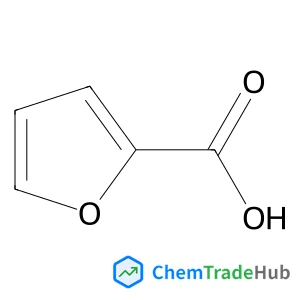
2-Furoic acid
CAS Number: 88-14-2

2,3,5-Trimethylphenol
CAS Number: 697-82-5

2-Bromo-4-fluorobenzaldehyde
CAS Number: 59142-68-6
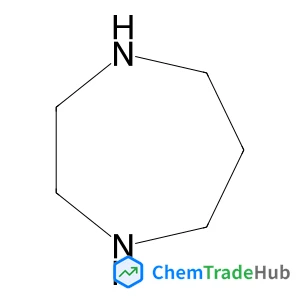
1,4-Diazepane
CAS Number: 505-66-8

3,5-Difluorophenol
CAS Number: 2713-34-0

Sodium azanide
CAS Number: 7782-92-5

3-Nitro-4-pyridinol
CAS Number: 5435-54-1
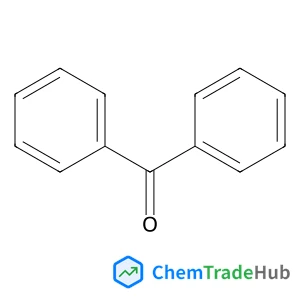
Benzophenone
CAS Number: 119-61-9
Other Suppliers for Thiocarbonohydrazide


Basic Information
Molecular Formula
CH6N4S
Molecular Weight
106.15 g/mol
Physical Properties
Melting Point
171-174 °C (dec.) (lit.)
Boiling Point
230.1±23.0°C at 760 mmHg
Flash Point
93 °C
Chemical Identifiers
SMILES
C(=S)(NN)NN
InChIKey
LJTFFORYSFGNCT-UHFFFAOYSA-N
Database References
MDL Number
MFCD00007616
Beilstein Registry Number
0506657
FAQ
Thiocarbonohydrazide (CAS: 2231-57-4) is a white crystalline solid with a molecular weight of approximately 116.13 g/mol. It has a solubility of 0.64 g per 100 mL in water. The compound is known for its reactivity towards various functional groups, particularly in the formation of hydrazones and thiohydrazones. It shows moderate reactivity in organic synthesis, often requiring controlled conditions to avoid spontaneous decomposition.
Thiocarbonohydrazide (CAS: 2231-57-4) is typically synthesized by the reaction of a primary amine with hydrazine and thiourea. The process involves the substitution of the amino group with a hydrazine and a thiohydrazide group. Commonly used conditions include reflux in an inert solvent like dimethylformamide (DMF). The reaction is known for its high yield and selectivity, with the use of appropriate catalysts enhancing the reaction efficiency.
Thiocarbonohydrazide (CAS: 2231-57-4) finds applications in various industries, particularly in pharmaceuticals for the synthesis of certain drugs. It is also used in the production of polymers and sensors due to its reactivity. Additionally, it has applications in the semiconductor industry, where it is used as a precursor in the fabrication of certain electronic materials. Its versatility in organic synthesis makes it a valuable compound for research and development in multiple fields.
When handling Thiocarbonohydrazide (CAS: 2231-57-4), it is essential to wear appropriate personal protective equipment (PPE) including gloves, goggles, and a lab coat. The compound should always be used in a well-ventilated area or within a fume hood. Spills should be immediately cleaned up with appropriate absorbent materials and the area decontaminated. It is recommended to refer to the Safety Data Sheet (SDS) for detailed information on handling, storage, and emergency procedures. Due to its reactivity, it is crucial to avoid contact with moisture and heat sources.
Safety Notice
Please verify product specifications and safety data before use. Contact the supplier for detailed safety information.
Always follow proper handling procedures
Contact Information
Contact Person
Manager Chen
brucechen8809@163.com