



AD
Dilithium sulfate(CAS: 10377-48-7)
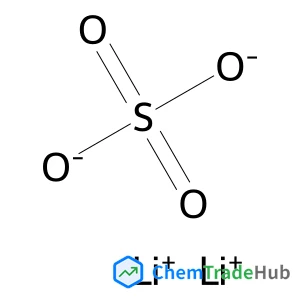
CAS Number
Related Products
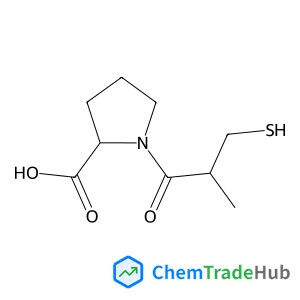
Captopril
CAS Number: 62571-86-2
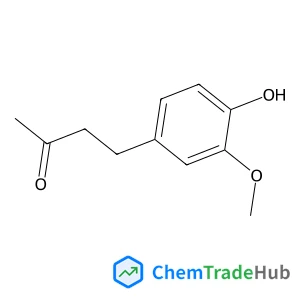
4-(4-Hydroxy-3-methoxyphenyl)-2-butanone
CAS Number: 122-48-5
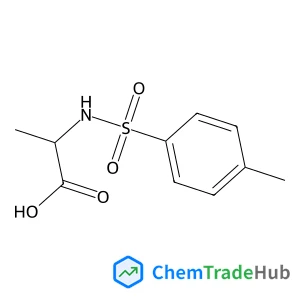
N-Tosyl-L-alanine
CAS Number: 21957-58-4
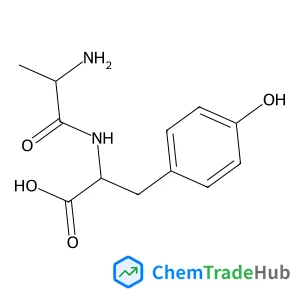
Alanyl-L-tyrosine
CAS Number: 3061-88-9
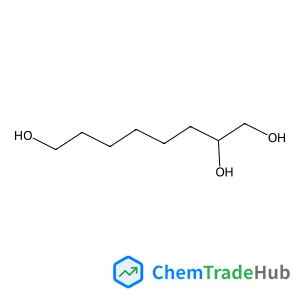
Octane-1,2,8-triol
CAS Number: 382631-43-8
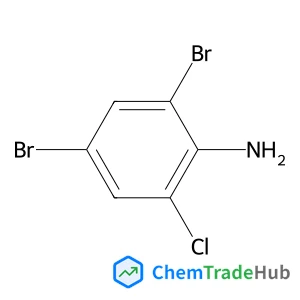
2,4-Dibromo-6-chloroaniline
CAS Number: 874-18-0
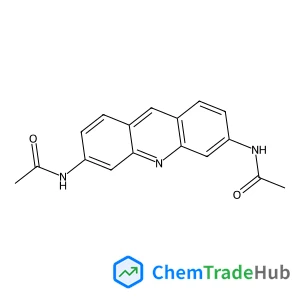
N,N'-3,6-Acridinediyldiacetamide
CAS Number: 15724-70-6
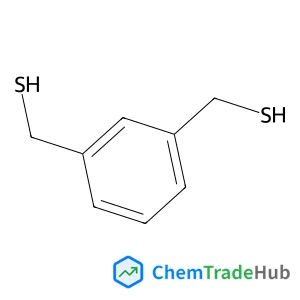
1,3-Phenylenedimethanethiol
CAS Number: 41563-69-3

Other Suppliers for Dilithium sulfate





Basic Information
Molecular Formula
Li2O4S
Molecular Weight
110 g/mol
Physical Properties
Melting Point
845 °C (lit.)
Water Solubility
25.7 g/100 mL (25 ºC)
Chemical Identifiers
SMILES
[Li+].[Li+].[O-]S(=O)(=O)[O-]
InChIKey
INHCSSUBVCNVSK-UHFFFAOYSA-L
Database References
MDL Number
MFCD00011086
FAQ
Dilithium sulfate is a chemical compound with the formula Li₂SO₄. It is a white, crystalline solid that is highly soluble in water. The compound is commonly used as a drying agent and in the production of other lithium compounds. Its properties include high thermal stability and a strong affinity for water, making it suitable for applications where moisture control is critical.
Dilithium sulfate is primarily used in the pharmaceutical industry for the synthesis of lithium salts and as a raw material in the production of lithium-based medications. It also finds applications in industrial processes, such as the manufacturing of ceramics and glass, and in laboratory research for analytical purposes. Additionally, it is used in some food-related applications as a stabilizer and in the preparation of other chemical compounds.
Dilithium sulfate is generally considered safe when handled properly. However, it should be treated with care as it can be harmful if inhaled, ingested, or comes into contact with skin. Protective measures such as gloves, goggles, and a well-ventilated workspace are recommended. Safety standards for handling this compound are typically aligned with those for other lithium salts, ensuring proper storage and use to minimize risks.
Dilithium sulfate should be stored in a cool, dry, and well-ventilated area, away from moisture and incompatible materials. It is typically kept in airtight containers to prevent exposure to air and humidity. The recommended storage temperature is below 25°C, and it should be protected from light to maintain its stability and quality over time.
Safety Notice
Please verify product specifications and safety data before use. Contact the supplier for detailed safety information.
Always follow proper handling procedures
Contact Information
Contact Person
Zhang Zeyuan
Sales-CN@TCIchemicals.com