



AD
1-Phenylcyclobutanecarbonitrile(CAS: 14377-68-5)
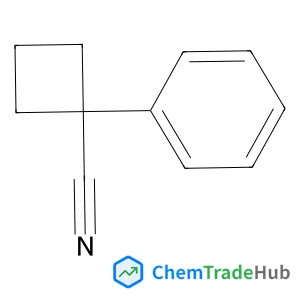
CAS Number
Related Products

Captopril
CAS Number: 62571-86-2

4-(4-Hydroxy-3-methoxyphenyl)-2-butanone
CAS Number: 122-48-5

N-Tosyl-L-alanine
CAS Number: 21957-58-4

Alanyl-L-tyrosine
CAS Number: 3061-88-9

Octane-1,2,8-triol
CAS Number: 382631-43-8

2,4-Dibromo-6-chloroaniline
CAS Number: 874-18-0
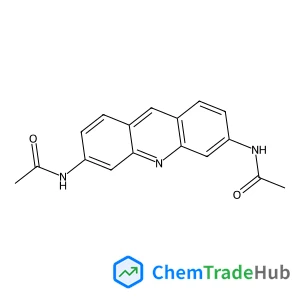
N,N'-3,6-Acridinediyldiacetamide
CAS Number: 15724-70-6

1,3-Phenylenedimethanethiol
CAS Number: 41563-69-3
Other Suppliers for 1-Phenylcyclobutanecarbonitrile





Basic Information
Molecular Formula
C11H11N
Molecular Weight
146.23 g/mol
Physical Properties
Boiling Point
85°C/0.3mmHg(lit.)
Flash Point
106.3℃
Chemical Identifiers
SMILES
C1CC(C1)(C#N)C2=CC=CC=C2
InChIKey
DHIDUDPFTZJPCQ-UHFFFAOYSA-N
Database References
MDL Number
MFCD00019258
FAQ
1-Phenylcyclobutanecarbonitrile (CAS 14377-68-5) should be handled according to the Globally Harmonized System of Classification and Labelling of Chemicals (GHS) guidelines. It must comply with REACH regulations in the EU, including notification of substances of very high concern (SVHC). In the US, it is also subject to FDA and EPA regulations, such as reporting requirements for toxic substances.
Alternative carbon nitriles that can be used in synthesis include 2-methylcyclopentanecarbonitrile and 3-phenylcyclohexanecarbonitrile. Isomeric structures like 1-cyclobutenecarbonitrile are also available. These analogs can serve as substitutes depending on the specific reaction conditions and desired properties.
The market for 1-Phenylcyclobutanecarbonitrile (CAS 14377-68-5) is driven by its use in pharmaceutical and agrochemical industries. Research trends focus on its application in medicinal chemistry and as a precursor in organic synthesis. With growing emphasis on sustainable chemistry, there is increasing interest in developing environmentally friendly synthesis routes for this compound.
Waste containing 1-Phenylcyclobutanecarbonitrile (CAS 14377-68-5) should be collected in appropriate containers and managed according to local regulations. For bulk waste, incineration is a common method, but professional waste disposal services are recommended. Environmental protection measures include proper ventilation and the use of personal protective equipment to prevent exposure and ensure safety during handling and disposal.
Safety Notice
Please verify product specifications and safety data before use. Contact the supplier for detailed safety information.
Always follow proper handling procedures
Contact Information
Contact Person
Zhang Zeyuan
Sales-CN@TCIchemicals.com