



AD
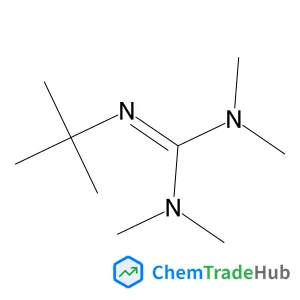
1,1,3,3-Tetramethyl-2-(2-methyl-2-propanyl)guanidine(CAS: 29166-72-1)
CAS Number
Related Products
![2-Naphthalenecarboxylic acid,3-hydroxy-4-[(2-hydroxy-4-sulfo-1-naphthalenyl)azo]-](https://static.chemtradehub.com/structs/373/3737-95-9-4fcb.webp)
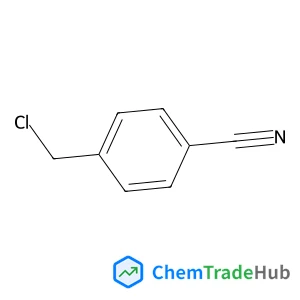
4-(Chloromethyl)benzonitrile
CAS Number: 874-86-2
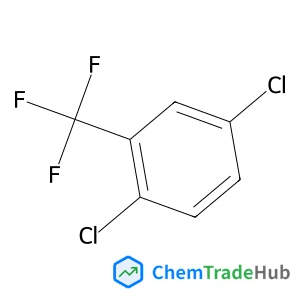
1,4-Dichloro-2-(trifluoromethyl)benzene
CAS Number: 320-50-3
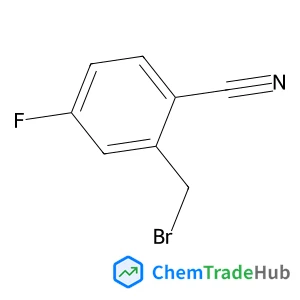
Alogliptin Impurity 60
CAS Number: 421552-12-7
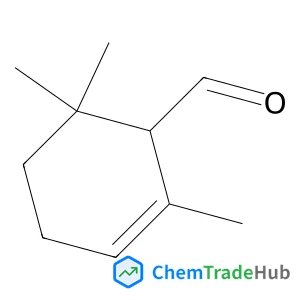
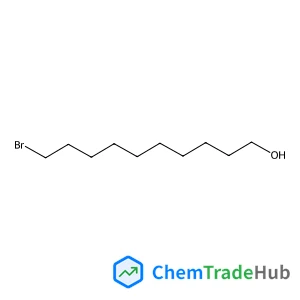
10-bromodecan-1-ol
CAS Number: 53463-68-6
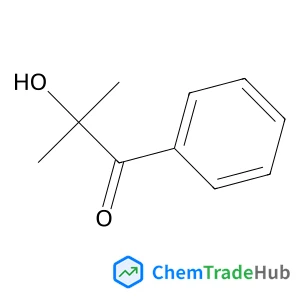
2-Hydroxy-2-benzoylpropane
CAS Number: 7473-98-5
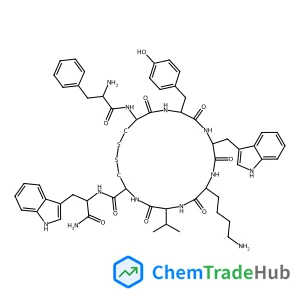
Vapreotide
CAS Number: 103222-11-3
Other Suppliers for 1,1,3,3-Tetramethyl-2-(2-methyl-2-propanyl)guanidine





Basic Information
Molecular Formula
C9H21N3
Molecular Weight
171.29 g/mol
Physical Properties
Boiling Point
88-89 °C/43 mmHg(lit.)
Chemical Identifiers
SMILES
CC(C)(C)N=C(N(C)C)N(C)C
InChIKey
YQHJFPFNGVDEDT-UHFFFAOYSA-N
Database References
MDL Number
MFCD01862972
FAQ
1,1,3,3-Tetramethyl-2-(2-methyl-2-propanyl)guanidine (CAS: 29166-72-1) is subject to regulatory guidelines such as GHS classification for hazardous chemicals, REACH in the European Union for registration, evaluation, authorization, and restriction of chemicals, and FDA/EPA requirements for use in food, drug, and environmental applications. Compliance with local and international regulations is essential for safe handling and disposal.
Several alternatives to 1,1,3,3-Tetramethyl-2-(2-methyl-2-propanyl)guanidine can be used in synthesis, including related guanidines and other amines. Common substitutes include trimethylguanidine and methylmorpholine. These alternatives offer similar functionalities but may have different reactivity and solubility characteristics, making them suitable for different synthesis scenarios.
The market and research trends for 1,1,3,3-Tetramethyl-2-(2-methyl-2-propanyl)guanidine are focused on its applications in pharmaceuticals, agrochemicals, and as a stabilizer in polymer solutions. Recent research has explored its potential in new formulations and applications. Market trends indicate increasing demand, particularly in the pharmaceutical industry, with ongoing efforts to optimize its use and expand its applications.
Waste containing 1,1,3,3-Tetramethyl-2-(2-methyl-2-propanyl)guanidine should be collected in appropriate containers and disposed of through professional waste disposal services. Incineration is a common method, but it must be conducted under controlled conditions to prevent release of harmful gases. Environmental protection precautions include using proper personal protective equipment (PPE) and ensuring compliance with local waste management regulations to minimize environmental impact.
Safety Notice
Please verify product specifications and safety data before use. Contact the supplier for detailed safety information.
Always follow proper handling procedures

Contact Information
1400818899@qq.com
Mobile
15107128801
Telephone
027-59223025
Fax
QQ联系更便捷。QQ:1400818899,微信同手机号
Visit Website
http://www.ss-bio.com