



AD
Allylbenzene(CAS: 300-57-2)
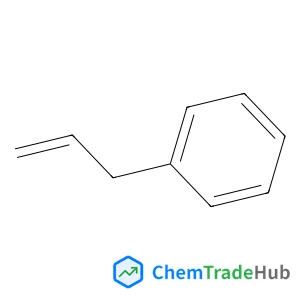
CAS Number
Related Products
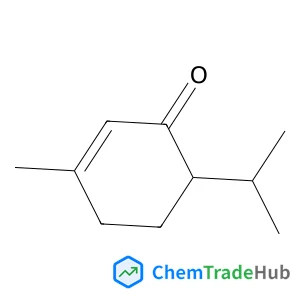
6-Isopropyl-3-methyl-2-cyclohexen-1-one
CAS Number: 89-81-6
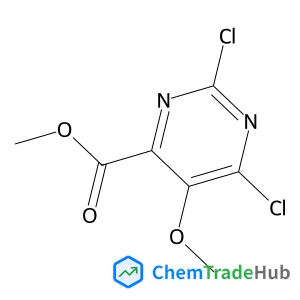
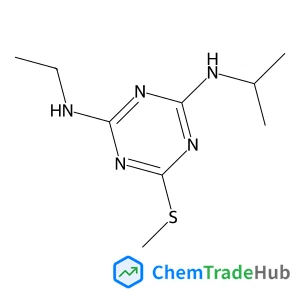
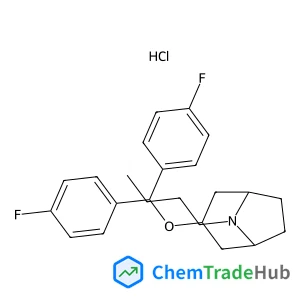
JHW 007 Hydrochloride
CAS Number: 202645-74-7
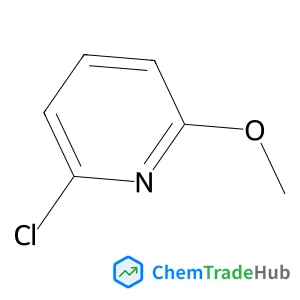
2-Chloro-6-methoxypyridine
CAS Number: 17228-64-7
![2-[(3,5-Difluoro-4-hydroxyphenyl)amino]-5,7-dimethyl-8-(3-methylbutyl)-7,8-dihydro-6(5H)-pteridinone](https://static.chemtradehub.com/structs/501/501437-28-1-d47c.webp)
![3-Bromo-6-(4-morpholinyl)imidazo[1,2-b]pyridazine](https://static.chemtradehub.com/structs/101/1012343-72-4-fe79.webp)
Other Suppliers for Allylbenzene


Basic Information
Molecular Formula
C9H10
Molecular Weight
118.18 g/mol
Physical Properties
Melting Point
557 °C
Boiling Point
155°C
Chemical Identifiers
SMILES
C=CCC1=CC=CC=C1
InChIKey
HJWLCRVIBGQPNF-UHFFFAOYSA-N
Database References
MDL Number
MFCD00008651
Beilstein Registry Number
1098501
FAQ
Allylbenzene (CAS: 300-57-2) is subject to various regulatory guidelines. In the United States, it is regulated by the EPA and OSHA. Under REACH in the EU, it requires registration based on its tonnage. For industrial use, it should comply with local safety data sheet (SDS) requirements. Additionally, it must adhere to OSHA’s Hazard Communication Standard and the Globally Harmonized System of Classification and Labelling of Chemicals (GHS) for proper labeling and handling.
There are several alternatives to allylbenzene (CAS: 300-57-2) in synthesis, depending on the desired application. Isomeric forms such as benzylbenzene or other aromatic derivatives can be used. Common alternatives include anisole and other substituted benzenes. These alternatives may offer similar functionalities but with different reactivity profiles, allowing for tailored synthesis strategies in various chemical processes.
The market for allylbenzene (CAS: 300-57-2) has shown steady growth with increasing demand in the fragrance industry. Research trends are focused on its use in developing eco-friendly and sustainable fragrance solutions. Additionally, there is growing interest in its role in polymer synthesis and as a precursor in the production of dyes and pharmaceuticals. The trend indicates a shift towards more versatile and environmentally friendly applications.
Waste containing allylbenzene (CAS: 300-57-2) should be managed carefully due to its flammability and potential toxicity. Proper waste collection should involve segregating the waste from other chemicals and ensuring it is stored in a secure, well-ventilated area. Incineration is a common method for disposal, provided it meets environmental and safety regulations. Alternatively, professional hazardous waste disposal services can handle the waste safely, ensuring compliance with local and international environmental standards.
Safety Notice
Please verify product specifications and safety data before use. Contact the supplier for detailed safety information.
Always follow proper handling procedures
Contact Information
2851717096@qq.com
Mobile
13311756052
Telephone
021-60536361 13311756052 13311756131
Visit Website
http://www.lbchem.cn/