



AD
N,N-Di(2-octanyl)acetamide(CAS: 77934-47-5)
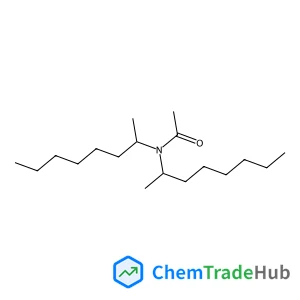
CAS Number
Related Products
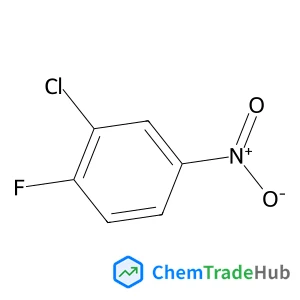
2-Chloro-1-fluoro-4-nitrobenzene
CAS Number: 350-30-1
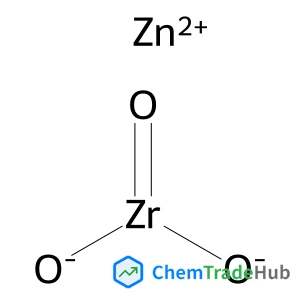
Zinc dioxido(oxo)zirconium
CAS Number: 53807-65-1
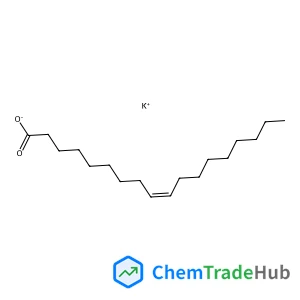
Potassium (9Z)-9-octadecenoate
CAS Number: 143-18-0
![5-[(2R)-2-(2,5-Difluorophenyl)-1-pyrrolidinyl]pyrazolo[1,5-a]pyrimidin-3-amine](https://static.chemtradehub.com/structs/122/1223404-88-3-f8cd.webp)
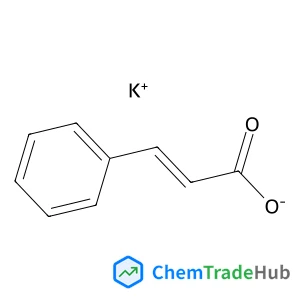
Potassium (2E)-3-phenylacrylate
CAS Number: 16089-48-8
![N-{[2,5-Dichloro-4-(1,1,2,3,3,3-hexafluoropropoxy)phenyl]carbamoyl}-2,6-difluorobenzamide](https://static.chemtradehub.com/structs/103/103055-07-8-c079.webp)
Other Suppliers for N,N-Di(2-octanyl)acetamide




Basic Information
Molecular Formula
C18H37NO
Molecular Weight
283.5 g/mol
Chemical Identifiers
SMILES
CCCCCCC(C)N(C(C)CCCCCC)C(=O)C
InChIKey
RTTCFFTVCUNXLX-UHFFFAOYSA-N
Database References
FAQ
N,N-Di(2-octanyl)acetamide (CAS: 77934-47-5) falls under the regulatory guidelines of the Globally Harmonized System of Classification and Labeling of Chemicals (GHS), which includes classification for flammability, skin irritation, and eye irritation. In the European Union, it is regulated under REACH, which requires registration of substances above one tonne per year. Additionally, the FDA and EPA may have specific guidelines for its use and disposal in the manufacturing and industrial sectors.
There are several alternatives to N,N-Di(2-octanyl)acetamide (CAS: 77934-47-5) in synthesis, such as N,N-dioctylacetamide and N,N-di(2-ethylhexyl)acetamide. These alternatives offer similar properties and can be used as substitutes depending on the specific application and requirements. Other alternatives include using different amides or esters with varying chain lengths or substituents.
The market for N,N-Di(2-octanyl)acetamide (CAS: 77934-47-5) is driven by its use in various applications such as solvents, plasticizers, and lubricants. Recent research trends focus on the development of eco-friendly and biodegradable alternatives. The trend also includes exploring its potential in new areas such as personal care products and industrial cleaning agents. Market demand is expected to grow as industries seek sustainable solutions and new applications are discovered.
Waste containing N,N-Di(2-octanyl)acetamide (CAS: 77934-47-5) should be collected in appropriate containers and stored in a well-ventilated area away from sources of ignition. It should be neutralized if necessary, and then disposed of through professional waste disposal services. Consideration should be given to incineration or chemical treatment methods that meet regulatory requirements. Environmental protection precautions include ensuring no spillage and using protective gear during handling and disposal to prevent exposure and contamination.
Safety Notice
Please verify product specifications and safety data before use. Contact the supplier for detailed safety information.
Always follow proper handling procedures
Contact Information
Contact Person
Miss Wu
504149541@qq.com