



AD
6-Bromo-3-fluoro-2-methylpyridine(CAS: 374633-38-2)

CAS Number
Related Products
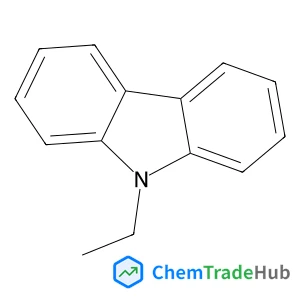
9-Ethyl-9H-carbazole
CAS Number: 86-28-2

(4-Propoxyphenyl)boronic acid
CAS Number: 186497-67-6

4-Fluoro-3-(trifluoromethyl)aniline
CAS Number: 2357-47-3
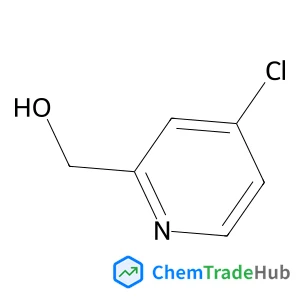
(4-Chloro-2-pyridinyl)methanol
CAS Number: 63071-10-3
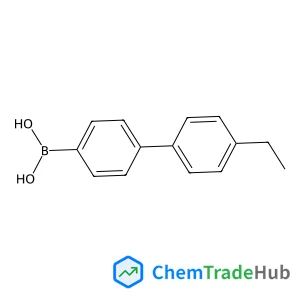
(4'-Ethyl-4-biphenylyl)boronic acid
CAS Number: 153035-62-2
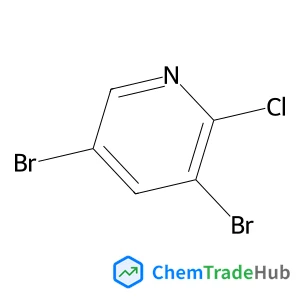
3,5-Dibromo-2-chloropyridine
CAS Number: 40360-47-2

4-Fluoro-2-nitrobenzoic acid
CAS Number: 394-01-4
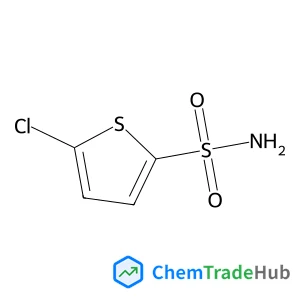
5-Chloro-2-thiophenesulfonamide
CAS Number: 53595-66-7

Other Suppliers for 6-Bromo-3-fluoro-2-methylpyridine






Basic Information
Molecular Formula
C6H5BrFN
Molecular Weight
190.02 g/mol
Physical Properties
Melting Point
66-69°C
Boiling Point
183.4℃ at 760 mmHg
Chemical Identifiers
SMILES
CC1=C(C=CC(=N1)Br)F
InChIKey
BFQONZCQHGIKIY-UHFFFAOYSA-N
Database References
MDL Number
MFCD03095064
FAQ
6-Bromo-3-fluoro-2-methylpyridine (CAS: 374633-38-2) falls under the scope of the REACH regulations for chemical substances. It must comply with the Globally Harmonized System of Classification and Labeling of Chemicals (GHS) for hazardous substances. FDA and EPA regulations may also apply for its use in pharmaceuticals and agricultural products, respectively. Ensure proper labeling and documentation as per these guidelines.
Alternatives to 6-Bromo-3-fluoro-2-methylpyridine include similar heterocyclic compounds like 6-chloro-3-fluoro-2-methylpyridine or 6-iodo-3-fluoro-2-methylpyridine. In synthesis, common reagents such as bromine and fluoroacetic acid can be substituted with safer equivalents like trifluoroacetic anhydride for improved safety and efficiency.
6-Bromo-3-fluoro-2-methylpyridine is gaining traction in the pharmaceutical and agrochemical industries due to its potential in synthesizing bioactive compounds. Research trends focus on its use as an intermediate in drug development and pesticide formulations. Market analysis shows increasing demand, driven by emerging applications and favorable regulatory advancements.
Waste containing 6-Bromo-3-fluoro-2-methylpyridine should be collected in appropriate, labeled containers and stored in a cool, well-ventilated area away from incompatible materials. For disposal, contact a licensed hazardous waste management company. Ensure incineration or chemical treatment methods are used to minimize environmental impact, and follow all local and international environmental protection regulations.
Safety Notice
Please verify product specifications and safety data before use. Contact the supplier for detailed safety information.
Always follow proper handling procedures