



AD
3-Phenyl-2-propynoic acid(CAS: 637-44-5)
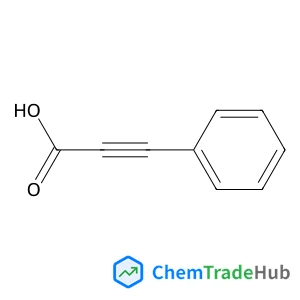
CAS Number
Related Products
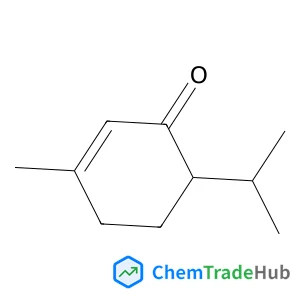
6-Isopropyl-3-methyl-2-cyclohexen-1-one
CAS Number: 89-81-6
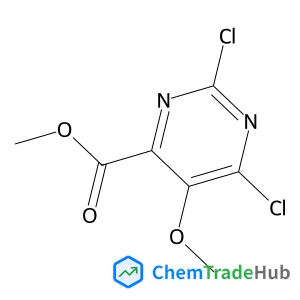
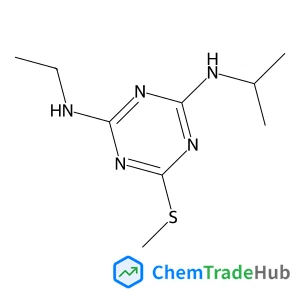
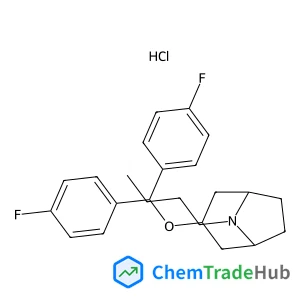
JHW 007 Hydrochloride
CAS Number: 202645-74-7
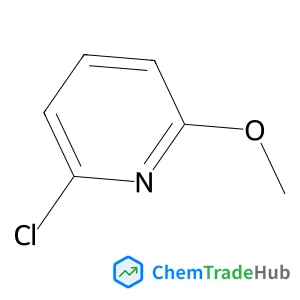
2-Chloro-6-methoxypyridine
CAS Number: 17228-64-7
![2-[(3,5-Difluoro-4-hydroxyphenyl)amino]-5,7-dimethyl-8-(3-methylbutyl)-7,8-dihydro-6(5H)-pteridinone](https://static.chemtradehub.com/structs/501/501437-28-1-d47c.webp)
![3-Bromo-6-(4-morpholinyl)imidazo[1,2-b]pyridazine](https://static.chemtradehub.com/structs/101/1012343-72-4-fe79.webp)
Other Suppliers for 3-Phenyl-2-propynoic acid





Basic Information
Molecular Formula
C9H6O2
Molecular Weight
60.05 g/mol
Physical Properties
Melting Point
137.0 to 140.0 deg-C
Boiling Point
302.6°C at 760 mmHg
Density
1.1674 (rough estimate)
Flash Point
151.0±16.9 °C
Chemical Identifiers
SMILES
C1=CC=C(C=C1)C#CC(=O)O
InChIKey
XNERWVPQCYSMLC-UHFFFAOYSA-N
Database References
MDL Number
MFCD00004361
Beilstein Registry Number
742587
FAQ
3-Phenyl-2-propynoic acid (CAS: 637-44-5) is subject to various regulatory guidelines. It is classified under the Globally Harmonized System of Classification and Labeling of Chemicals (GHS) as a class 8 corrosive. In the European Union, it falls under the Registration, Evaluation, Authorization and Restriction of Chemicals (REACH) regulation, requiring suppliers to register the substance and provide safety data sheets. For use in the United States, the Food and Drug Administration (FDA) and the Environmental Protection Agency (EPA) have specific requirements for handling and labeling. These guidelines ensure proper safety, handling, and environmental protection.
There are several alternatives to 3-Phenyl-2-propynoic acid (CAS: 637-44-5) in synthesis, including other carboxylic acids and propynoic acid derivatives. Common alternatives include benzoic acid, acetylenedicarboxylic acid, and 2-bromopropynoic acid. These alternatives can vary in reactivity and availability, but they serve similar functions in organic synthesis and can be chosen based on specific reaction conditions and desired product properties.
The market for 3-Phenyl-2-propynoic acid (CAS: 637-44-5) is driven by its applications in pharmaceuticals, agrochemicals, and research, particularly in the development of anti-inflammatory and anti-cancer drugs. Research trends indicate a focus on its use in medicinal chemistry and as a building block for complex molecule synthesis. The demand is expected to grow due to increasing interest in its biological activity and potential for drug development, alongside price stabilization as production scales up.
Waste containing 3-Phenyl-2-propynoic acid (CAS: 637-44-5) should be handled in accordance with local waste management regulations. Generally, it should be collected in appropriate containers and stored separately to prevent contamination. For disposal, it is recommended to incinerate the waste at a licensed facility or use a professional waste disposal service. Precautions include ensuring that the waste is neutralized if necessary and that all handlers are trained in safe waste management practices to prevent environmental contamination and ensure worker safety.
Safety Notice
Please verify product specifications and safety data before use. Contact the supplier for detailed safety information.
Always follow proper handling procedures
Contact Information
2851717096@qq.com
Mobile
13311756052
Telephone
021-60536361 13311756052 13311756131
Visit Website
http://www.lbchem.cn/