



AD
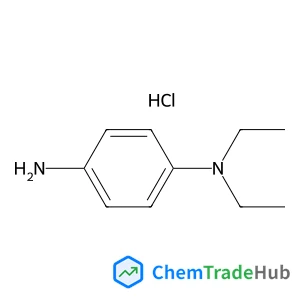
N,N-Diethyl-1,4-benzenediamine(CAS: 2198-58-5)
CAS Number
Related Products
![2-Methyl-2-propanyl [(2R)-1-hydroxy-2-propanyl]carbamate](https://static.chemtradehub.com/structs/106/106391-86-0-8397.webp)

3-Bromo-2,2-bis(bromomethyl)-1-propanol
CAS Number: 1522-92-5
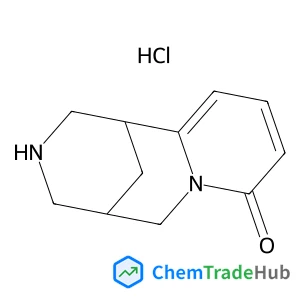
Cytisine hydrochloride
CAS Number: 6047-01-4
Atorvastatin Impurity 55
CAS Number: 141942-85-0
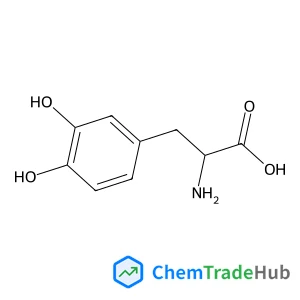
3-Hydroxy-D-tyrosine
CAS Number: 5796-17-8
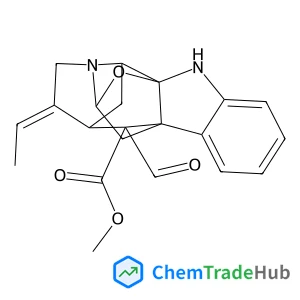
Picralinal
CAS Number: 20045-06-1
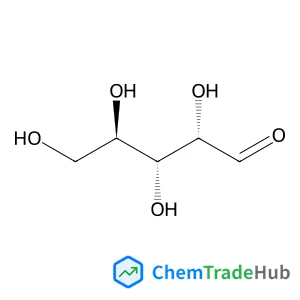
D-Arabinose
CAS Number: 9032-75-1
![(3aS,9R,9aS,9bS)-9-Hydroxy-6,9-dimethyl-3-methylene-3a,4,5,7,8,9,9a,9b-octahydroazuleno[4,5-b]furan-2(3H)-one](https://static.chemtradehub.com/structs/683/68370-47-8-daf4.webp)
Other Suppliers for N,N-Diethyl-1,4-benzenediamine







Basic Information
Molecular Formula
C10H16N2
Molecular Weight
200.71 g/mol
Physical Properties
Melting Point
222-223 ºC
Boiling Point
281.73°C (rough estimate)
Chemical Identifiers
SMILES
CCN(CC)C1=CC=C(C=C1)N.Cl
InChIKey
QNGVNLMMEQUVQK-UHFFFAOYSA-N
Database References
MDL Number
MFCD00035501
FAQ
N,N-Diethyl-1,4-benzenediamine (CAS: 2198-58-5) is a colorless oil with a molecular weight of 166.23 g/mol. It has a specific gravity of 0.975 g/cm³ and is poorly soluble in water but readily soluble in organic solvents like ethanol and acetone. This compound is mildly basic and stable under normal conditions but can react with strong acids or oxidizing agents.
N,N-Diethyl-1,4-benzenediamine is commonly synthesized through the reaction of 1,4-diaminobenzene with diethylamine. The reaction is performed under anhydrous conditions and at elevated temperatures. Catalysts such as p-toluenesulfonic acid are often used to enhance the reaction rate and improve yield. The overall yield is typically around 90%, and the product can be purified by distillation.
N,N-Diethyl-1,4-benzenediamine is predominantly used in the pharmaceutical and polymer industries. It serves as a precursor for the synthesis of various drugs and is also employed in the manufacture of polyurethane and polyamide resins. Additionally, it is utilized in the production of sensors for detecting aromatic amines and in semiconductor fabrication as a dopant.
When handling N,N-Diethyl-1,4-benzenediamine (CAS: 2198-58-5), it is essential to wear appropriate personal protective equipment (PPE) including safety glasses, gloves, and a lab coat. Work should be conducted in a well-ventilated area or with the use of a fume hood to minimize inhalation risks. Spills should be cleaned up carefully by neutralizing with a suitable base and disposing of the waste according to local regulations. Always refer to the safety data sheet (SDS) for detailed handling instructions.
Safety Notice
Please verify product specifications and safety data before use. Contact the supplier for detailed safety information.
Always follow proper handling procedures
Contact Information
2423903095@qq.com