



AD
L-Glucitol(CAS: 6706-59-8)
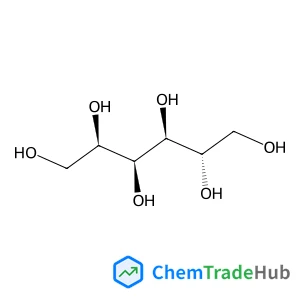
CAS Number
Related Products
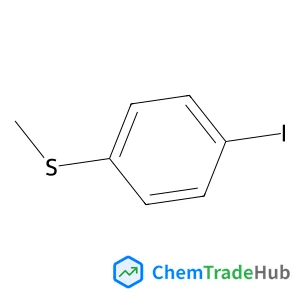
1-Iodo-4-(methylsulfanyl)benzene
CAS Number: 35371-03-0
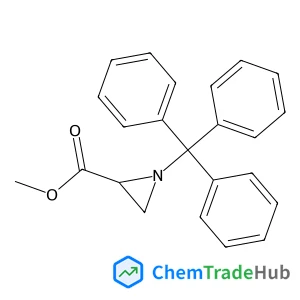
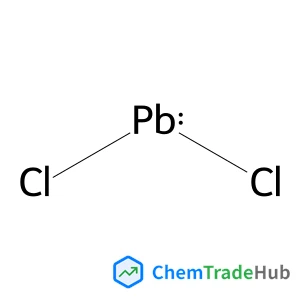
Dichloro-lambda~2~-plumbane
CAS Number: 7758-95-4
PUMICE STONE
CAS Number: 1332-09-8
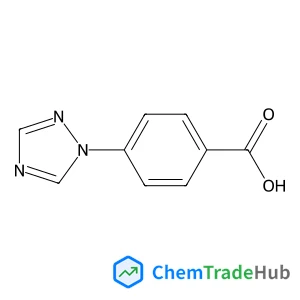
4-(1H-1,2,4-Triazol-1-yl)benzoic acid
CAS Number: 162848-16-0
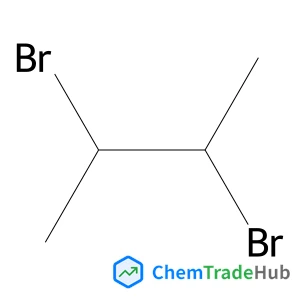
2,3-Dibromobutane
CAS Number: 5408-86-6
SOYBEAN MEAL
CAS Number: 68308-36-1
![2-Chloro-N-[2-(2,6-dioxo-3-piperidinyl)-1,3-dioxo-2,3-dihydro-1H-isoindol-4-yl]acetamide](https://static.chemtradehub.com/structs/444/444287-84-7-fa4b.webp)
Other Suppliers for L-Glucitol







Basic Information
Molecular Formula
C6H14O6
Molecular Weight
182.17 g/mol
Physical Properties
Melting Point
91°C(lit.)
Boiling Point
494.9°C at 760 mmHg
Density
1.596
Flash Point
292.5°C
Chemical Identifiers
SMILES
OC[C@H](O)[C@H](O)[C@@H](O)[C@H](O)CO
InChIKey
FBPFZTCFMRRESA-FSIIMWSLSA-N
Database References
MDL Number
MFCD00191490
FAQ
L-Glucitol (CAS: 6706-59-8) is subject to the Globally Harmonized System (GHS) for classification and labeling of chemicals. It also falls under the European Union’s Registration, Evaluation, Authorization and Restriction of Chemicals (REACH) regulation. In the United States, the U.S. EPA and FDA may require reporting and registration, particularly for commercial and industrial uses. Compliance with local and national regulations is essential for handling and disposal.
Alternatives to L-Glucitol (CAS: 6706-59-8) in synthesis include reducing sugars like sorbitol, as well as other polyols such as mannitol. These can be used depending on the specific reaction requirements and desired properties of the final product. Isomers and analogs of L-Glucitol may also serve as viable alternatives in certain synthetic routes.
The market for L-Glucitol (CAS: 6706-59-8) is growing, driven by its applications in food additives, pharmaceuticals, and biodegradable plastics. Research trends focus on its use in diabetes management, wound healing, and as a natural sweetener. The compound is also being explored for its antioxidant and anti-inflammatory properties. Market demand is expected to increase with ongoing developments in biotechnology and consumer health concerns.
Waste containing L-Glucitol (CAS: 6706-59-8) should be collected in appropriate containers and stored separately to prevent contamination. Safe disposal methods include incineration or professional waste disposal services. Environmental protection measures, such as minimizing spillage and ensuring proper labeling, are crucial. Compliance with local hazardous waste regulations is mandatory to avoid environmental harm.
Safety Notice
Please verify product specifications and safety data before use. Contact the supplier for detailed safety information.
Always follow proper handling procedures
Contact Information
Contact Person
Ludu
order@canspecsci.com