



AD
3-(6-methylpyridin-2-yl)-N-phenyl-4-(quinolin-4-yl)-1H-pyrazole-1-carbothioamide(CAS: 909910-43-6)
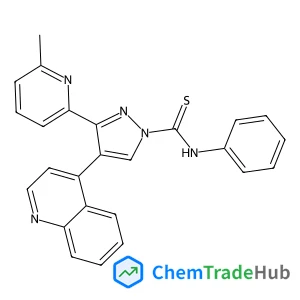
CAS Number
Related Products
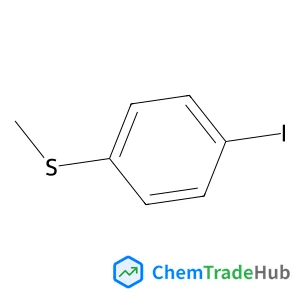
1-Iodo-4-(methylsulfanyl)benzene
CAS Number: 35371-03-0
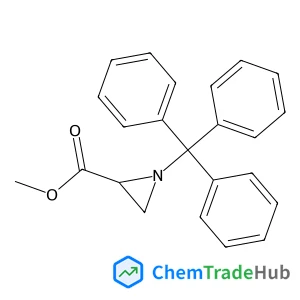
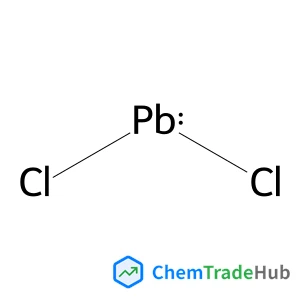
Dichloro-lambda~2~-plumbane
CAS Number: 7758-95-4
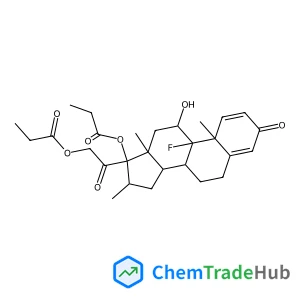
PUMICE STONE
CAS Number: 1332-09-8
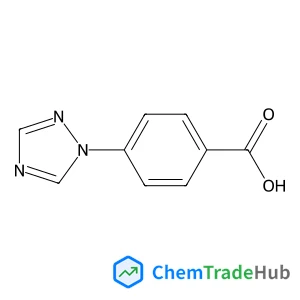
4-(1H-1,2,4-Triazol-1-yl)benzoic acid
CAS Number: 162848-16-0

2,3-Dibromobutane
CAS Number: 5408-86-6
SOYBEAN MEAL
CAS Number: 68308-36-1
![2-Chloro-N-[2-(2,6-dioxo-3-piperidinyl)-1,3-dioxo-2,3-dihydro-1H-isoindol-4-yl]acetamide](https://static.chemtradehub.com/structs/444/444287-84-7-fa4b.webp)
Other Suppliers for 3-(6-methylpyridin-2-yl)-N-phenyl-4-(quinolin-4-yl)-1H-pyrazole-1-carbothioamide





Basic Information
Molecular Formula
C25H19N5S
Molecular Weight
421.53 g/mol
Physical Properties
Melting Point
111℃
Boiling Point
590°C at 760 mmHg
Density
1.27
Flash Point
310.6°C
Chemical Identifiers
SMILES
CC1=NC(=CC=C1)C2=NN(C=C2C3=CC=NC4=CC=CC=C34)C(=S)NC5=CC=CC=C5
InChIKey
HIJMSZGHKQPPJS-UHFFFAOYSA-N
Database References
MDL Number
MFCD08705403
FAQ
This compound is subject to GHS classification, REACH regulations, and FDA/EPA requirements. It should be handled in compliance with the Globally Harmonized System of Classification and Labeling of Chemicals (GHS), which includes specific hazard communication and label elements. REACH regulations require safety data sheets (SDS) and classification according to the substance's characteristics. Additionally, FDA and EPA may have specific guidelines for its use, storage, and disposal to ensure environmental and occupational safety.
There are alternative reagents and synthetic approaches that can be used, such as analogs like 3-(6-ethylpyridin-2-yl)-N-phenyl-4-(quinolin-4-yl)-1H-pyrazole-1-carbothioamide or isomers. These alternatives can offer similar or improved properties and may be easier to synthesize or handle. Common substitute solutions include using different functional groups or modifying the chemical structure to achieve the desired properties while maintaining the overall framework of the compound.
The market and research trends for this compound are focused on its potential applications in pharmaceuticals and agriculture. Recent studies suggest its use as an antimicrobial and antitumor agent. Research is also exploring its role as a potential analgesic and anti-inflammatory compound. Price trends indicate a steady demand, driven by growing interest in its therapeutic applications. Emerging research fields include optimization of its synthesis, formulation, and bioavailability to enhance its efficacy and reduce side effects.
Waste containing this compound should be managed according to the waste disposal regulations and guidelines applicable in the region. It is important to collect the waste in appropriate containers and ensure proper labeling. For disposal, incineration or professional waste disposal services should be utilized. Environmental protection precautions include ensuring that the waste does not contaminate soil or water sources during collection and disposal. It is recommended to consult local authorities and follow hazardous waste management practices to minimize environmental impact.
Safety Notice
Please verify product specifications and safety data before use. Contact the supplier for detailed safety information.
Always follow proper handling procedures
Contact Information
Contact Person
Ludu
order@canspecsci.com