



AD
ethyl 4-bromo-3-oxobutanoate(CAS: 13176-46-0)
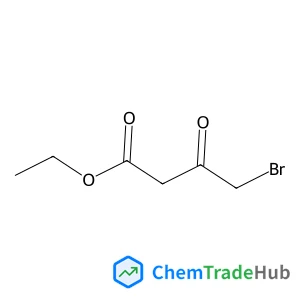
CAS Number
Related Products
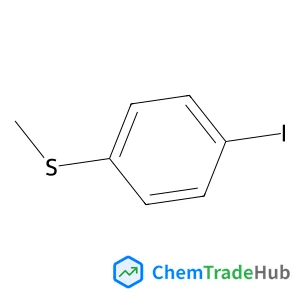
1-Iodo-4-(methylsulfanyl)benzene
CAS Number: 35371-03-0
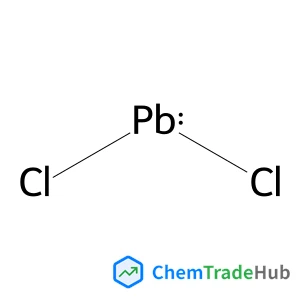
Dichloro-lambda~2~-plumbane
CAS Number: 7758-95-4
PUMICE STONE
CAS Number: 1332-09-8
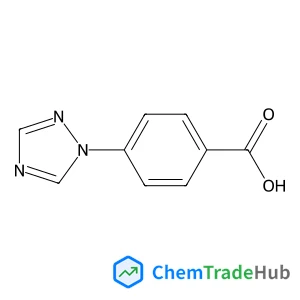
4-(1H-1,2,4-Triazol-1-yl)benzoic acid
CAS Number: 162848-16-0
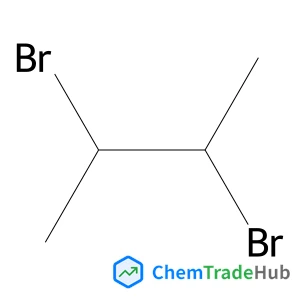
2,3-Dibromobutane
CAS Number: 5408-86-6
SOYBEAN MEAL
CAS Number: 68308-36-1
![2-Chloro-N-[2-(2,6-dioxo-3-piperidinyl)-1,3-dioxo-2,3-dihydro-1H-isoindol-4-yl]acetamide](https://static.chemtradehub.com/structs/444/444287-84-7-fa4b.webp)
Other Suppliers for ethyl 4-bromo-3-oxobutanoate



Basic Information
Molecular Formula
C6H9BrO3
Molecular Weight
209.04 g/mol
Physical Properties
Boiling Point
231.6 ºC
Chemical Identifiers
SMILES
CCOC(=O)CC(=O)CBr
InChIKey
MGDWUTQKXCZNAJ-UHFFFAOYSA-N
Database References
MDL Number
MFCD07783015
FAQ
Ethyl 4-bromo-3-oxobutanoate (CAS: 13176-46-0) falls under the scope of the Globally Harmonized System of Classification and Labelling of Chemicals (GHS), which classifies it as a hazardous substance due to its bromine content. For production, import, and use, it must comply with the REACH regulations in the European Union, ensuring that all downstream users are informed of its hazardous properties. Additionally, the FDA and EPA have specific requirements for handling and disposing of this compound under U.S. law, particularly concerning its potential environmental impact and human health risks.
In the synthesis of similar compounds, ethyl 4-bromo-3-oxobutanoate (CAS: 13176-46-0) can be replaced by other brominated precursors such as ethyl 3-bromovalerate. Isomers like ethyl 4-bromo-3-methylbutanoate are also available. Common alternative reagents include bromoacetic acid and its derivatives. These alternatives may offer similar functionality but with different reactivity and toxicity profiles, allowing for tailor-made synthetic strategies.
The market for ethyl 4-bromo-3-oxobutanoate (CAS: 13176-46-0) is driven by its applications in pharmaceuticals, agrochemicals, and fine chemicals where bromine-containing compounds are critical. Recent research trends focus on its use in drug discovery and development, particularly in the synthesis of intermediates for antiviral and anticancer drugs. However, due to its toxicity and environmental concerns, there is a growing interest in developing more sustainable and less hazardous alternatives.
Waste containing ethyl 4-bromo-3-oxobutanoate (CAS: 13176-46-0) should be managed with caution to prevent environmental contamination. It is recommended to collect in appropriate containers and incinerate in a controlled environment to minimize the release of brominated volatile organic compounds. For large quantities or hazardous waste, professional waste disposal services should be utilized. Proper handling and disposal procedures should follow local and international regulations to ensure safety and compliance with environmental standards.
Safety Notice
Please verify product specifications and safety data before use. Contact the supplier for detailed safety information.
Always follow proper handling procedures
Contact Information
Contact Person
Ludu
order@canspecsci.com