



AD
4-(2-{[4-(4-Hydroxyphenyl)-2-butanyl]amino}ethyl)-1,2-benzenediol hydrochloride (1:1)(CAS: 49745-95-1)
![4-(2-{[4-(4-Hydroxyphenyl)-2-butanyl]amino}ethyl)-1,2-benzenediol hydrochloride (1:1)](https://static.chemtradehub.com/structs/497/49745-95-1-6c60.webp "4-(2-{[4-(4-Hydroxyphenyl)-2-butanyl]amino}ethyl)-1,2-benzenediol hydrochloride (1:1)")
CAS Number
Related Products
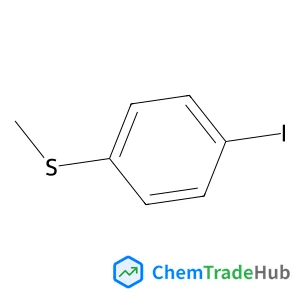
1-Iodo-4-(methylsulfanyl)benzene
CAS Number: 35371-03-0
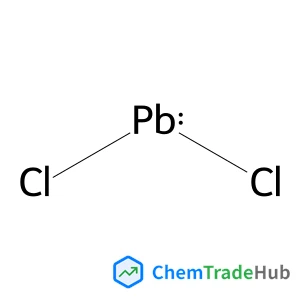
Dichloro-lambda~2~-plumbane
CAS Number: 7758-95-4
PUMICE STONE
CAS Number: 1332-09-8
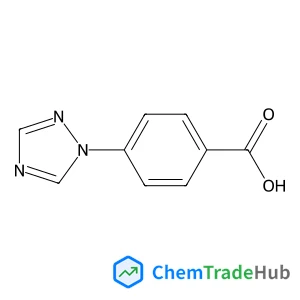
4-(1H-1,2,4-Triazol-1-yl)benzoic acid
CAS Number: 162848-16-0
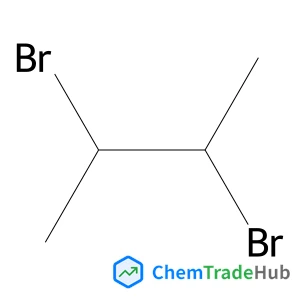
2,3-Dibromobutane
CAS Number: 5408-86-6
SOYBEAN MEAL
CAS Number: 68308-36-1
![2-Chloro-N-[2-(2,6-dioxo-3-piperidinyl)-1,3-dioxo-2,3-dihydro-1H-isoindol-4-yl]acetamide](https://static.chemtradehub.com/structs/444/444287-84-7-fa4b.webp)
Other Suppliers for 4-(2-{[4-(4-Hydroxyphenyl)-2-butanyl]amino}ethyl)-1,2-benzenediol hydrochloride (1:1)
![4-(2-{[4-(4-Hydroxyphenyl)-2-butanyl]amino}ethyl)-1,2-benzenediol hydrochloride (1:1) — ShenZhenZhenJiangShengWuJiShu Co Ltd](https://static.chemtradehub.com/suppliers/67cec9142b2de6e8e95a51e7/67cec9142b2de6e8e95a51e7-logo.webp)
![4-(2-{[4-(4-Hydroxyphenyl)-2-butanyl]amino}ethyl)-1,2-benzenediol hydrochloride (1:1) — HePeng ( ShangHai ) Biotechnology Co Ltd](https://static.chemtradehub.com/suppliers/67ceccf22b2de6e8e95a5e0f/67ceccf22b2de6e8e95a5e0f-logo.webp)
![4-(2-{[4-(4-Hydroxyphenyl)-2-butanyl]amino}ethyl)-1,2-benzenediol hydrochloride (1:1) — TianMenHengChang Chemical Co Ltd](https://static.chemtradehub.com/suppliers/67cecc092b2de6e8e95a5bbe/67cecc092b2de6e8e95a5bbe-logo.webp)
![4-(2-{[4-(4-Hydroxyphenyl)-2-butanyl]amino}ethyl)-1,2-benzenediol hydrochloride (1:1) — ShangHaiYiJiShengWuKeJiYouXianGongSiXiaoShouBu](https://static.chemtradehub.com/suppliers/67cecfe92b2de6e8e95a656d/67cecfe92b2de6e8e95a656d-logo.webp)
Basic Information
Molecular Formula
C18H24ClNO3
Molecular Weight
337.85 g/mol
Physical Properties
Melting Point
184-186 C
Water Solubility
Soluble in water or ethanol with warming. Also soluble in methanol
Chemical Identifiers
SMILES
CC(CCC1=CC=C(C=C1)O)NCCC2=CC(=C(C=C2)O)O.Cl
InChIKey
BQKADKWNRWCIJL-UHFFFAOYSA-N
Database References
MDL Number
MFCD00153795
FAQ
This compound is subject to regulatory guidelines under the Globally Harmonized System of Classification and Labelling of Chemicals (GHS), REACH regulations in the EU, and FDA and EPA requirements in the US. Specific hazard categories include skin irritation, eye irritation, and corrosivity. Manufacturers and importers must ensure compliance with registration, evaluation, authorization, and restriction of chemicals under REACH. Additionally, FDA may require approval for pharmaceutical use, and EPA oversight may be necessary for environmental concerns.
Synthetic alternatives include using isomers or analogs such as 4-(2-{[3-(4-Hydroxyphenyl)-2-butanyl]amino}ethyl)-1,2-benzenediol hydrochloride. Other reagents, like substituted amines or benzenediols, may also serve as viable alternatives depending on the specific reaction conditions and desired product properties. These alternatives can offer similar functional groups for further chemical modifications or can be chosen based on lower toxicity and better biocompatibility.
Market trends for this compound are driven by its potential applications in pharmaceuticals, cosmetics, and research. Growing interest in natural and biocompatible materials is leading to increased exploration of its use as a skin care ingredient. Research trends focus on its anti-inflammatory and antioxidant properties, with ongoing studies investigating its efficacy in various biomedical applications. Price trends may fluctuate based on production costs and demand, with potential for increased pricing due to its specialized use in niche markets.
Waste containing this compound should be collected in appropriate containers and handled according to local regulations. For disposal, incineration is a common method, but professional waste disposal services ensure compliance with environmental protection standards. Precautions include neutralizing acidic waste before disposal to prevent environmental harm. Professionals should be consulted for proper handling and disposal to ensure safety and regulatory compliance.
Safety Notice
Please verify product specifications and safety data before use. Contact the supplier for detailed safety information.
Always follow proper handling procedures
Contact Information
Contact Person
Ludu
order@canspecsci.com