



AD
3-Bromo-2-chloro-6-methyl-5-nitropyridine(CAS: 856834-95-2)
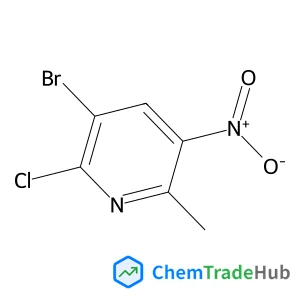
CAS Number
Related Products
![2-Methyl-2-propanyl [(2R)-1-hydroxy-2-propanyl]carbamate](https://static.chemtradehub.com/structs/106/106391-86-0-8397.webp)

3-Bromo-2,2-bis(bromomethyl)-1-propanol
CAS Number: 1522-92-5
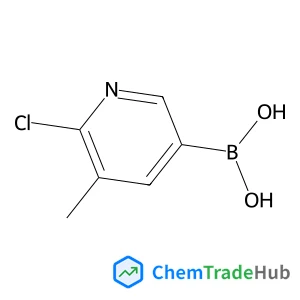

Cytisine hydrochloride
CAS Number: 6047-01-4

Atorvastatin Impurity 55
CAS Number: 141942-85-0

3-Hydroxy-D-tyrosine
CAS Number: 5796-17-8
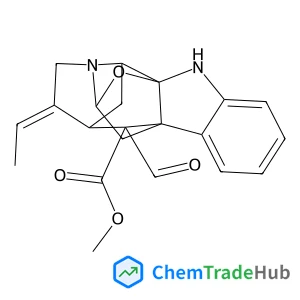
Picralinal
CAS Number: 20045-06-1

D-Arabinose
CAS Number: 9032-75-1
![(3aS,9R,9aS,9bS)-9-Hydroxy-6,9-dimethyl-3-methylene-3a,4,5,7,8,9,9a,9b-octahydroazuleno[4,5-b]furan-2(3H)-one](https://static.chemtradehub.com/structs/683/68370-47-8-daf4.webp)
Other Suppliers for 3-Bromo-2-chloro-6-methyl-5-nitropyridine







Basic Information
Molecular Formula
C6H4BrClN2O2
Molecular Weight
251.47 g/mol
Physical Properties
Melting Point
88-90°C
Boiling Point
296℃
Density
1.81
Flash Point
133℃
Chemical Identifiers
SMILES
Cc1nc(Cl)c(Br)cc1[N+](=O)[O-]
InChIKey
WKGHUAZJNBXABN-UHFFFAOYSA-N
Database References
MDL Number
MFCD09839270
FAQ
3-Bromo-2-chloro-6-methyl-5-nitropyridine (CAS: 856834-95-2) is subject to regulatory guidelines under the Globally Harmonized System of Classification and Labelling of Chemicals (GHS), REACH regulations, and FDA/EPA related requirements. Users must ensure compliance with local and international regulations regarding its handling, storage, and disposal.
Are there alternatives to 3-Bromo-2-chloro-6-methyl-5-nitropyridine (CAS: 856834-95-2) in synthesis?
Alternatives to 3-Bromo-2-chloro-6-methyl-5-nitropyridine (CAS: 856834-95-2) in synthesis include other heterocyclic compounds such as pyridinium salts or related nitro compounds. These alternatives can offer similar chemical functionalities but with different structural features and reactivity profiles.
The market for 3-Bromo-2-chloro-6-methyl-5-nitropyridine (CAS: 856834-95-2) is driven by its use in pharmaceuticals and agrochemicals. Research trends focus on its application in medicinal chemistry and as a precursor for the synthesis of novel compounds. Trends also include exploring its environmental impact and safety in industrial applications.
How should waste containing 3-Bromo-2-chloro-6-methyl-5-nitropyridine (CAS: 856834-95-2) be handled?
Waste containing 3-Bromo-2-chloro-6-methyl-5-nitropyridine (CAS: 856834-95-2) should be collected in appropriate containers and stored separately. It should then be disposed of through professional waste disposal services following local and international regulations. Environmental protection precautions, such as neutralization of acidic or basic wastes, should be taken to prevent pollution.
Safety Notice
Please verify product specifications and safety data before use. Contact the supplier for detailed safety information.
Always follow proper handling procedures
Contact Information
2423903095@qq.com