



AD
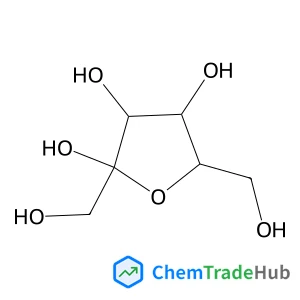
beta-D-Fructofuranose(CAS: 53188-23-1)
CAS Number
Related Products
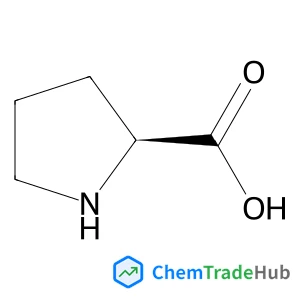
Enalapril Impurity 5
CAS Number: 147-85-3
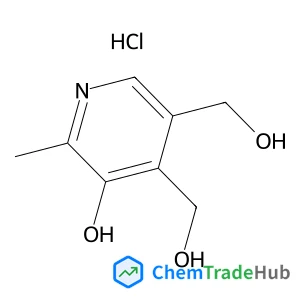
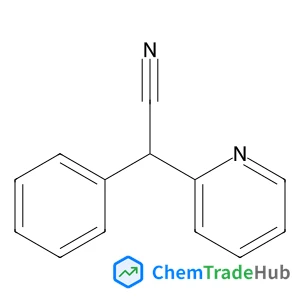
2-Phenyl-2-(pyridin-2-yl)acetonitrile
CAS Number: 9010-10-0
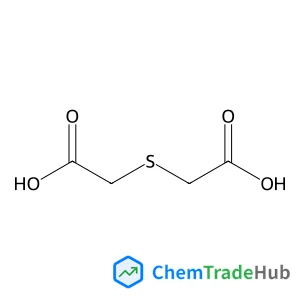
2,2'-Sulfanediyldiacetic acid
CAS Number: 123-93-3
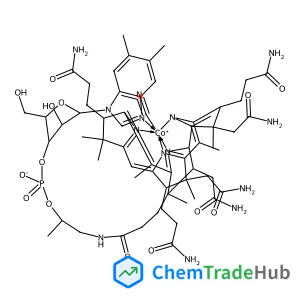
Vitamin B12
CAS Number: 68-19-9
![3-{13-Hydroxy-13-[5'-(1-hydroxyundecyl)octahydro-2,2'-bifuran-5-yl]-3-methyltridecyl}-5-methyl-2(5H)-furanone](https://static.chemtradehub.com/structs/901/9012-00-4-82ef.webp)
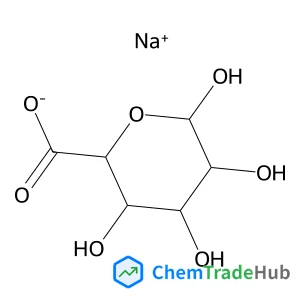
Sodium Alginate
CAS Number: 9005-38-3
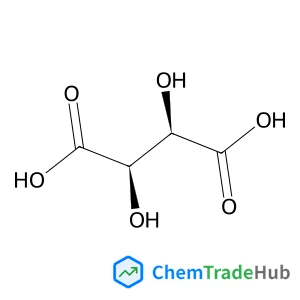
(2R,3R)-2,3-Dihydroxysuccinic acid
CAS Number: 87-69-4
![N-{[(2-Methyl-2-propanyl)oxy]carbonyl}-L-phenylalanyl-L-seryl-N~5~-(diaminomethylene)-N-(5-methyl-2-oxo-2H-chromen-7-yl)-L-ornithinamide acetate (1:1)](https://static.chemtradehub.com/structs/900/9002-07-7-d411.webp)
Other Suppliers for beta-D-Fructofuranose





Basic Information
Molecular Formula
C6H12O6
Molecular Weight
180.16 g/mol
Physical Properties
Melting Point
103°C (rough estimate)
Boiling Point
232.96°C (rough estimate)
Density
1.6000
Chemical Identifiers
SMILES
C(C1C(C(C(O1)(CO)O)O)O)O
InChIKey
RFSUNEUAIZKAJO-ARQDHWQXSA-N
Database References
MDL Number
MFCD00148910
FAQ
Beta-D-Fructofuranose (CAS: 53188-23-1) is typically considered a natural product and may not be subject to stringent regulatory requirements. However, it is important to follow Good Laboratory Practices (GLPs) and adhere to REACH regulations if it is used in industrial applications. For food and pharmaceutical purposes, FDA and EPA guidelines should be followed to ensure safety and compliance. Always consult with regulatory bodies for specific requirements.
Alternatives to beta-D-Fructofuranose (CAS: 53188-23-1) in synthesis include other fructose isomers such as D-fructose and D-xylulose. Common alternative reagents include glucose and xylose, which can be converted to fructose through various chemical transformations. The choice of alternative depends on the specific synthesis requirements and the desired end product.
The market trend for beta-D-Fructofuranose (CAS: 53188-23-1) is growing due to its increasing use in the food industry as a natural sweetener and in pharmaceuticals for its anti-diabetic properties. Research is focusing on its applications in glycobiology and as a potential therapeutic agent. The trend is expected to continue with advances in biosynthesis and biotechnology.
Waste containing beta-D-Fructofuranose (CAS: 53188-23-1) should be collected in appropriate containers and stored in a cool, dry place. Professional waste disposal services should be used for incineration or other methods to ensure environmental protection. Precautions include proper labeling of waste, avoiding contact with skin and eyes, and following local environmental regulations for hazardous waste disposal.
Safety Notice
Please verify product specifications and safety data before use. Contact the supplier for detailed safety information.
Always follow proper handling procedures
Contact Information
2450191947@qq.com