



AD
2-Chloronicotinoyl chloride(CAS: 49609-84-9)
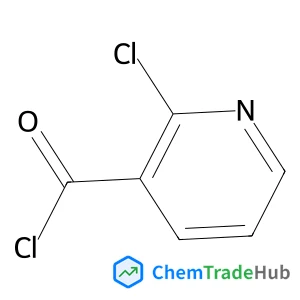
CAS Number
Related Products
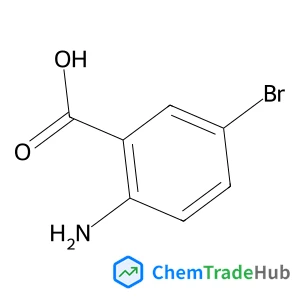
2-Amino-5-bromobenzoic acid
CAS Number: 5794-88-7
![2-(5H-Chromeno[2,3-b]pyridin-7-yl)propanoic acid](https://static.chemtradehub.com/structs/525/52549-17-4-e06c.webp)
![1-(6,11-Dihydro-5H-dibenzo[b,e]azepin-6-yl)methanamine](https://static.chemtradehub.com/structs/412/41218-84-2-28ce.webp)
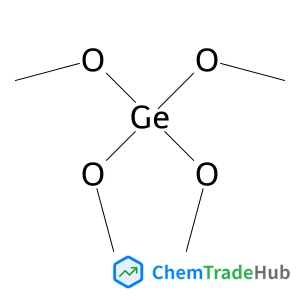
Tetramethoxygermane
CAS Number: 992-91-6
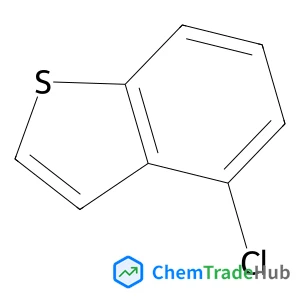
4-Chloro-1-benzothiophene
CAS Number: 66490-33-3

Nonatriacontane
CAS Number: 7194-86-7
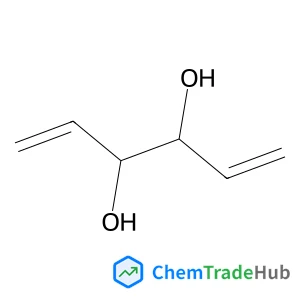
1,5-Hexadiene-3,4-diol
CAS Number: 1069-23-4
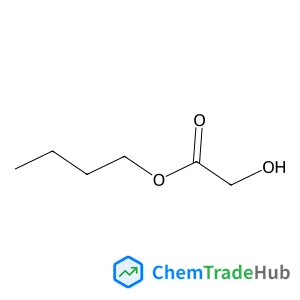
Butyl glycolate
CAS Number: 7397-62-8
Other Suppliers for 2-Chloronicotinoyl chloride




Basic Information
Molecular Formula
C6H3Cl2NO
Molecular Weight
176 g/mol
Physical Properties
Melting Point
38.0 to 42.0 deg-C
Boiling Point
120°C/10mmHg(lit.)
Chemical Identifiers
SMILES
C1=CC(=C(N=C1)Cl)C(=O)Cl
InChIKey
RXTRRIFWCJEMEL-UHFFFAOYSA-N
Database References
MDL Number
MFCD00051677
Beilstein Registry Number
119022
FAQ
2-Chloronicotinoyl chloride is a crystalline solid with a molecular weight of approximately 170.57 g/mol. It has a high solubility in organic solvents such as dichloromethane and acetone. Chemically, it is a reactive compound, showing strong electrophilic character and readily participating in nucleophilic substitution reactions. It is also known for its acidic nature, making it suitable for various synthetic transformations.
2-Chloronicotinoyl chloride is often synthesized by reacting nicotinic acid with thionyl chloride in the presence of an appropriate base, such as pyridine. This process involves the displacement of the hydroxyl group in nicotinic acid by chlorine, followed by the release of hydrogen chloride. The reaction is typically carried out in an inert organic solvent like dichloromethane under mild conditions, ensuring high yield and selectivity.
2-Chloronicotinoyl chloride finds applications in various industries, particularly in pharmaceuticals, where it serves as a valuable intermediate in the synthesis of drugs. It is also used in the production of organic polymers, where its reactivity is harnessed for chain initiation or functional group introduction. Additionally, it plays a role in the development of sensors and semiconductors due to its ability to form stable complexes with various metals.
Handling 2-Chloronicotinoyl chloride requires strict safety protocols. It should be stored in a cool, dry place away from direct sunlight and heat sources. Personal protective equipment (PPE) such as gloves, goggles, and a lab coat is essential to prevent skin and eye contact. The compound should be handled in a well-ventilated area or a fume hood to avoid inhalation of vapors. In case of a spill, immediately contain it using appropriate absorbents and follow the safety data sheet (SDS) guidelines for disposal. Emergency showers and eyewash stations should be readily accessible in the vicinity.
Safety Notice
Please verify product specifications and safety data before use. Contact the supplier for detailed safety information.
Always follow proper handling procedures

Contact Information
1208480055@qq.com
Mobile
13657291602
Fax
QQ:1098480033
Visit Website
http://www.guangaobio.com/