AD
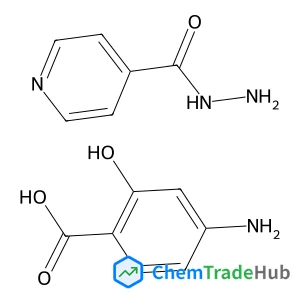
4-amino-2-hydroxybenzoic acid, pyridine-4-carbohydrazide(CAS: 2066-89-9)
CAS Number
Related Products
![(2R)-2,7,8-Trimethyl-2-[(4R,8R)-4,8,12-trimethyltridecyl]-6-chromanol](https://static.chemtradehub.com/structs/54-/54-28-4-155c.webp)
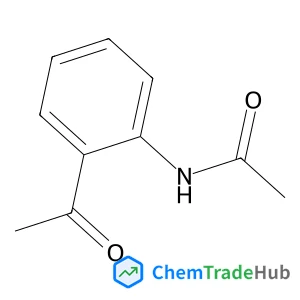
N-(2-Acetylphenyl)acetamide
CAS Number: 5234-26-4
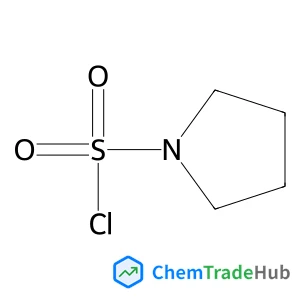
1-Pyrrolidinesulfonyl chloride
CAS Number: 1689-02-7
![3-Hexyl-2-[3-(3-hexyl-1,3-benzoxazol-2(3H)-ylidene)-1-propen-1-yl]-1,3-benzoxazol-3-ium iodide](https://static.chemtradehub.com/structs/532/53213-82-4-e483.webp)
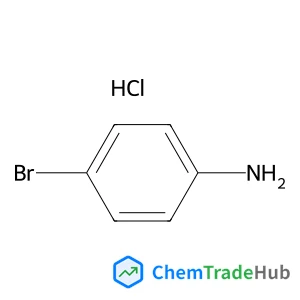
4-Bromoaniline hydrochloride (1:1)
CAS Number: 624-19-1
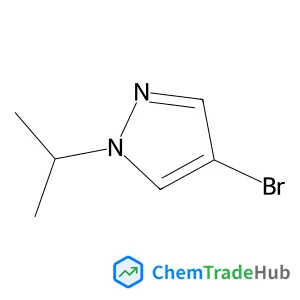
4-Bromo-1-isopropyl-1H-pyrazole
CAS Number: 313735-62-5
Other Suppliers for 4-amino-2-hydroxybenzoic acid, pyridine-4-carbohydrazide



Basic Information
Molecular Formula
C13H14N4O4
Molecular Weight
290.28 g/mol
Physical Properties
Melting Point
142-144°
Boiling Point
380.8°C at 760 mmHg
Chemical Identifiers
SMILES
C1=CC(=C(C=C1N)O)C(=O)O.C1=CN=CC=C1C(=O)NN
InChIKey
RKPHTRVPGYGVQD-UHFFFAOYSA-N
Database References
MDL Number
MFCD00079376
FAQ
4-Amino-2-hydroxybenzoic acid, pyridine-4-carbohydrazide (CAS: 2066-89-9) falls under the scope of various regulatory guidelines. It is regulated under the Globally Harmonized System of Classification and Labelling of Chemicals (GHS) for its physical hazards and health effects. Additionally, it must comply with REACH regulations in the European Union for the registration of chemical substances. In the United States, it also adheres to FDA and EPA guidelines for safe handling and disposal.
There are several alternatives to 4-amino-2-hydroxybenzoic acid, pyridine-4-carbohydrazide (CAS: 2066-89-9) that can be used in synthesis, such as related carbohydrazide derivatives or substituted benzoic acid analogs. Common alternative reagents include 2-hydroxybenzohydrazide or 5-amino-2-hydroxybenzoic acid. These alternatives can offer similar functionalities while potentially providing easier synthesis or better reactivity in specific applications.
The market for 4-amino-2-hydroxybenzoic acid, pyridine-4-carbohydrazide (CAS: 2066-89-9) shows increasing interest in its use as a key intermediate in the pharmaceutical industry, particularly in the development of antiviral and anti-inflammatory drugs. Research trends highlight its application in the synthesis of new derivatives with enhanced biological activity. Additionally, there is ongoing exploration of its environmental and safety profiles to support sustainable chemical production.
Waste containing 4-amino-2-hydroxybenzoic acid, pyridine-4-carbohydrazide (CAS: 2066-89-9) should be collected in appropriate containment to prevent environmental contamination. It is recommended to neutralize the waste before disposal to mitigate potential acid or base hazards. Incineration is a common method for disposal, provided it is conducted in an industrial incinerator with proper pollution control measures. Alternatively, professional waste disposal services can ensure compliance with local and international regulations for safe waste management.
Safety Notice
Please verify product specifications and safety data before use. Contact the supplier for detailed safety information.
Always follow proper handling procedures