



AD
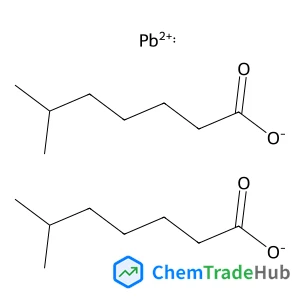
Lead(II) isooctanoate(CAS: 64504-12-7)
CAS Number
Related Products
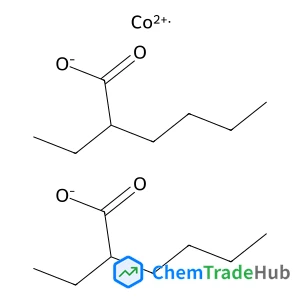
Cobalt(2+) bis(2-ethylhexanoate)
CAS Number: 136-52-7

Silicic acid
CAS Number: 14807-96-6
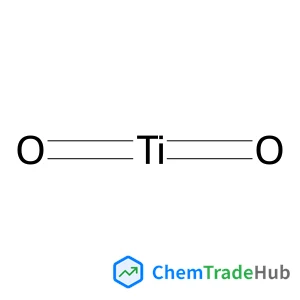
Titanium Dioxide
CAS Number: 13463-67-7
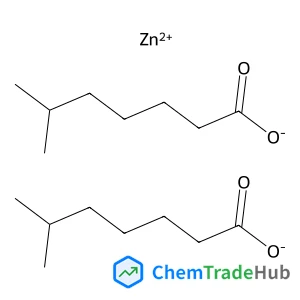
Zinc isooctanoate
CAS Number: 84082-93-9
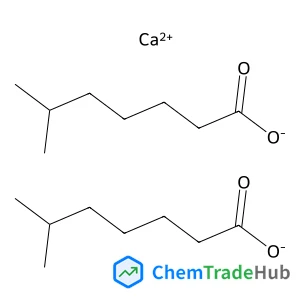
Calcium bis(6-methylheptanoate)
CAS Number: 84777-61-7

Carbon,mesopor
CAS Number: 1333-86-4
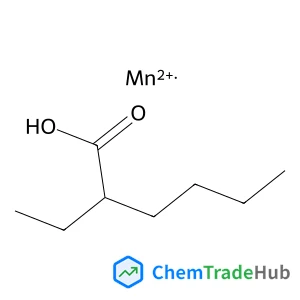
Manganese 2-ethylhexanoate
CAS Number: 15956-58-8
Polyamide
CAS Number: 63428-84-2
Other Suppliers for Lead(II) isooctanoate





Basic Information
Molecular Formula
C16H30O4Pb
Molecular Weight
493 g/mol
Chemical Identifiers
SMILES
CC(C)CCCCC(=O)[O-].CC(C)CCCCC(=O)[O-].[Pb+2]
InChIKey
DMTRWFMFBIMXBX-UHFFFAOYSA-L
Database References
FAQ
Lead(II) isooctanoate (CAS: 64504-12-7) is a crystalline compound with a molecular weight of approximately 306.27 g/mol. It has a low solubility in water but is soluble in organic solvents. Chemically, it is less reactive compared to other lead compounds, showing limited reactivity under normal conditions.
Lead(II) isooctanoate is typically synthesized by reacting lead acetate with isooctanoic acid in the presence of a suitable base. The reaction is carried out in an inert atmosphere to prevent the formation of unwanted by-products. The yield is generally high, and the product is purified by recrystallization.
Lead(II) isooctanoate (CAS: 64504-12-7) is primarily used in the catalytic industry, particularly in the synthesis of other lead compounds. It is also used as a component in some specialized coatings and as a stabilizer in certain polymer formulations.
When handling Lead(II) isooctanoate (CAS: 64504-12-7), appropriate personal protective equipment (PPE) such as gloves and lab coats should be worn at all times. Work should be conducted in a well-ventilated area or a fume hood to prevent inhalation. Spills should be cleaned up with caution using appropriate materials, and the area should be thoroughly ventilated. Safety data sheets (SDS) should always be consulted for detailed handling and disposal instructions.
Safety Notice
Please verify product specifications and safety data before use. Contact the supplier for detailed safety information.
Always follow proper handling procedures