



AD
Methyl 3,4-dihydroxy-2-methylbenzoate(CAS: 740799-82-0)

CAS Number
Related Products

(Tributylstannyl)methanol
CAS Number: 27490-33-1




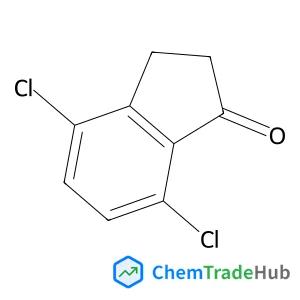
4,7-Dichloro-1-indanone
CAS Number: 52977-63-6
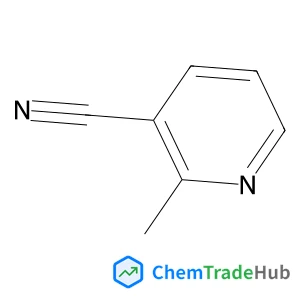
2-Methylnicotinonitrile
CAS Number: 1721-23-9

![Ethyl 5-bromo-2-({[(2-methyl-2-propanyl)oxy]carbonyl}amino)-3-thiophenecarboxylate](https://static.chemtradehub.com/structs/126/1260664-49-0-bc89.webp)
Other Suppliers for Methyl 3,4-dihydroxy-2-methylbenzoate







Basic Information
Molecular Formula
C9H10O4
Molecular Weight
182.17 g/mol
Physical Properties
Melting Point
158.0 to 163.0 deg-C
Boiling Point
344.7±37.0℃
Chemical Identifiers
SMILES
CC1=C(C=CC(=C1O)O)C(=O)OC
InChIKey
ONNFZKHTMFVKNY-UHFFFAOYSA-N
Database References
MDL Number
MFCD16250128
FAQ
Methyl 3,4-dihydroxy-2-methylbenzoate (CAS: 740799-82-0) is regulated under the Globally Harmonized System (GHS) for classification as a skin irritant. Additionally, it falls under the European Chemicals Agency (ECHA) REACH regulation requiring suppliers to provide safety data sheets (SDS) and register chemicals above a certain tonnage. The U.S. Environmental Protection Agency (EPA) and the Food and Drug Administration (FDA) also have specific guidelines concerning its handling, storage, and disposal in the industrial and medical sectors.
There are alternative reagents that can be used in the synthesis of Methyl 3,4-dihydroxy-2-methylbenzoate (CAS: 740799-82-0), such as 3,4-dihydroxybenzoic acid and methyl chloride. Other possible alternatives include isomers or analogs like 2,3-dihydroxybenzoic acid methyl ester, which may offer similar functionalities with varying reactivity and cost considerations.
The market for Methyl 3,4-dihydroxy-2-methylbenzoate (CAS: 740799-82-0) is driven by its applications in pharmaceuticals and cosmetics due to its antioxidant properties. Research trends focus on its use as a precursor in the synthesis of other compounds and its potential in developing new drug candidates. There is also growing interest in its environmental impact and sustainable production methods.
Waste containing Methyl 3,4-dihydroxy-2-methylbenzoate (CAS: 740799-82-0) should be collected in appropriate containers and stored safely to prevent spills or contamination. Incineration is a common disposal method, but professional waste disposal services should be used. Environmental protection measures include neutralizing any acidic or basic waste before disposal and complying with local regulations to ensure proper treatment and disposal of hazardous waste.
Safety Notice
Please verify product specifications and safety data before use. Contact the supplier for detailed safety information.
Always follow proper handling procedures
Contact Information
helen@struchem.com