



AD
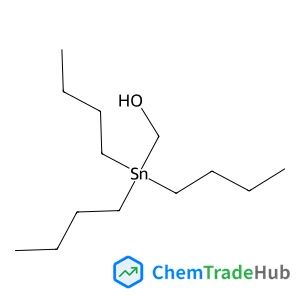
(Tributylstannyl)methanol(CAS: 27490-33-1)
CAS Number
Related Products
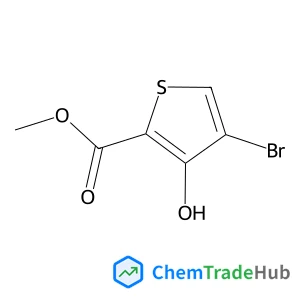
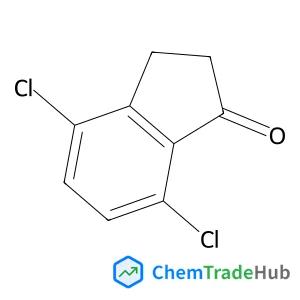
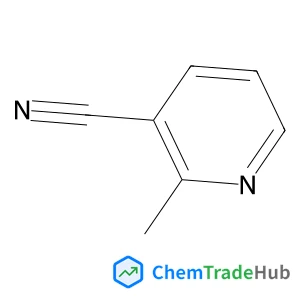
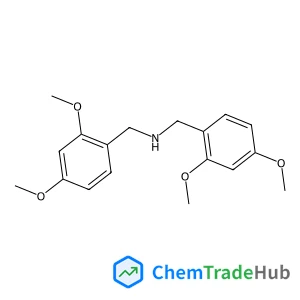
![Ethyl 5-bromo-2-({[(2-methyl-2-propanyl)oxy]carbonyl}amino)-3-thiophenecarboxylate](https://static.chemtradehub.com/structs/126/1260664-49-0-bc89.webp)
Other Suppliers for (Tributylstannyl)methanol







Basic Information
Molecular Formula
C13H30OSn
Molecular Weight
321.09 g/mol
Chemical Identifiers
SMILES
CCCC[Sn](CCCC)(CCCC)CO
InChIKey
MKBQBFPNTLPOIV-UHFFFAOYSA-N
Database References
MDL Number
MFCD03412102
FAQ
(Tributylstannyl)methanol (CAS: 27490-33-1) is classified under the Globally Harmonized System of Classification and Labelling of Chemicals (GHS) as a hazardous chemical. It is subject to the REACH regulation in the European Union, which requires registration, evaluation, authorization, and restriction of chemical substances. In the USA, the Environmental Protection Agency (EPA) and Food and Drug Administration (FDA) have specific requirements for the handling and disposal of this compound, ensuring that it meets environmental and safety standards.
Several alternatives to (Tributylstannyl)methanol (CAS: 27490-33-1) can be used in synthesis, depending on the specific requirements. Common substitutes include other stannylated alcohols, such as diisopropylstannyl methanol, or other organostannanes like butyl-tributylstannane. These alternatives offer similar reactivity but may have different handling and regulatory considerations.
The market for (Tributylstannyl)methanol (CAS: 27490-33-1) is growing due to its applications in organostannane chemistry and as a versatile reagent in organic synthesis. Research trends are focusing on its use in catalytic reactions and as a protective group in chemical synthesis. Market demand is driven by its utility in developing new materials and pharmaceuticals, with ongoing studies exploring its potential in biocompatible applications.
Waste containing (Tributylstannyl)methanol (CAS: 27490-33-1) should be collected in appropriate containers and disposed of through a professional waste disposal service. Incineration is a common method for disposal, ensuring that any residual tin compounds are completely destroyed. Environmental protection precautions include proper containment to prevent spills and the use of personal protective equipment (PPE) to protect workers. It is crucial to adhere to local and international regulations to ensure safe and compliant disposal.
Safety Notice
Please verify product specifications and safety data before use. Contact the supplier for detailed safety information.
Always follow proper handling procedures
Contact Information
helen@struchem.com