



AD
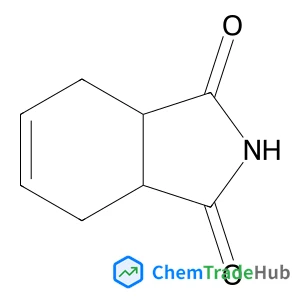
cis-1,2,3,6-Tetrahydrophthalimide(CAS: 27813-21-4)
CAS Number
Related Products
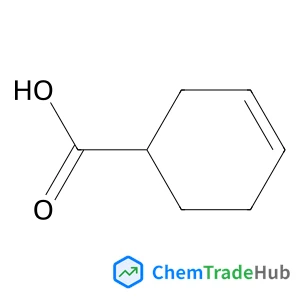
(1S)-3-Cyclohexene-1-carboxylic acid
CAS Number: 5708-19-0
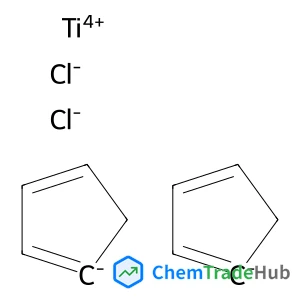
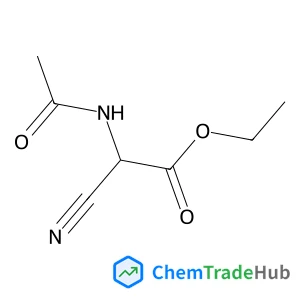
Ethyl Acetamidocyanoacetate
CAS Number: 4977-62-2
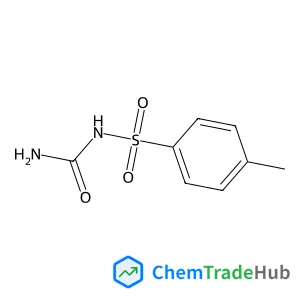
N-Carbamoyl-4-methylbenzenesulfonamide
CAS Number: 1694-06-0
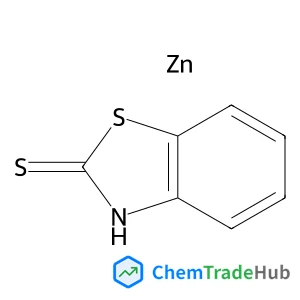
Zinc bis(1,3-benzothiazole-2-thiolate)
CAS Number: 155-04-4
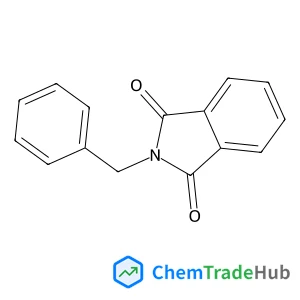
2-Benzyl-1H-isoindole-1,3(2H)-dione
CAS Number: 2142-01-0
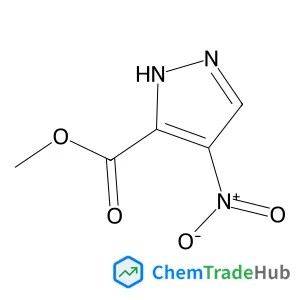
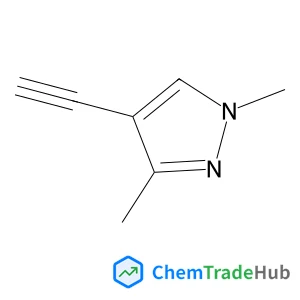
4-Ethynyl-1,3-dimethyl-1H-pyrazole
CAS Number: 61514-53-2
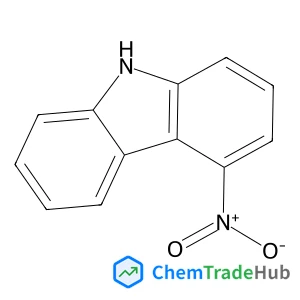
1-Nitro-9H-carbazole
CAS Number: 57905-76-7
Other Suppliers for cis-1,2,3,6-Tetrahydrophthalimide




Basic Information
Molecular Formula
C8H9NO2
Molecular Weight
151.16 g/mol
Physical Properties
Melting Point
134-138 ºC
Boiling Point
273.17°C (rough estimate)
Chemical Identifiers
SMILES
C1C=CCC2C1C(=O)NC2=O
InChIKey
CIFFBTOJCKSRJY-OLQVQODUSA-N
Database References
FAQ
cis-1,2,3,6-Tetrahydrophthalimide (CAS: 27813-21-4) is a white crystalline solid with a molecular weight of approximately 209.23 g/mol. It has a low solubility in water but is soluble in common organic solvents like ethanol and dichloromethane. Chemically, it is moderately reactive, particularly under basic conditions. It is used in organic synthesis and as a precursor in the production of various compounds.
cis-1,2,3,6-Tetrahydrophthalimide (CAS: 27813-21-4) is typically synthesized via a multi-step process involving the reduction of phthalic anhydride followed by ring opening and hydroamination reactions. The process often requires mild conditions, involving a hydrogenation catalyst like palladium on carbon. The overall yield is typically around 70-80%, with high molecular selectivity.
cis-1,2,3,6-Tetrahydrophthalimide (CAS: 27813-21-4) is used in various industries, including pharmaceuticals, where it serves as a precursor for drug synthesis. It is also utilized in the production of polymer additives and in the development of sensors and semiconductors due to its unique chemical properties.
When handling cis-1,2,3,6-Tetrahydrophthalimide (CAS: 27813-21-4), it is important to wear appropriate personal protective equipment (PPE) such as gloves, goggles, and a lab coat. Always use a fume hood to minimize exposure. Spills should be handled with care, using absorbent materials, and disposed of according to local regulations. Always consult the Safety Data Sheet (SDS) for specific handling guidelines.
Safety Notice
Please verify product specifications and safety data before use. Contact the supplier for detailed safety information.
Always follow proper handling procedures
Contact Information
jacschem@163.com