



AD
2,2'-(2,5-Dihydroxy-1,4-phenylene)diacetic acid(CAS: 5488-16-4)
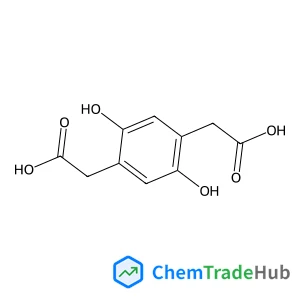
CAS Number
Related Products
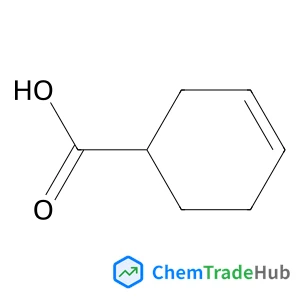
(1S)-3-Cyclohexene-1-carboxylic acid
CAS Number: 5708-19-0
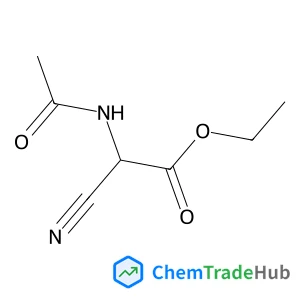
Ethyl Acetamidocyanoacetate
CAS Number: 4977-62-2
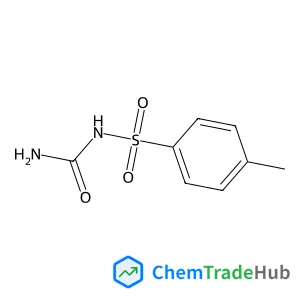
N-Carbamoyl-4-methylbenzenesulfonamide
CAS Number: 1694-06-0
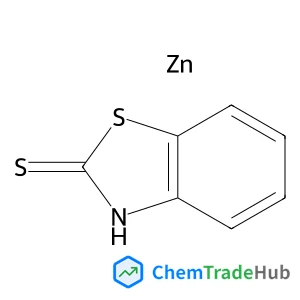
Zinc bis(1,3-benzothiazole-2-thiolate)
CAS Number: 155-04-4
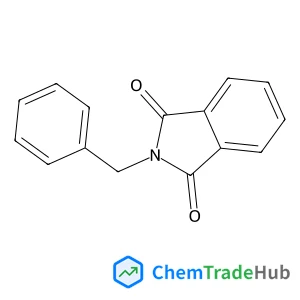
2-Benzyl-1H-isoindole-1,3(2H)-dione
CAS Number: 2142-01-0
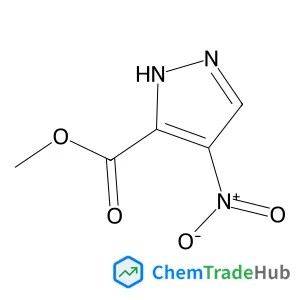
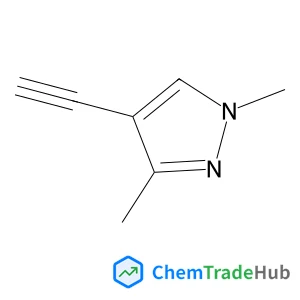
4-Ethynyl-1,3-dimethyl-1H-pyrazole
CAS Number: 61514-53-2
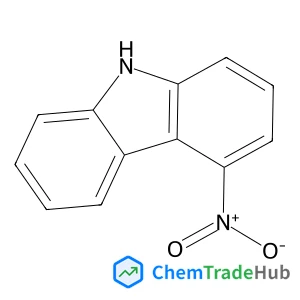
1-Nitro-9H-carbazole
CAS Number: 57905-76-7
Other Suppliers for 2,2'-(2,5-Dihydroxy-1,4-phenylene)diacetic acid





Basic Information
Molecular Formula
C10H10O6
Molecular Weight
226.18 g/mol
Physical Properties
Melting Point
281-283 °C (dec.) (lit.)
Boiling Point
327.79°C (rough estimate)
Flash Point
315.3°C
Chemical Identifiers
SMILES
C1=C(C(=CC(=C1O)CC(=O)O)O)CC(=O)O
InChIKey
MCLKERLHVBEZIW-UHFFFAOYSA-N
Database References
MDL Number
MFCD00004325
FAQ
2,2'-(2,5-Dihydroxy-1,4-phenylene)diacetic acid (CAS: 5488-16-4) must comply with the GHS classification for hazardous chemicals, REACH regulations for substances and mixtures in the European Union, and FDA/EPA guidelines for use in food and environmental applications. Proper labeling and handling procedures are required to ensure safety and regulatory compliance.
In synthesis, 2,2'-(2,5-Dihydroxy-1,4-phenylene)diacetic acid (CAS: 5488-16-4) can be replaced by other chelating agents such as ethylenediaminetetraacetic acid (EDTA) or N,N'-dihydroxyethylene-diaminetetraacetic acid (DTPA). These alternatives offer similar binding properties but may have different solubility and reactivity characteristics.
The market for 2,2'-(2,5-Dihydroxy-1,4-phenylene)diacetic acid (CAS: 5488-16-4) is growing due to its applications in pharmaceuticals, biotechnology, and analytical chemistry. Research trends include its use as a metal chelator and probe in bioanalytical assays, as well as its potential in environmental remediation applications.
Waste containing 2,2'-(2,5-Dihydroxy-1,4-phenylene)diacetic acid (CAS: 5488-16-4) should be collected in appropriate containers and disposed of through professional waste disposal services. Incineration under controlled conditions or chemical treatment methods may be necessary to ensure complete degradation and prevent environmental contamination. Proper protective measures and safety protocols should always be followed during waste handling and disposal.
Safety Notice
Please verify product specifications and safety data before use. Contact the supplier for detailed safety information.
Always follow proper handling procedures
Contact Information
jacschem@163.com