



AD
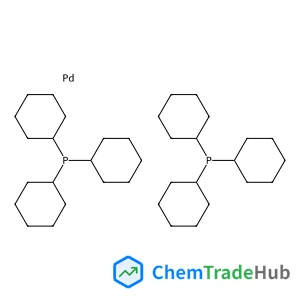
Palladium - tricyclohexylphosphine (1:2)(CAS: 33309-88-5)
CAS Number
Related Products
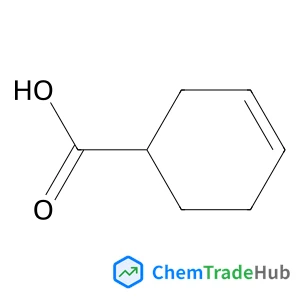
(1S)-3-Cyclohexene-1-carboxylic acid
CAS Number: 5708-19-0
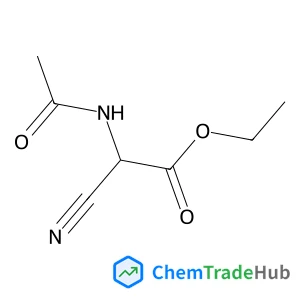
Ethyl Acetamidocyanoacetate
CAS Number: 4977-62-2
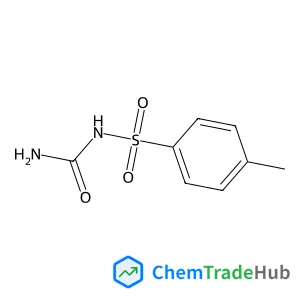
N-Carbamoyl-4-methylbenzenesulfonamide
CAS Number: 1694-06-0
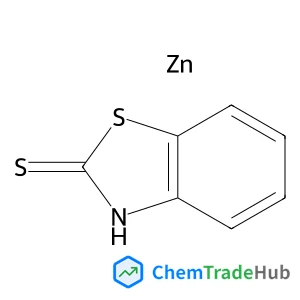
Zinc bis(1,3-benzothiazole-2-thiolate)
CAS Number: 155-04-4
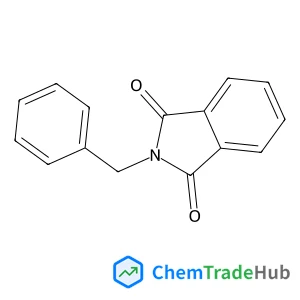
2-Benzyl-1H-isoindole-1,3(2H)-dione
CAS Number: 2142-01-0
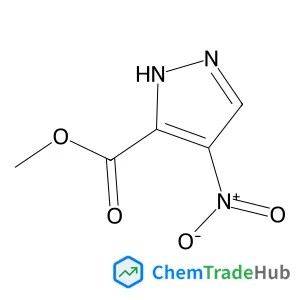
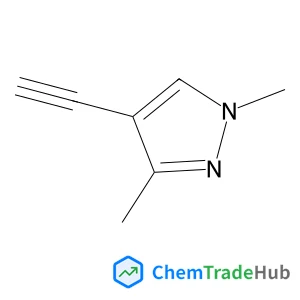
4-Ethynyl-1,3-dimethyl-1H-pyrazole
CAS Number: 61514-53-2
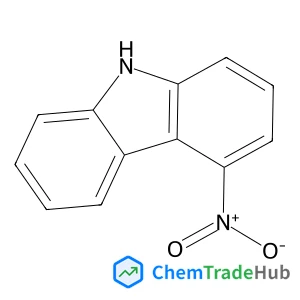
1-Nitro-9H-carbazole
CAS Number: 57905-76-7
Other Suppliers for Palladium - tricyclohexylphosphine (1:2)




Basic Information
Molecular Formula
C36H66P2Pd
Molecular Weight
667.29 g/mol
Physical Properties
Melting Point
87-92 °C
Boiling Point
No data available
Chemical Identifiers
SMILES
C1CCC(CC1)P(C2CCCCC2)C3CCCCC3.C1CCC(CC1)P(C2CCCCC2)C3CCCCC3.[Pd]
InChIKey
JGBZTJWQMWZVNX-UHFFFAOYSA-N
Database References
MDL Number
MFCD01073796
FAQ
Palladium - tricyclohexylphosphine (1:2) (CAS: 33309-88-5) should comply with GHS classification, REACH regulations, and FDA/EPA requirements. It is classified as a hazardous substance due to its reactivity and flammability. In the EU, it is registered under REACH and may have specific reporting requirements. Regulatory guidelines also cover proper handling, storage, and disposal to ensure worker safety and environmental protection.
Alternative reagents to Palladium - tricyclohexylphosphine (1:2) (CAS: 33309-88-5) include other phosphine ligands such as triphenylphosphine, diisobutylphosphine, or other palladacycles. These alternatives vary in reactivity and may offer different selectivity in synthesis, though Palladium - tricyclohexylphosphine (1:2) is widely used for its broad applicability in catalytic reactions.
What is the market or research trend for Palladium - tricyclohexylphosphine (1:2) (CAS: 33309-88-5)?
The market for Palladium - tricyclohexylphosphine (1:2) (CAS: 33309-88-5) is driven by its demand in catalytic cross-coupling reactions, particularly in organic synthesis and pharmaceutical industries. Research trends focus on developing more efficient and environmentally friendly alternatives. Recent studies explore the use of recyclable ligands and the optimization of catalytic systems to reduce waste and improve sustainability.
Waste containing Palladium - tricyclohexylphosphine (1:2) (CAS: 33309-88-5) should be collected in proper containers and stored in a well-ventilated area. Incineration or professional waste disposal services should be utilized to ensure safe removal. Environmental protection measures include minimizing exposure and adhering to local hazardous waste regulations. Proper disposal is crucial to prevent environmental contamination and ensure safety during transport and treatment.
Safety Notice
Please verify product specifications and safety data before use. Contact the supplier for detailed safety information.
Always follow proper handling procedures
Contact Information
jacschem@163.com