



AD
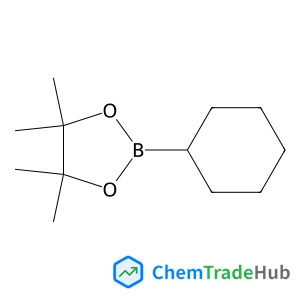
2-Cyclohexyl-4,4,5,5-tetramethyl-1,3,2-dioxaborolane(CAS: 87100-15-0)
CAS Number
Related Products
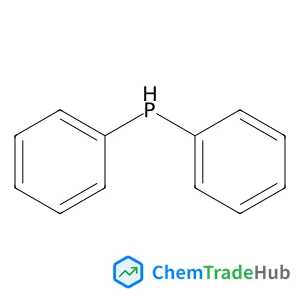
Diphenylphosphine
CAS Number: 829-85-6
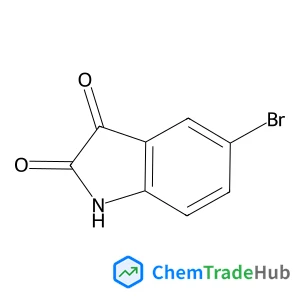
5-Bromo-1H-indole-2,3-dione
CAS Number: 87-48-9
![1-[2-(2,4-Dichlorophenyl)-2-{[4-(phenylsulfanyl)benzyl]oxy}ethyl]-1H-imidazol-1-ium nitrate](https://static.chemtradehub.com/structs/731/73151-29-8-a5d9.webp)
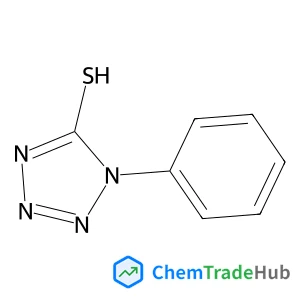
1-Phenyl-1H-tetrazole-5-thiol
CAS Number: 86-93-1
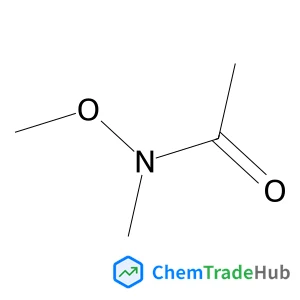
N-Methoxy-N-methylacetamide
CAS Number: 78191-00-1
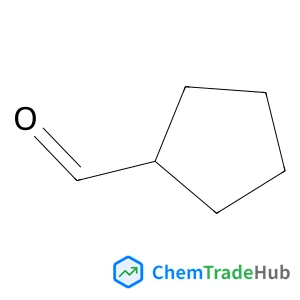
Cyclopentanecarbaldehyde
CAS Number: 872-53-7
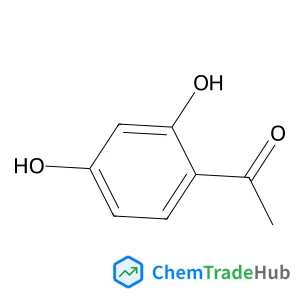
1-(2,4-Dihydroxyphenyl)ethanone
CAS Number: 89-84-9
![N~2~-[(9H-Fluoren-9-ylmethoxy)carbonyl]-N~5~-{N-[(4-methylphenyl)sulfonyl]carbamimidoyl}-L-ornithine](https://static.chemtradehub.com/structs/837/83792-47-6-aad9.webp)
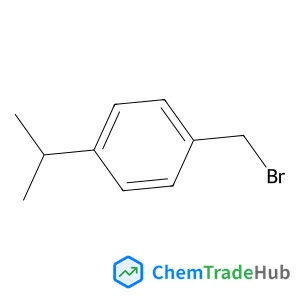
1-(Bromomethyl)-4-isopropylbenzene
CAS Number: 73789-86-3
Other Suppliers for 2-Cyclohexyl-4,4,5,5-tetramethyl-1,3,2-dioxaborolane



Basic Information
Molecular Formula
C12H23BO2
Molecular Weight
210.13 g/mol
Physical State
No data available
Physical Properties
Melting Point
No data available
Boiling Point
244.7℃ at 760 mmHg
Density
0.93
Flash Point
94.1±25.4 °C
Chemical Identifiers
SMILES
CC1(C)OB(OC1(C)C)C2CCCCC2
InChIKey
OUEVCDGYTKLNMJ-UHFFFAOYSA-N
Database References
MDL Number
MFCD04038749
FAQ
2-Cyclohexyl-4,4,5,5-tetramethyl-1,3,2-dioxaborolane (CAS: 87100-15-0) falls under the scope of GHS (Globally Harmonized System of Classification and Labeling of Chemicals) and is classified as a flammable liquid. Regulatory guidelines include REACH (Registration, Evaluation, Authorization, and Restriction of Chemicals) for EU manufacturers and importers, as well as FDA and EPA requirements for cosmetic and pharmaceutical applications. Companies must comply with local and national laws regarding handling, storage, and disposal.
Yes, there are alternatives to 2-Cyclohexyl-4,4,5,5-tetramethyl-1,3,2-dioxaborolane (CAS: 87100-15-0) in synthesis, such as 1,3-bis(diphenylphosphino)propane, tris(dibenzylideneacetone)dipalladium(0), and 1,1'-bis(diphenylphosphino)ferrocene. These can offer similar reactivity in catalytic cross-coupling reactions, providing flexibility in chemical synthesis for organic chemists.
The market for 2-Cyclohexyl-4,4,5,5-tetramethyl-1,3,2-dioxaborolane (CAS: 87100-15-0) is growing due to its applications in organic synthesis, particularly in C-C bond formation. Research trends are focusing on developing more efficient and scalable methods for its production and utilization in drug discovery and materials science. Emerging interest in sustainable and绿色发展也在推动这一化合物的研究。
Waste containing 2-Cyclohexyl-4,4,5,5-tetramethyl-1,3,2-dioxaborolane (CAS: 87100-15-0) should be collected in appropriate containers and disposed of through professional waste disposal services. Incineration is a common method, but ensuring compliance with local regulations is essential. Environmental protection measures include proper containment to prevent leakage and regular monitoring to ensure no adverse effects on the environment. It is crucial to follow all local guidelines and regulations for safe disposal.
Safety Notice
Please verify product specifications and safety data before use. Contact the supplier for detailed safety information.
Always follow proper handling procedures
Contact Information
Contact Person
Mr. Qi
ndchem@163.com