



AD
Cyclopentyl(2-fluorophenyl)methanone(CAS: 111982-45-7)
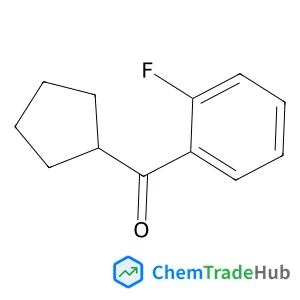
CAS Number
Related Products
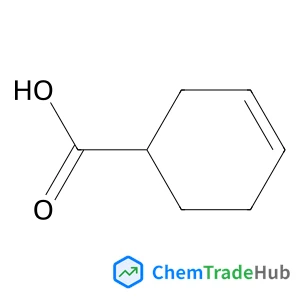
(1S)-3-Cyclohexene-1-carboxylic acid
CAS Number: 5708-19-0
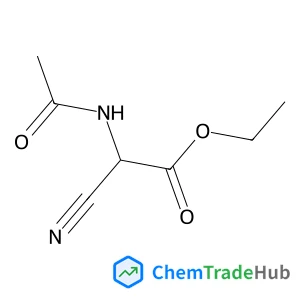
Ethyl Acetamidocyanoacetate
CAS Number: 4977-62-2
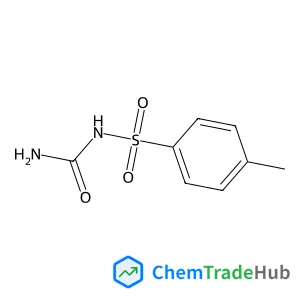
N-Carbamoyl-4-methylbenzenesulfonamide
CAS Number: 1694-06-0
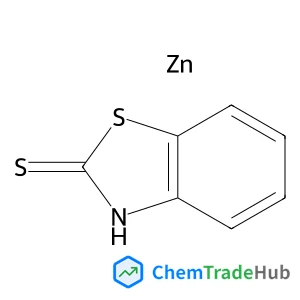
Zinc bis(1,3-benzothiazole-2-thiolate)
CAS Number: 155-04-4
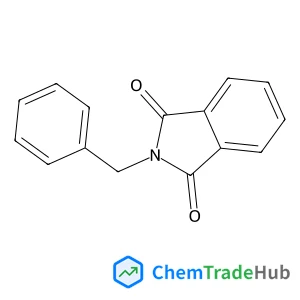
2-Benzyl-1H-isoindole-1,3(2H)-dione
CAS Number: 2142-01-0
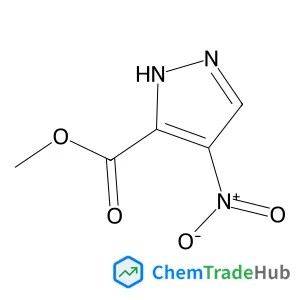
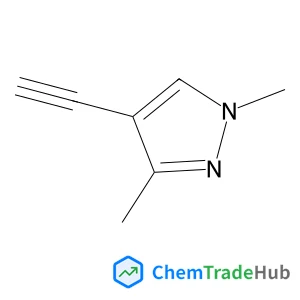
4-Ethynyl-1,3-dimethyl-1H-pyrazole
CAS Number: 61514-53-2
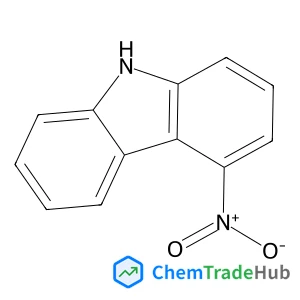
1-Nitro-9H-carbazole
CAS Number: 57905-76-7
Other Suppliers for Cyclopentyl(2-fluorophenyl)methanone






Basic Information
Molecular Formula
C12H13FO
Molecular Weight
192.23 g/mol
Chemical Identifiers
SMILES
C1CCC(C1)C(=O)C2=CC=CC=C2F
InChIKey
SAVZOQLBNNRMNY-UHFFFAOYSA-N
Database References
MDL Number
MFCD03841320
FAQ
Cyclopentyl(2-fluorophenyl)methanone (CAS: 111982-45-7) must comply with REACH regulations for substances and mixtures in the European Union. It should also adhere to GHS classification for hazardous chemicals, including storage, transport, and use. Additionally, the FDA and EPA may have specific requirements for handling and disposal, particularly for any potential toxic or reactive properties.
Yes, there are alternative reagents and compounds that can be used as substitutes in synthesis processes. For example, similar ketones such as benzyl(2-fluorophenyl)methanone or cyclohexyl(2-fluorophenyl)methanone can serve as functional equivalents. Additionally, other fluoro-substituted ketones might be suitable depending on the specific application.
Cyclopentyl(2-fluorophenyl)methanone (CAS: 111982-45-7) is experiencing steady demand in research and pharmaceutical sectors due to its unique structural properties. Market trends indicate increasing interest in its potential use as a synthetic intermediate. Emerging research focuses on its application in drug discovery and material science, particularly in the development of new fluorinated compounds.
Waste containing cyclopentyl(2-fluorophenyl)methanone (CAS: 111982-45-7) should be collected and disposed of according to local regulations, often requiring professional waste disposal services. Incineration is a common method, but it must be conducted in an approved facility. Environmental protection measures include ensuring complete combustion and minimal release of pollutants. Proper containment and handling are crucial to prevent environmental contamination and ensure safety.
Safety Notice
Please verify product specifications and safety data before use. Contact the supplier for detailed safety information.
Always follow proper handling procedures
Contact Information
jacschem@163.com