



AD
Diphenyl Phthalate(CAS: 84-62-8)
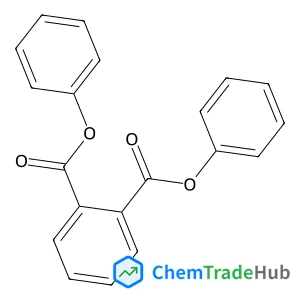
CAS Number
Related Products
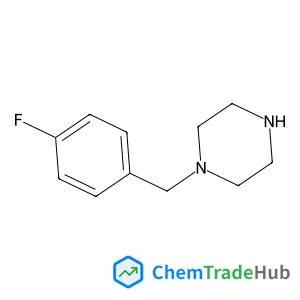
1-(4-Fluorobenzyl)piperazine
CAS Number: 70931-28-1
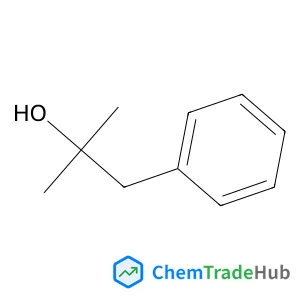
2-Methyl-1-Phenyl-2-Propanol
CAS Number: 100-86-7
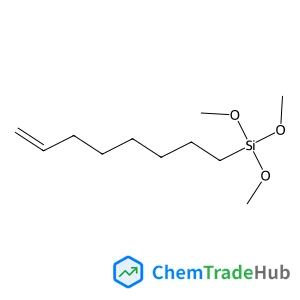
Trimethoxy(7-octen-1-yl)silane
CAS Number: 52217-57-9
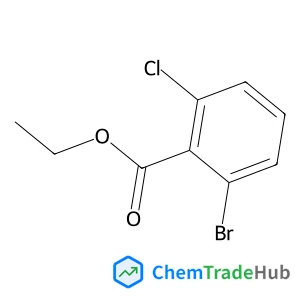
Ethyl 2-bromo-6-chlorobenzoate
CAS Number: 933672-18-5
![Hydrogen [hydroxy(oxo)silyl]silicate](https://static.chemtradehub.com/structs/148/14808-60-7-ed6a.webp)
Hydrogen [hydroxy(oxo)silyl]silicate
CAS Number: 14808-60-7
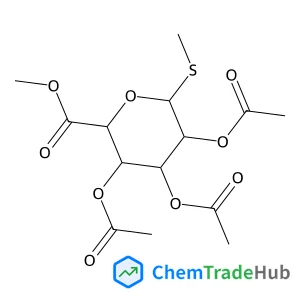
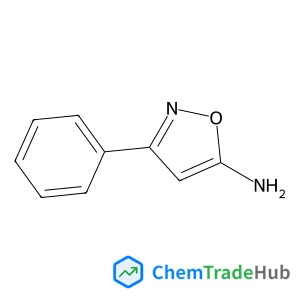
3-Phenyl-1,2-oxazol-5-amine
CAS Number: 4369-55-5
Other Suppliers for Diphenyl Phthalate





Basic Information
Molecular Formula
C20H14O4
Molecular Weight
318.33 g/mol
Physical Properties
Melting Point
72.0 to 76.0 deg-C
Boiling Point
257°C/14mmHg(lit.)
Density
1.242±0.06 g/cm3 (20 ºC 760 Torr),
Flash Point
224°C
Chemical Identifiers
SMILES
O=C(Oc1ccccc1)c2ccccc2C(=O)Oc3ccccc3
InChIKey
DWNAQMUDCDVSLT-UHFFFAOYSA-N
Database References
MDL Number
MFCD00003038
Beilstein Registry Number
2473390
FAQ
Diphenyl phthalate (CAS: 84-62-8) is subject to various regulatory guidelines including REACH in the EU, which requires manufacturers and importers to register substances if they are manufactured or imported in quantities exceeding one tonne per year. In the USA, the Environmental Protection Agency (EPA) monitors the use and disposal of this compound under the Toxic Substances Control Act (TSCA). Additionally, the compound falls under the Globally Harmonized System of Classification and Labelling of Chemicals (GHS) for classification and labeling purposes.
Yes, there are alternatives to diphenyl phthalate in synthesis. Common substitutes include other phthalate esters like diethyl phthalate (DEP) and diisononyl phthalate (DINP), as well as non-phthalate plasticizers such as adipates and citrates. These alternatives are often chosen for their lower toxicity and better environmental compatibility.
The market for diphenyl phthalate (CAS: 84-62-8) is experiencing a shift towards more sustainable and less toxic alternatives due to increasing environmental concerns and regulatory pressures. Research trends are focusing on developing safer plasticizers and other compounds that can replace phthalates in various applications, including in pharmaceuticals, agrochemicals, and industrial lubricants.
Waste containing diphenyl phthalate (CAS: 84-62-8) should be handled in accordance with local and national regulations. Typically, this involves collecting the waste in appropriate containers, ensuring proper labeling, and then disposing of it through a professional waste disposal service that specializes in hazardous chemicals. Incineration under controlled conditions is also a common method for disposing of such waste, but it must be done in an environmentally responsible manner to minimize emissions and environmental impact.
Safety Notice
Please verify product specifications and safety data before use. Contact the supplier for detailed safety information.
Always follow proper handling procedures
Contact Information
Contact Person
Aladdin
market@aladdin-e.com