



AD
2-Hexyloxirane(CAS: 2984-50-1)
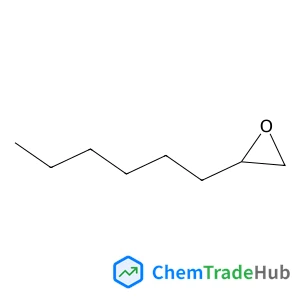
CAS Number
Related Products
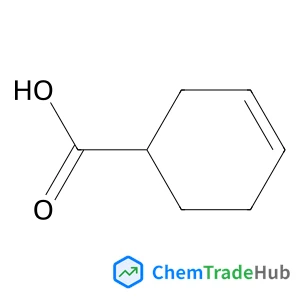
(1S)-3-Cyclohexene-1-carboxylic acid
CAS Number: 5708-19-0
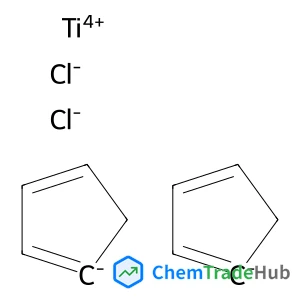
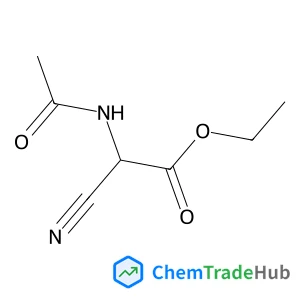
Ethyl Acetamidocyanoacetate
CAS Number: 4977-62-2
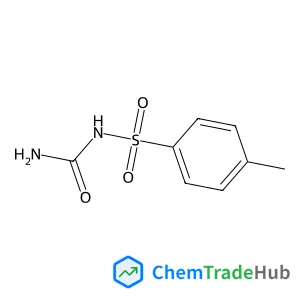
N-Carbamoyl-4-methylbenzenesulfonamide
CAS Number: 1694-06-0
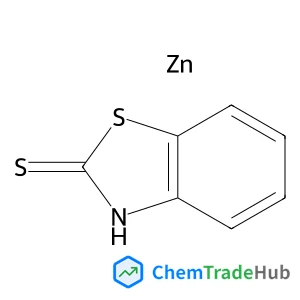
Zinc bis(1,3-benzothiazole-2-thiolate)
CAS Number: 155-04-4
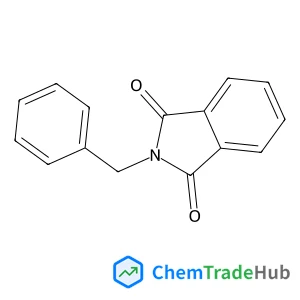
2-Benzyl-1H-isoindole-1,3(2H)-dione
CAS Number: 2142-01-0
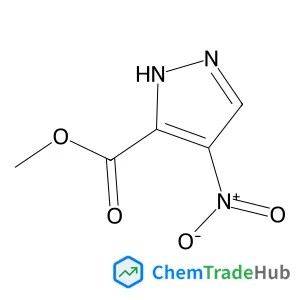
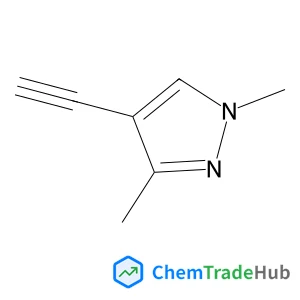
4-Ethynyl-1,3-dimethyl-1H-pyrazole
CAS Number: 61514-53-2
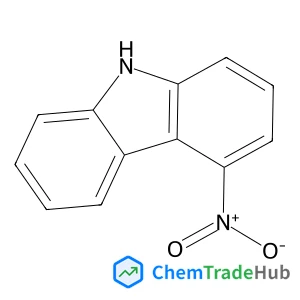
1-Nitro-9H-carbazole
CAS Number: 57905-76-7
Other Suppliers for 2-Hexyloxirane





Basic Information
Molecular Formula
C8H16O
Molecular Weight
128.22 g/mol
Physical Properties
Boiling Point
167°C(lit.)
Water Solubility
Slightly soluble in water.
Chemical Identifiers
SMILES
CCCCCCC1CO1
InChIKey
NJWSNNWLBMSXQR-UHFFFAOYSA-N
Database References
MDL Number
MFCD00005157
Beilstein Registry Number
79912
FAQ
2-Hexyloxirane is a colorless liquid with a slight odor. It has a molecular weight of approximately 118.18 g/mol. The compound is slightly soluble in water but miscible with common organic solvents. It is reactive towards nucleophiles and can undergo ring-opening reactions. 2-Hexyloxirane is stable under normal conditions but can polymerize on exposure to heat or light.
2-Hexyloxirane can be synthesized through a ring-opening reaction of 6-hydroxyhexa-1,3-diol catalyzed by an acid or base. The reaction involves the opening of a cyclic ether to form the corresponding oxirane ring. The yield and selectivity can be controlled by the choice of catalyst and reaction conditions.
2-Hexyloxirane is primarily used in the pharmaceutical industry for the synthesis of certain drugs. It is also used in the polymer industry as a monomer for the preparation of specific polymers. Additionally, it finds applications in the sensor and semiconductor industries due to its ability to form stable complexes with metal ions.
When handling 2-Hexyloxirane, appropriate personal protective equipment (PPE) such as chemical-resistant gloves, safety goggles, and a lab coat should be worn. The substance should be stored in a cool, dry place away from heat and light. Spills should be cleaned up using appropriate absorbent materials and disposed of according to local regulations. Always refer to the Safety Data Sheet (SDS) for specific handling and emergency procedures.
Safety Notice
Please verify product specifications and safety data before use. Contact the supplier for detailed safety information.
Always follow proper handling procedures
Contact Information
jacschem@163.com