



AD
Dibromo(difluoro)methane(CAS: 75-61-6)

CAS Number
Related Products

(1S)-3-Cyclohexene-1-carboxylic acid
CAS Number: 5708-19-0
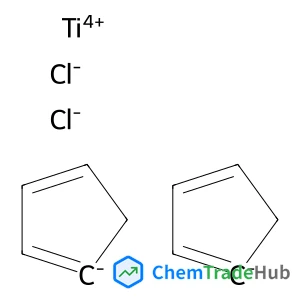

Ethyl Acetamidocyanoacetate
CAS Number: 4977-62-2

N-Carbamoyl-4-methylbenzenesulfonamide
CAS Number: 1694-06-0
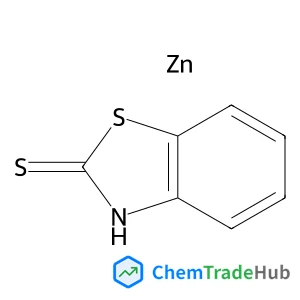
Zinc bis(1,3-benzothiazole-2-thiolate)
CAS Number: 155-04-4
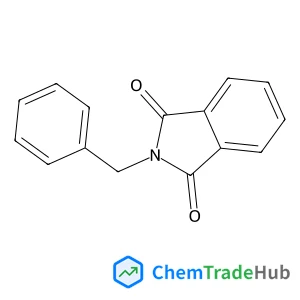
2-Benzyl-1H-isoindole-1,3(2H)-dione
CAS Number: 2142-01-0

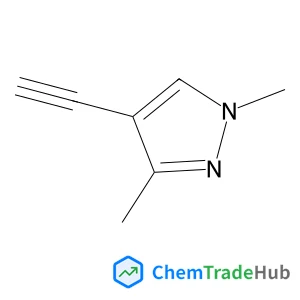
4-Ethynyl-1,3-dimethyl-1H-pyrazole
CAS Number: 61514-53-2

1-Nitro-9H-carbazole
CAS Number: 57905-76-7
Other Suppliers for Dibromo(difluoro)methane





Basic Information
Molecular Formula
CBr2F2
Molecular Weight
209.82 g/mol
Physical Properties
Melting Point
−142-−141 °C (lit.)
Boiling Point
22-23 °C(lit.)
Density
2.297 g/mL at 25 °C(lit.)
Flash Point
None
Chemical Identifiers
SMILES
C(F)(F)(Br)Br
InChIKey
AZSZCFSOHXEJQE-UHFFFAOYSA-N
Database References
MDL Number
MFCD00000367
FAQ
Dibromo(difluoro)methane (CAS: 75-61-6) is regulated under the Globally Harmonized System of Classification and Labeling of Chemicals (GHS) and falls under the Classification: Category 1 for flammable liquids. It is also subject to the REACH regulations in the EU, which require manufacturers and importers to register the substance with the European Chemicals Agency (ECHA). FDA and EPA have specific requirements for its handling, storage, and disposal in the United States, including proper labeling and documentation.
There are alternative reagents and compounds that can be used in synthesis as substitutes for Dibromo(difluoro)methane (CAS: 75-61-6). For example, difluoromethane can be brominated using other brominating agents, or other fluoroalkanes with different halogen substitutions can be used. Isomers like 1,1-dibromo-2,2-difluoroethane may also be considered depending on the specific reaction conditions and desired product.
The market for Dibromo(difluoro)methane (CAS: 75-61-6) is currently stable, with ongoing research focusing on its use in flame retardants and as a precursor in the synthesis of other brominated compounds. Recent trends include exploring the compound's role in environmental applications, such as its use in the development of flame-resistant materials for consumer goods and industrial equipment. Research is also investigating its potential in the pharmaceutical industry, particularly in the synthesis of certain drugs and intermediates.
Waste containing Dibromo(difluoro)methane (CAS: 75-61-6) should be collected in appropriate containers and stored in a well-ventilated area. Incineration is a common method of disposal, but this must be done in an industrial incinerator with proper emission control systems. Alternatively, professional waste disposal services can handle the waste, ensuring compliance with local and national regulations. Environmental protection measures should include proper containment to prevent leaks, and the use of personal protective equipment (PPE) during handling and disposal.
Safety Notice
Please verify product specifications and safety data before use. Contact the supplier for detailed safety information.
Always follow proper handling procedures
Contact Information
jacschem@163.com