



AD
(4-Phenoxyphenyl)acetic acid(CAS: 6328-74-1)
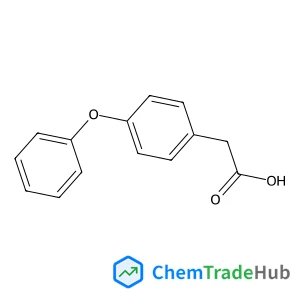
CAS Number
Related Products
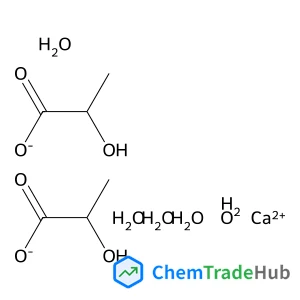
Calcium Lactate Pentahydrate
CAS Number: 5743-47-5
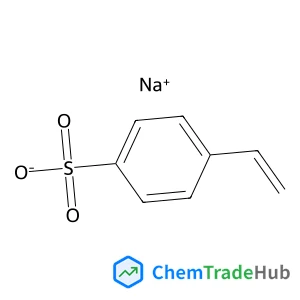
Sodium 4-vinylbenzenesulfonate
CAS Number: 2695-37-6
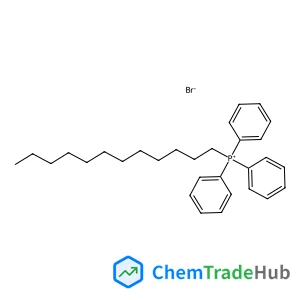
Dodecyl(triphenyl)phosphonium bromide
CAS Number: 15510-55-1
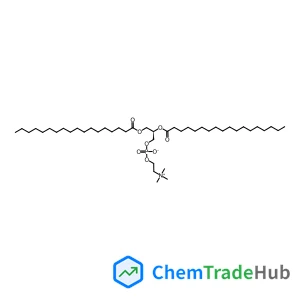
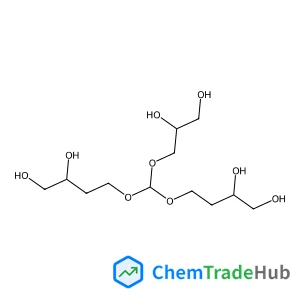
Poly(Propylene Glycol)
CAS Number: 25791-96-2
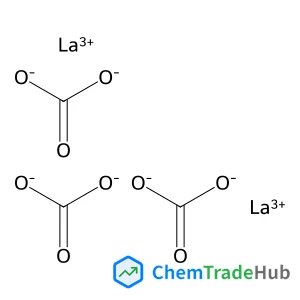
LANTHANUM CARBONATE
CAS Number: 587-26-8
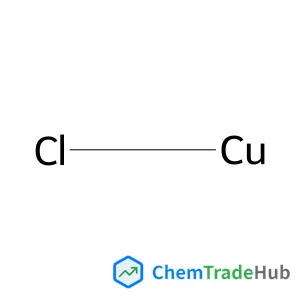
Copper(1+) chloride
CAS Number: 1344-67-8
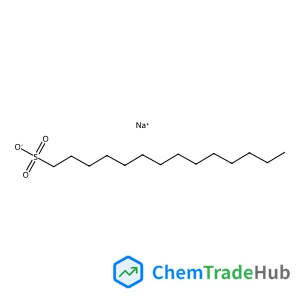
Sodium 1-tetradecanesulfonate
CAS Number: 6994-45-2
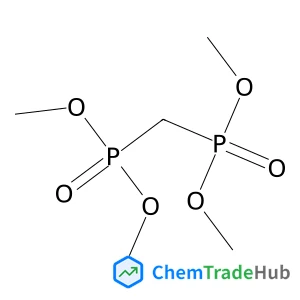
Tetramethyl methylenebis(phosphonate)
CAS Number: 16001-93-7
Other Suppliers for (4-Phenoxyphenyl)acetic acid






Basic Information
Molecular Formula
C14H12O3
Molecular Weight
228.25 g/mol
Physical State
White to Yellow Solid
Physical Properties
Melting Point
72-79 °C
Boiling Point
382 ºC
Density
1.217
Flash Point
146 ºC
Chemical Identifiers
SMILES
C1=CC=C(C=C1)OC2=CC=C(C=C2)CC(=O)O
InChIKey
VARVNFDGRLLTCI-UHFFFAOYSA-N
Database References
MDL Number
MFCD00079779
FAQ
The regulatory guidelines for (4-Phenoxyphenyl)acetic acid (CAS: 6328-74-1) include GHS classification as a skin and eye irritant, REACH regulations for registration, evaluation, authorization, and restriction of chemicals, and FDA/EPA requirements for safety and environmental compliance. These guidelines ensure safe handling, storage, and disposal of the compound in various applications.
Alternatives to (4-Phenoxyphenyl)acetic acid in synthesis include similar aromatic acids like 2-phenoxybenzoic acid and 4-ethoxybenzoic acid, as well as other functionalized derivatives. These alternatives can offer similar properties or improved reactivity in specific reaction conditions, making them suitable for various synthesis routes.
The market trend for (4-Phenoxyphenyl)acetic acid (CAS: 6328-74-1) shows steady growth due to its applications in pharmaceuticals, agrochemicals, and personal care products. Research trends focus on exploring its potential in developing new drugs and improving existing formulations, driven by its unique physicochemical properties and biological activities.
Waste containing (4-Phenoxyphenyl)acetic acid (CAS: 6328-74-1) should be collected in appropriate containers and disposed of through professional waste disposal services. Environmental precautions include ensuring no spillage and proper containment to prevent contamination. Incineration at an authorized facility or chemical recycling processes are recommended for safe and sustainable disposal.
Safety Notice
Please verify product specifications and safety data before use. Contact the supplier for detailed safety information.
Always follow proper handling procedures
Contact Information
Contact Person
Manager Shi
1373640151@qq.com