



AD
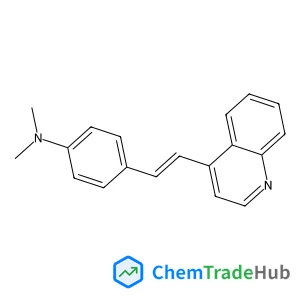
4-(4-Dimethylaminostyryl)quinoline(CAS: 897-55-2)
CAS Number
Related Products
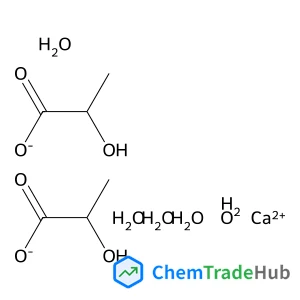
Calcium Lactate Pentahydrate
CAS Number: 5743-47-5
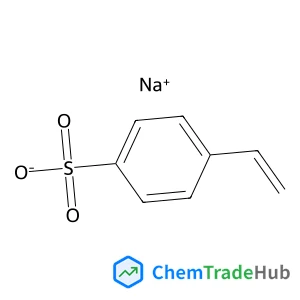
Sodium 4-vinylbenzenesulfonate
CAS Number: 2695-37-6
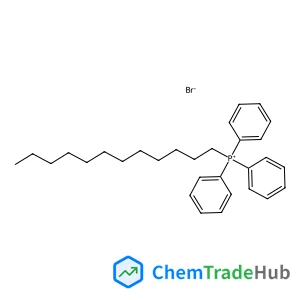
Dodecyl(triphenyl)phosphonium bromide
CAS Number: 15510-55-1
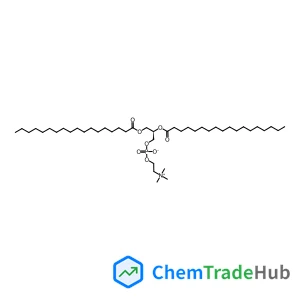
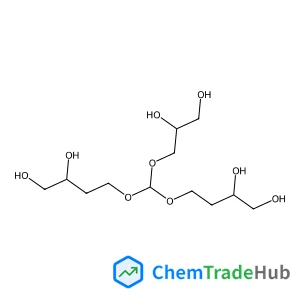
Poly(Propylene Glycol)
CAS Number: 25791-96-2
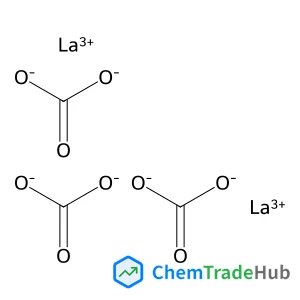
LANTHANUM CARBONATE
CAS Number: 587-26-8
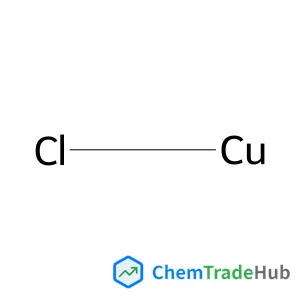
Copper(1+) chloride
CAS Number: 1344-67-8
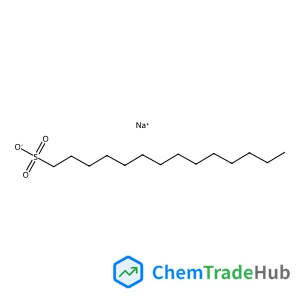
Sodium 1-tetradecanesulfonate
CAS Number: 6994-45-2
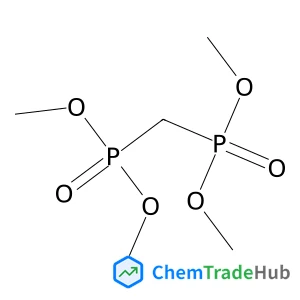
Tetramethyl methylenebis(phosphonate)
CAS Number: 16001-93-7
Other Suppliers for 4-(4-Dimethylaminostyryl)quinoline





Basic Information
Molecular Formula
C19H18N2
Molecular Weight
274.37 g/mol
Physical Properties
Melting Point
138.0 to 142.0 deg-C
Boiling Point
407.35°C (rough estimate)
Density
0.9899 (rough estimate)
Flash Point
232.5°C
Chemical Identifiers
SMILES
CN(C)C1=CC=C(C=C1)C=CC2=CC=NC3=CC=CC=C23
InChIKey
CIXDQQGMRYRUQA-UHFFFAOYSA-N
Database References
MDL Number
MFCD00191349
FAQ
4-(4-Dimethylaminostyryl)quinoline (CAS: 897-55-2) is subject to various regulatory guidelines including the Globally Harmonized System of Classification and Labeling of Chemicals (GHS), EU REACH regulations, and FDA/EPA requirements. Manufacturers and handlers must comply with GHS for proper labeling and safety data sheets. REACH regulations mandate that suppliers provide material safety data sheets (MSDS) and register chemicals if they are manufactured or imported in quantities above 1 ton per year. FDA and EPA regulations cover the handling, use, and disposal of the compound to ensure it does not pose a risk to public health or the environment.
In the synthesis of 4-(4-Dimethylaminostyryl)quinoline (CAS: 897-55-2), there are several alternatives that can be used as substitutes. For instance, other quinoline derivatives or aromatic amines can be explored. Common alternative reagents include benzaldehyde, anilines, and various aromatic aldehydes. Researchers might also consider using different coupling agents or modifying the reaction conditions to achieve similar results with less toxicity or environmental impact.
The market for 4-(4-Dimethylaminostyryl)quinoline (CAS: 897-55-2) is driven by its applications in pharmaceuticals and materials science. Research trends indicate a growing interest in its use as a potential antiviral agent and in organic electronics. Market demand is expected to rise as more studies validate its efficacy and explore new applications. The trend also reflects a focus on developing more sustainable and less toxic alternatives, which could influence future research and commercialization efforts.
Waste containing 4-(4-Dimethylaminostyryl)quinoline (CAS: 897-55-2) should be handled with care to minimize environmental impact. Collection and disposal should follow local regulations and best practices. Waste liquid should be collected in appropriate containers and stored in a controlled environment to prevent leakage. Incineration can be an effective method for disposal, but it must be conducted in an approved facility to ensure compliance with air quality standards. Professional waste disposal services are recommended to handle the waste safely and legally. Environmental protection precautions, such as proper personal protective equipment and waste labeling, are essential to protect workers and the environment.
Safety Notice
Please verify product specifications and safety data before use. Contact the supplier for detailed safety information.
Always follow proper handling procedures
Contact Information
Contact Person
Manager Shi
1373640151@qq.com