



AD
Lithium acetylacetonate(CAS: 19185-99-0)
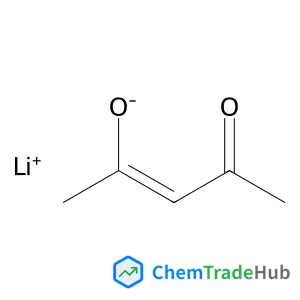
CAS Number
Related Products
![2-Chloro-10-[3-(4-methyl-1-piperazinyl)propyl]-10H-phenothiazine](https://static.chemtradehub.com/structs/58-/58-38-8-9a44.webp)
![(2S)-2-Amino-4-[(2-methyl-2-propanyl)oxy]-4-oxobutanoic acid](https://static.chemtradehub.com/structs/305/3057-74-7-60dc.webp)
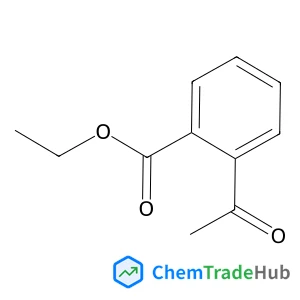
Ethyl 2-acetylbenzoate
CAS Number: 103935-10-0
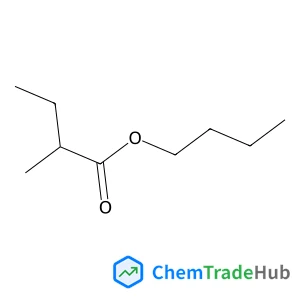
Butanoic acid, 2-methyl-, butyl ester
CAS Number: 15706-73-7
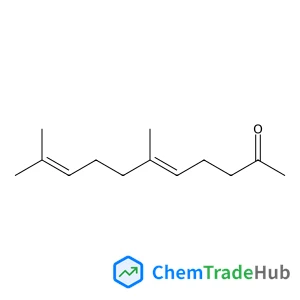
6,10-Dimethyl-5,9-undecadien-2-one
CAS Number: 689-67-8
Sodium chloride
CAS Number: 7647-14-5
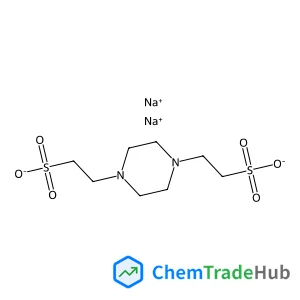
Other Suppliers for Lithium acetylacetonate



Basic Information
Molecular Formula
C5H7LiO2
Molecular Weight
106.1 g/mol
Physical Properties
Melting Point
250 °C (dec.)(lit.)
Chemical Identifiers
SMILES
[Li+].CC(=CC(=O)C)[O-]
InChIKey
JTEOOCAGEXVCBQ-LNKPDPKZSA-M
Database References
MDL Number
MFCD00013496
FAQ
Lithium acetylacetonate (CAS: 19185-99-0) falls under the regulation of the Globally Harmonized System of Classification and Labelling of Chemicals (GHS), which includes hazard communication and classification. It is also regulated under REACH in the European Union, which requires registration of substances above a certain tonnage. In the USA, it is subject to the EPA’s regulations on hazardous waste, and the FDA may regulate its use in specific applications such as pharmaceuticals.
There are several alternatives to Lithium acetylacetonate (CAS: 19185-99-0) in synthesis, including other lithium-based reagents such as lithium tris(2-cyanoethyl)acetonate (LTA) and lithium tris(2-pyridylmethyl)acetonate (LTA). These alternatives can serve similar roles in ligand-based catalysts and organometallic compounds.
Lithium acetylacetonate (CAS: 19185-99-0) is increasingly being explored in the research and development of new materials and catalysts. Market trends indicate a growing interest in its use in electrochemical applications and as a stabilizer in lithium-based compounds. Research is also focusing on its potential in organic synthesis and as a precursor in the synthesis of other lithium-containing materials.
Waste containing Lithium acetylacetonate (CAS: 19185-99-0) should be collected in appropriate containers and disposed of through professional waste disposal services. Incineration is a common method, but it must be done under controlled conditions to prevent environmental contamination. Environmental protection measures include proper containment to prevent leakage and ensuring that the waste is managed in accordance with local, national, and international regulations.
Safety Notice
Please verify product specifications and safety data before use. Contact the supplier for detailed safety information.
Always follow proper handling procedures
Contact Information
Contact Person
Hu Gebing
2369399482@qq.com