



AD
2,3-Octanedione(CAS: 585-25-1)
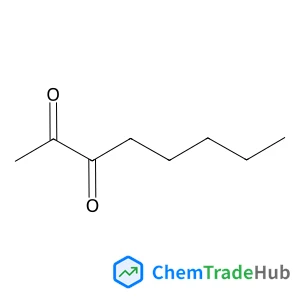
CAS Number
Related Products
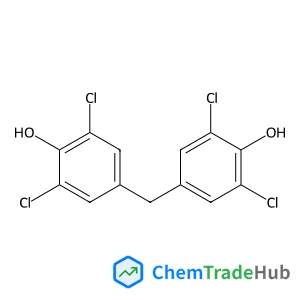
Tetrachloro-BPF
CAS Number: 3933-88-8
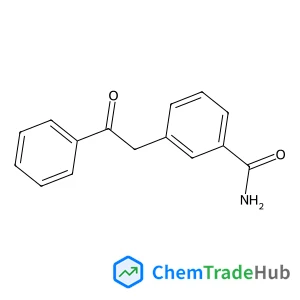
3-(2-Oxo-2-phenylethyl)benzamide
CAS Number: 465514-78-7
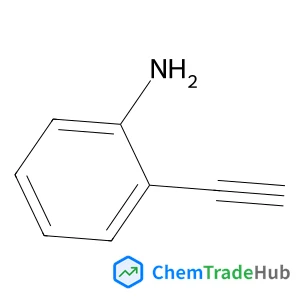
2-ethynylaniline
CAS Number: 52670-38-9
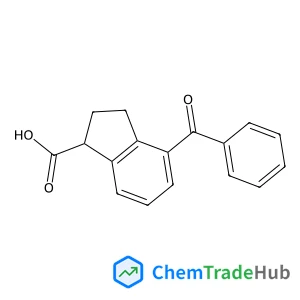
4-Benzoyl-1-indanecarboxylic acid
CAS Number: 56461-33-7
![N-(4-{[(2-Amino-4-oxo-1,4,5,6,7,8-hexahydropyrido[3,2-d]pyrimidin-6-yl)methyl]amino}benzoyl)-L-glutamic acid](https://static.chemtradehub.com/structs/519/51989-29-8-63d5.webp)
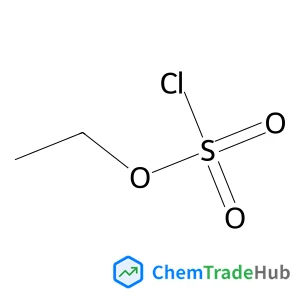
Ethyl sulfurochloridate
CAS Number: 625-01-4

Articaine-014
CAS Number: 23964-64-9
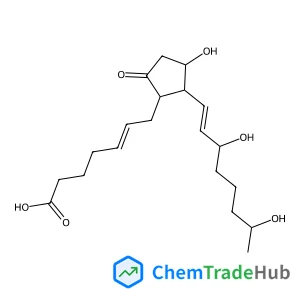
15(R)-19(R)-Hydroxy prostaglandin E2
CAS Number: 54142-29-9
Other Suppliers for 2,3-Octanedione




Basic Information
Molecular Formula
C8H14O2
Molecular Weight
142.2 g/mol
Physical Properties
Boiling Point
173°C at 760 mmHg
Density
0.918
Flash Point
56.5°C
Chemical Identifiers
SMILES
CCCCCC(=O)C(C)=O
InChIKey
XCBBNTFYSLADTO-UHFFFAOYSA-N
Database References
MDL Number
MFCD06796191
FAQ
2,3-Octanedione (CAS: 585-25-1) is a colorless, crystalline solid with a molecular weight of approximately 120.19 g/mol. It has a solubility of up to 70 g/L in water and is highly soluble in common organic solvents like ethanol and acetone. The compound is relatively stable under normal conditions but can undergo spontaneous decomposition when exposed to heat or light. It is reactive towards nucleophiles and is often used in organic synthesis due to its electrophilic character.
2,3-Octanedione can be synthesized through the oxidation of 2,3-octanediol or by the Wittig reaction using phosphoranes. The Wittig reaction, for instance, involves the reaction of 1-octen-3-yl phosphorane with aldehydes, producing 2,3-octanedione in good yield. Catalysts like palladium or platinum can enhance the reaction selectivity and yield. The method chosen depends on the availability of reactants and desired purity of the product.
2,3-Octanedione (CAS: 585-25-1) is used in various industries. It is a key intermediate in the production of perfumes and fragrances due to its pleasant odor. In the pharmaceutical industry, it is utilized as a precursor for the synthesis of drugs. Additionally, it is used in the polymer industry for the preparation of coatings and adhesives. In the food industry, it contributes to the flavor profile of certain products. It is also employed in the production of sensors and semiconductors for its specific chemical properties.
When handling 2,3-Octanedione (CAS: 585-25-1), it is essential to wear appropriate personal protective equipment (PPE) such as gloves and safety glasses. It should be stored in a cool, dry, and well-ventilated area away from sources of heat and light. Fume hoods should be used during preparation and handling to minimize inhalation exposure. In case of a spill, it should be managed according to the Material Safety Data Sheet (MSDS) guidelines. Emergency showers and eye wash stations should be readily accessible. Always refer to the latest SDS for detailed safety information.
Safety Notice
Please verify product specifications and safety data before use. Contact the supplier for detailed safety information.
Always follow proper handling procedures
Contact Information
Contact Person
Xiao Zhang
2012558459@qq.com