



AD
7 APCA(CAS: 120709-09-3)
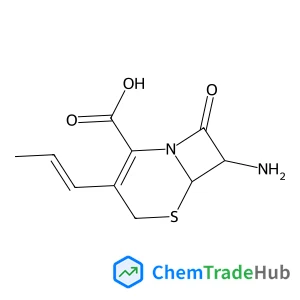
CAS Number
Related Products
![2-Chloro-10-[3-(4-methyl-1-piperazinyl)propyl]-10H-phenothiazine](https://static.chemtradehub.com/structs/58-/58-38-8-9a44.webp)
![(2S)-2-Amino-4-[(2-methyl-2-propanyl)oxy]-4-oxobutanoic acid](https://static.chemtradehub.com/structs/305/3057-74-7-60dc.webp)
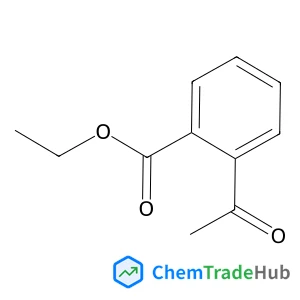
Ethyl 2-acetylbenzoate
CAS Number: 103935-10-0
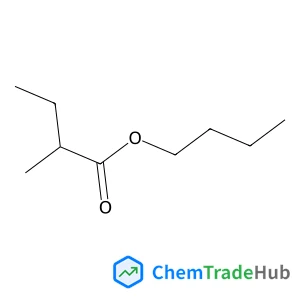
Butanoic acid, 2-methyl-, butyl ester
CAS Number: 15706-73-7
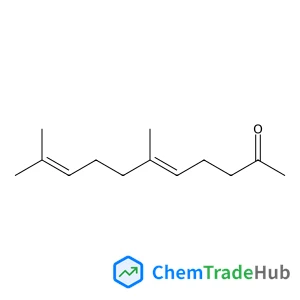
6,10-Dimethyl-5,9-undecadien-2-one
CAS Number: 689-67-8
Sodium chloride
CAS Number: 7647-14-5
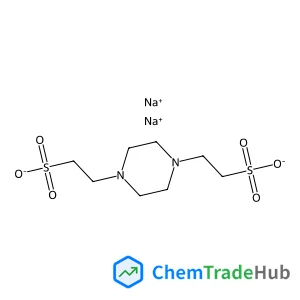
Other Suppliers for 7 APCA

Basic Information
Molecular Formula
C10H12N2O3S
Molecular Weight
240.28 g/mol
Chemical Identifiers
SMILES
CC=CC1=C(N2C(C(C2=O)N)SC1)C(=O)O
InChIKey
ZYLDQHILNOZKIF-DHLUJLSBSA-N
Database References
MDL Number
MFCD08458212
FAQ
The 7 APCA (CAS: 120709-09-3) is regulated under the Globally Harmonized System (GHS) and classified as a hazardous substance due to its reactivity and flammability. In the European Union, it falls under REACH regulations, which require notification to the European Chemicals Agency (ECHA) and may be subject to authorization if it poses a risk. The FDA and EPA also have specific guidelines for the handling and disposal of this compound in the context of pharmaceuticals and environmental protection.
There are several alternatives to 7 APCA (CAS: 120709-09-3) in synthesis, such as 6 APCA and 8 APCA, which are structurally similar and can serve as reagents in similar reactions. Other substitutes include using more stable analogs like 7-ACA or alternative intermediates like 7-DAB, which can offer similar functionality with potentially better handling properties.
The market for 7 APCA (CAS: 120709-09-3) is growing due to its use as an intermediate in the synthesis of certain antibiotics. Research trends are focused on developing more efficient and sustainable synthesis methods to reduce the environmental impact and improve the yield of the final product. Additionally, there is increasing interest in exploring its use in novel applications, such as in organic chemistry and material science.
Waste containing 7 APCA (CAS: 120709-09-3) should be handled according to safety guidelines for hazardous chemicals. Collect waste in appropriate containers and ensure proper labeling. Incineration or professional waste disposal facilities should be used for disposal. Environmental protection measures include ensuring that the waste does not contaminate water sources and that proper protective equipment is worn during handling. Compliance with local environmental regulations is essential.
Safety Notice
Please verify product specifications and safety data before use. Contact the supplier for detailed safety information.
Always follow proper handling procedures
Contact Information
Contact Person
Hu Gebing
2369399482@qq.com